

















A major solar energy programme in rural China has managed to boost local incomes while also significantly improving air quality, according to new research published in the journal Nature Portfolio.
The study examined China’s Photovoltaic Poverty Alleviation Program (PPAP), a government-backed initiative designed to tackle poverty and energy inequality by helping low-income households generate electricity through small-scale solar power installations.
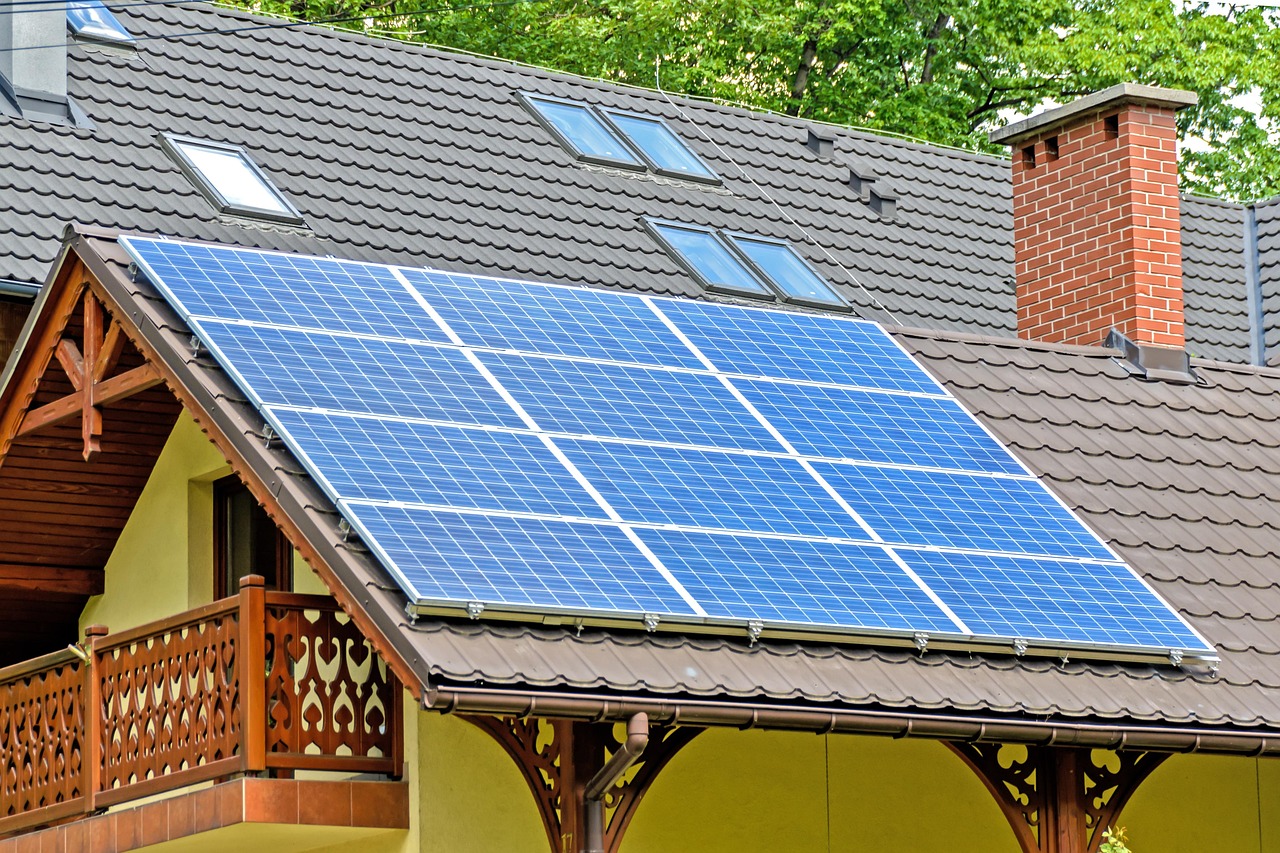
China launched the programme in 2014 as part of a wider anti-poverty strategy, installing solar panels on rooftops and unused land in poorer rural regions. Households were able to use some of the electricity themselves while selling surplus power back to the national grid for additional income. By 2017, the programme had expanded to 236 counties with thousands of village-level solar stations in operation.
The researchers found that counties participating in the programme saw gross domestic product rise by around 3%, while sulphur dioxide (SO₂) pollution fell by more than 4μg/m³ between 2010 and 2020.
The team analysed 832 impoverished counties across China, 236 of which were in the solar poverty alleviation programme. Using satellite pollution monitoring and county-level economic data, the team concluded that the scheme delivered substantial environmental as well as financial benefits.
Researchers said the reductions in air pollution were particularly important because many rural households had previously depended on coal and crop burning for heating and cooking, contributing to severe air quality problems. The study found that solar power reduced reliance on fossil fuels while also encouraging cleaner household energy use.
The environmental improvements were especially noticeable in heavily industrialised areas. Counties with larger secondary industries recorded nearly double the reduction in SO2 emissions compared with less industrial regions. The researchers said the increased availability of solar electricity allowed factories to cut their dependence on coal-fired energy and invest more in cleaner technologies.
The study also highlighted wider public health implications. According to the researchers, long-term exposure to pollutants such as SO₂ and nitrogen dioxide is linked to respiratory illnesses including asthma, while cleaner energy sources can significantly improve health outcomes in low-income communities.
Despite the positive results, researchers warned the long-term sustainability of the scheme could depend on continued government support and improvements to funding models, as falling solar subsidies and maintenance costs may threaten profitability in future years.
That said, the study concludes that targeted solar programmes could offer a blueprint for tackling poverty and pollution simultaneously, particularly in developing regions struggling with energy access and poor air quality.
Photo: AS_Photography
Leave a Reply