











A thick, toxic cloud hangs over Tehran following US and Israeli airstrikes on Iranian oil facilities, with residents reporting ‘unbreathable’ air, widespread illness and black, oily rain that experts warn is more dangerous than acid rain.
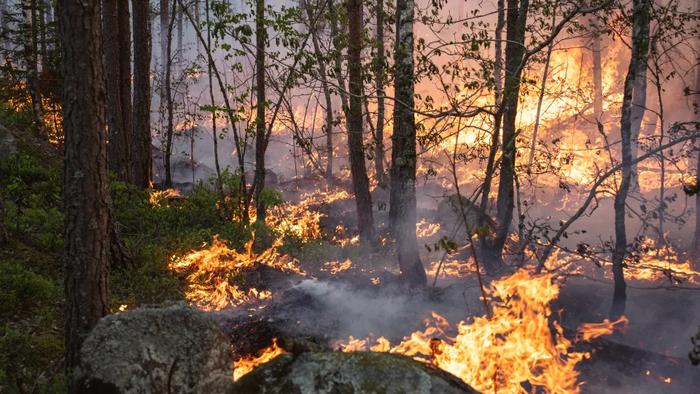
On March 8th, four fuel depots in and around the Iranian capital were hit by airstrikes. The resulting fires have released a toxic cocktail of pollutants into the atmosphere, blanketing the city of nearly 10 million people in thick black smoke and triggering a public health emergency.
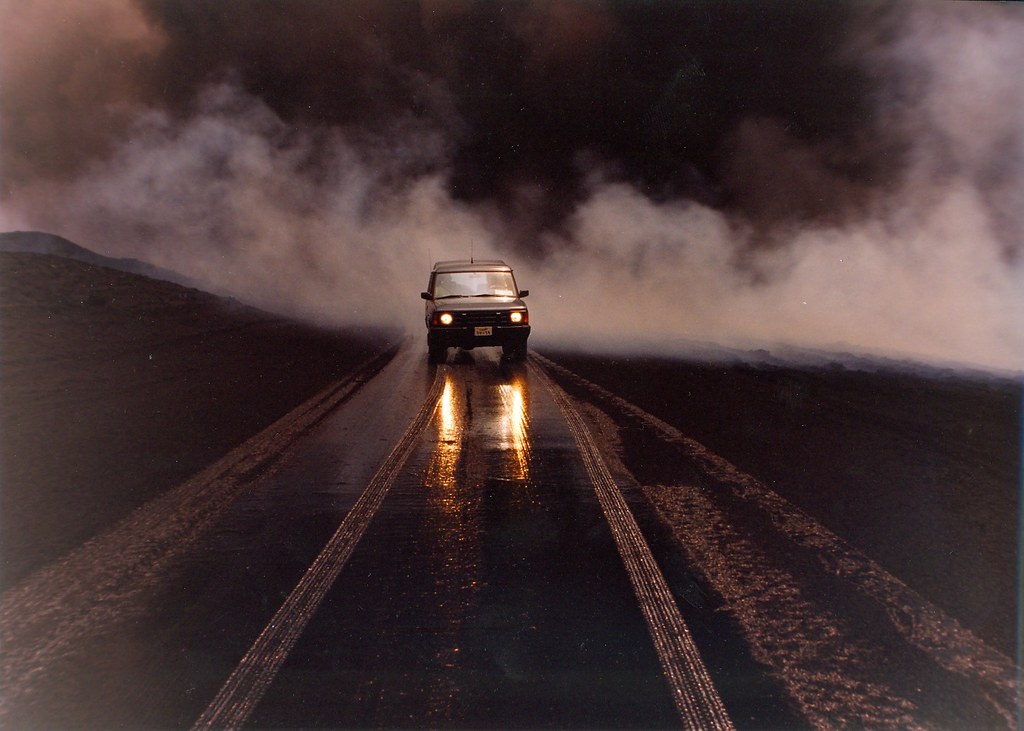
Iran’s Deputy Health Minister Alireza Raisi reported that over 170,000 people have sought emergency care in just one week for heart and respiratory problems linked to the pollution, a 20-25% rise above normal levels. He warned of a ‘serious and widespread public health crisis’.
Th fires are exacerbating a pre-existing problem. More than 59,000 Iranian are thought to have died last year from pollution-related diseases, costing the health system an estimated $17 billion.
Leila, a 27-year-old teacher in Tehran, told TIME: ‘Something like a black monster has swallowed the sky over Tehran. It’s as if all the cars and the street pavement have been coated in black paint.
‘Today I was in the car for just 15 minutes, breathing this air. I don’t even know what it is, and now I have a headache. The skin on my face, especially my lips, is sore and raw. It burns and feels like diluted tear gas is in the air. It irritates my eyes, and I keep needing to clear my throat.’
CNN’s Fred Pleitgen reported from the capital: ‘You can see that the rain, the rainwater is actually black – also saturated, it appears, with oil. So that’s what’s coming down this morning, this oil-filled rain that we have right now on the Iranian capital, after the strikes took place.’
The Iranian Red Crescent has warned that the rainfall could be ‘highly dangerous and acidic,’ with a pH potentially as low as 4.0. The rain is likely to contain a variety of toxic pollutants, including hydrocarbons, carcinogenic polycyclic aromatic hydrocarbons (PAHs), sulfur dioxide and nitrogen oxides. These can cause chemical skin burns and severe lung damage.
The environmental fallout is also spreading beyond Iran’s borders. In Pakisatan, which boarders Iran to the east, the Meteorological Department today issued a warning that winds could carry air pollution into western Pakistan, deteriorating air quality in the region .
Library photo: Samira Akil Zaman
Leave a Reply