













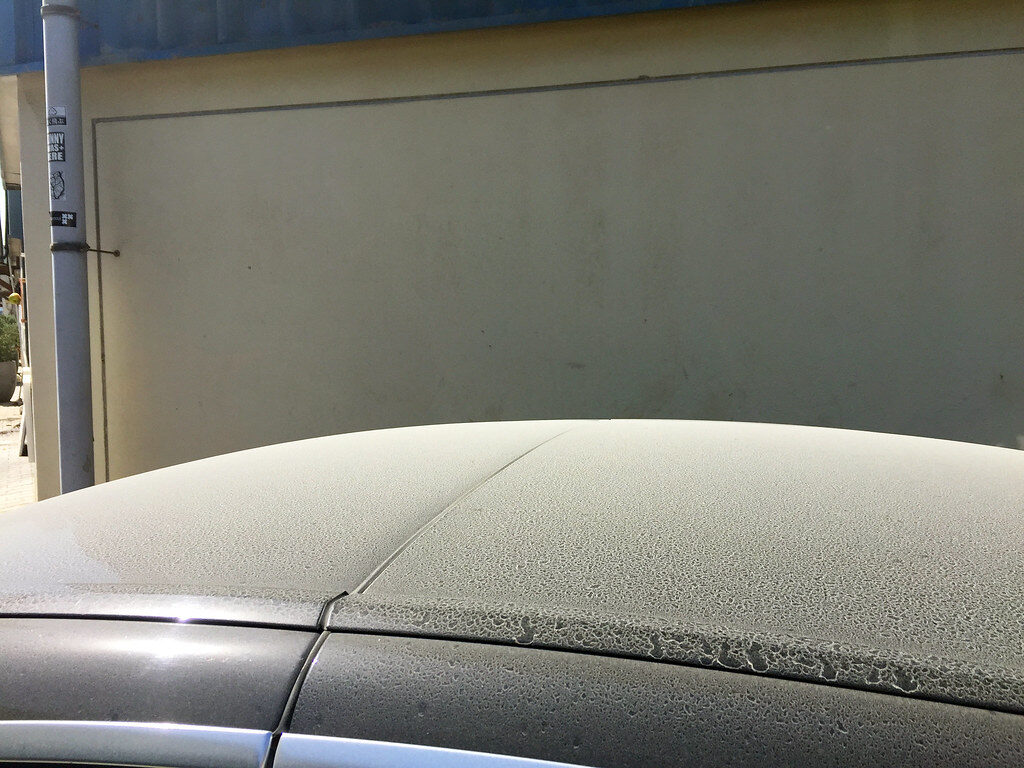





Long-term exposure to fine air pollution could be eroding a crucial part of the brain responsible for storing facts, words and general knowledge, according to new research.
The study found that people exposed to higher levels of PM2.5 performed worse on tests of semantic memory. This type of memory functions as the brain’s internal encyclopedia, helping people recall information ranging from vocabulary and historical facts to everyday knowledge accumulated over a lifetime.

The researchers, from UC Davis Health and Kaiser Permanente, analysed data from 740 adults aged 53 to 94 who were participating in the Kaiser Permanente Study of Healthy Aging in African Americans (STAR), an ongoing project examining factors that influence brain health in later life. Using residential address histories, the team estimated participants’ exposure to PM2.5 over periods of five, 10 and 17 years and compared those levels with measures of cognitive performance.
The results revealed a pattern in which higher long-term exposure to fine particulate pollution was linked to poorer semantic memory scores. The relationship remained even after researchers accounted for factors including age, education, income and marital status.
Senior author Kathryn Conlon, an associate professor in the UC Davis Department of Public Health Sciences said: ‘Semantic memory is essential for communication, comprehension and navigating everyday life. Our findings suggest that long-term exposure to air pollution doesn’t just affect physical health – it may also shape how the brain ages, particularly in ways that matter for independence and quality of life.’
Notably, the impact appeared substantial. Researchers reported that the effect of long-term PM2.5 exposure on semantic memory exceeded what would typically be expected from a decade of normal aging.
The study did not find similar links between air pollution and two other measures of cognitive function: executive function, which involves skills such as planning and decision-making, and verbal episodic memory, which relates to remembering personal experiences and events.
The findings add to growing evidence connecting air pollution with brain health and the development of Alzheimer’s disease and related dementias.
They also carry particular significance for communities disproportionately exposed to pollution, with studies in the US having shown that Black, Latino and Asian populations are more likely to live in areas with elevated levels of particulate air pollution. Black Americans also experience significantly higher rates of Alzheimer’s disease and other dementias than non-Hispanic White Americans.
Rachel Whitmer, co-author of the study and the co-director of the Alzheimer’s Disease Research Center at UC Davis Health, said: ‘Understanding environmental contributors to cognitive decline is critical for addressing disparities in dementia risk. Air pollution is a modifiable exposure. That makes it a powerful target for prevention — both at the individual level and through public policy.’
Photo: Roman Kraft
Leave a Reply