














Over 100 maternity staff are taking legal action against an NHS trust in Essex following concerns over exposure to nitrous oxide.
An independent review – carried out two years ago – found Mid and South Essex NHS Foundation Trust ‘failed to act with candour’ and was slow to respond to warnings about potentially dangerous levels of the gas in the maternity unit at Basildon University Hospital.
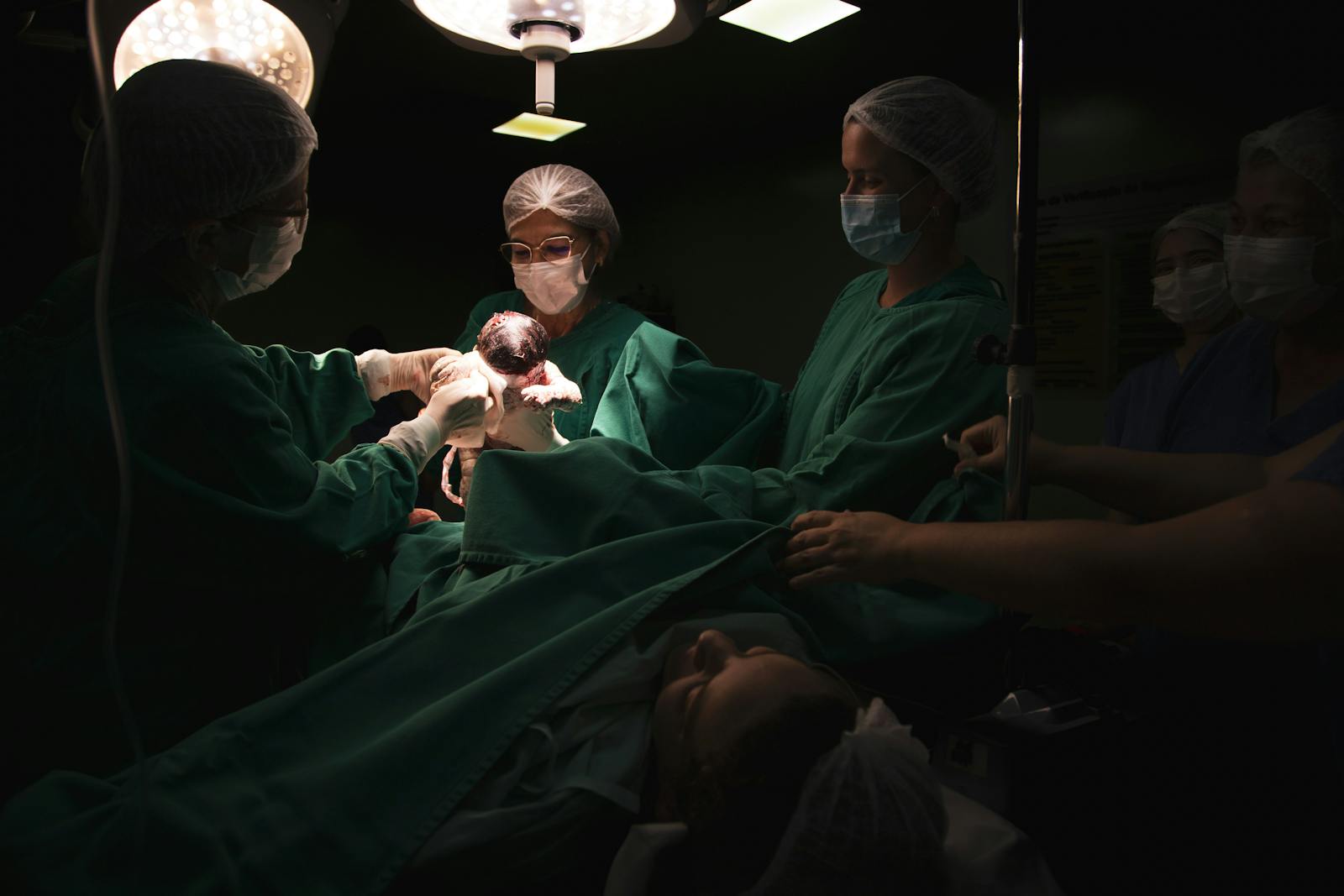
The review, which was conducted by the Good Governance Institute, said midwives and other staff were ‘exposed to unnecessary risk or potential harm’.
Concerns over elevated oxide concentrations were first raised in July 2021, according to the report, which stated that the issue should have been treated as ‘a significant risk to health’ from the outset. However, remedial action was not taken until October 2022.
Now, staff including midwives and healthcare assistants who worked at Basildon Hospital between 2018 and 2023 are pursuing legal action – this was first reported by the BBC.
One female member of staff told the BBC she and her colleagues felt they had been ‘poisoned’. In another case, a midwife said she had collapsed at work because she was experiencing headaches, low mood and anxiety.
The workers are seeking compensation for personal injury in excess of £1,500 each and the next case is due to be heard at the High Court in July.
However, the Press Association reports some claims have already been settled, with payouts totalling just over £89,000. This includes damages, claimant costs and NHS legal expenses. Overall, NHS Resolution has received 141 claims.
Nitrous oxide – a 50:50 mix with oxygen commonly known as ‘gas and air’ – is used in hospitals across the country to help with pain relief during labour.
Generally it is considered safe, but the Health and Safety Executive warns prolonged exposure to high levels can lead to serious health issues, including neurological disorders and anaemia.
Side effects of the gas are not expected until after patients have used it for longer than six hours.
The gas enters the atmosphere when birthing mothers exhale, when canisters of nitrous oxide are opened and connected to equipment and when gas lines are leaky.
Denise Townsend, acting chief nursing officer at Mid and South Essex NHS Foundation Trust, said: ‘We are sorry and acknowledge that we should have acted faster to address the issues. Since the incident we have learnt lessons and part of this is that we have improved our oversight of the monitoring of medical gases across the maternity unit at Basildon Hospital.’
It is understood the trust has since installed scavenger equipment to remove excess nitrous oxide from the air.
Other NHS hospitals have also previously been found to have elevated levels of the gas in maternity units. Some include Ipswich Hospital and The Princess Alexandra Hospital in Essex.
The Royal College of Midwives (RCM) said they have ‘long been concerned’ about potential overexposure from ventilation systems in maternity units.
Lynn Collins, RCM director for representation and organising, said: ‘We have supported our members, both individually and collectively, where we believe employers have failed in their duty to provide a healthy and safe working environment and will continue to do so.’
Photo: Hannah Barata
In related news:
A few days of bad air linked to 146,500 premature deaths in Europe
‘Don’t wait for proof’ – scientists call for tougher Hantavirus rules
Leave a Reply