

















Nearly two-thirds of the plastic particles floating in urban air come from tyre wear, with residents inhaling sufficient amounts to increase the risk of cardiovascular death and lung cancer, according to the first study of its kind in Germany.
Researchers from the Leibniz Institute for Tropospheric Research (TROPOS) and the University of Oldenburg analysed air samples taken over two weeks in September 2022 at a busy roadside location in Leipzig. They found that around 4% of the fine particulate matter in the air consisted of plastic particles.
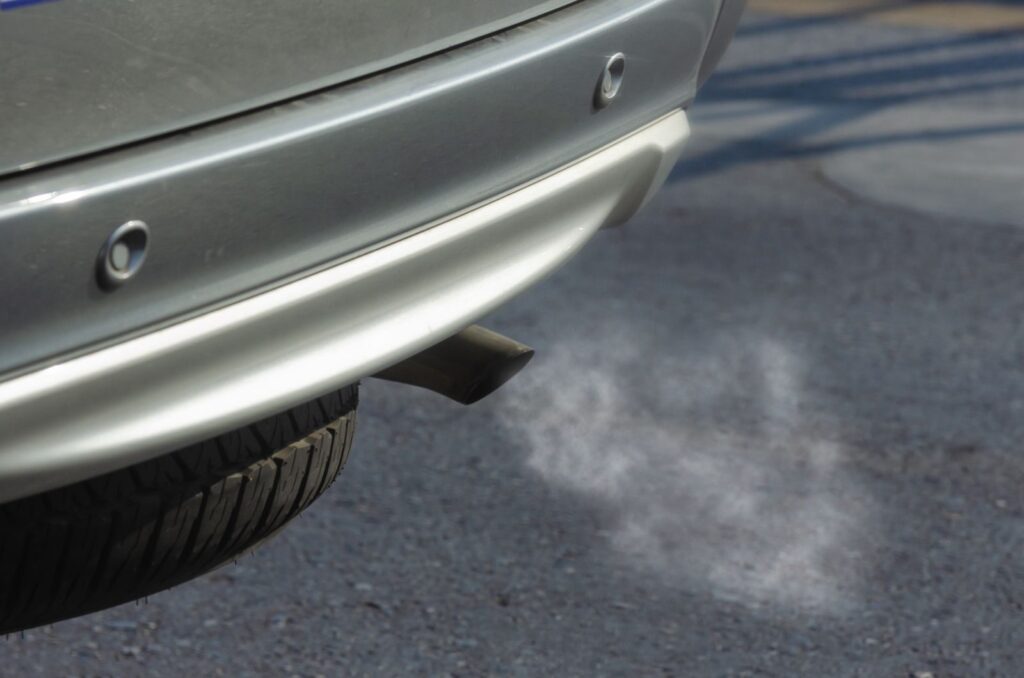
Of that plastic fraction, approximately 65% came from tyre abrasion – the microscopic rubber shed by tyres as they roll along roads. Other common plastics detected included polyvinyl chloride (PVC), polyethylene and polyethylene terephthalate (PET).
The team estimated that a person spending a full day in the vicinity of a busy road like Leipzig’s Torgauer Strasse would inhale around 2.1 micrograms of plastic particles per day, equivalent to roughly 0.7 milligrams over a year.
Applying established epidemiological models, the researchers calculated that this level of exposure was associated with a 9% increased risk of death from cardiovascular disease and a 13% increased risk of death from lung cancer.
Ankush Kaushik, a doctoral student at TROPOS who conducted the analysis said: ‘This is higher than the risk of fine particulate matter PM2.5 in general in Europe. Our observations suggest that micro-nano plastics, despite their low mass, may pose health risks over time. The increased risk of mortality from lung cancer and cardiovascular disease could be caused by a possible polymer-specific toxicity of plastic particulate matter.’
Neither the World Health Organisation nor the European Union has set limits for plastic particles in the air, largely due to the complexity of measuring such a diverse group of materials at microscopic scales.
Professor Hartmut Herrmann, who led the study said: ‘With around two-thirds of microplastics coming from tyre abrasion, this shows that action is needed and that the fine dust problem cannot be solved by switching to electric mobility alone. To protect health, it would be important to also take tyre abrasion into account when regulating air quality and set limits for microplastics in the air.’
The researchers now plan to analyse samples collected over a full year to understand seasonal variations. They also stress the need for standardised measurement methods to enable meaningful comparisons between cities and countries.
The full research can be read here.
Photo: Sardar Faizan
Leave a Reply