












A new generation of ‘smarter’ satellites is helping scientists see something that has long been difficult to track: invisible air pollution drifting across the planet.
Researchers have developed a powerful new method to map formaldehyde (HCHO) in the atmosphere, that being a key marker of volatile organic compounds (VOCs). These gases come from sources such as vehicle exhaust, factories, forests and wildfires, and they play a major role in creating smog and ground-level ozone. Until now, getting a clear global picture of formaldehyde has been a challenge. Satellite data is often patchy, disrupted by clouds, orbital gaps and noisy signals.
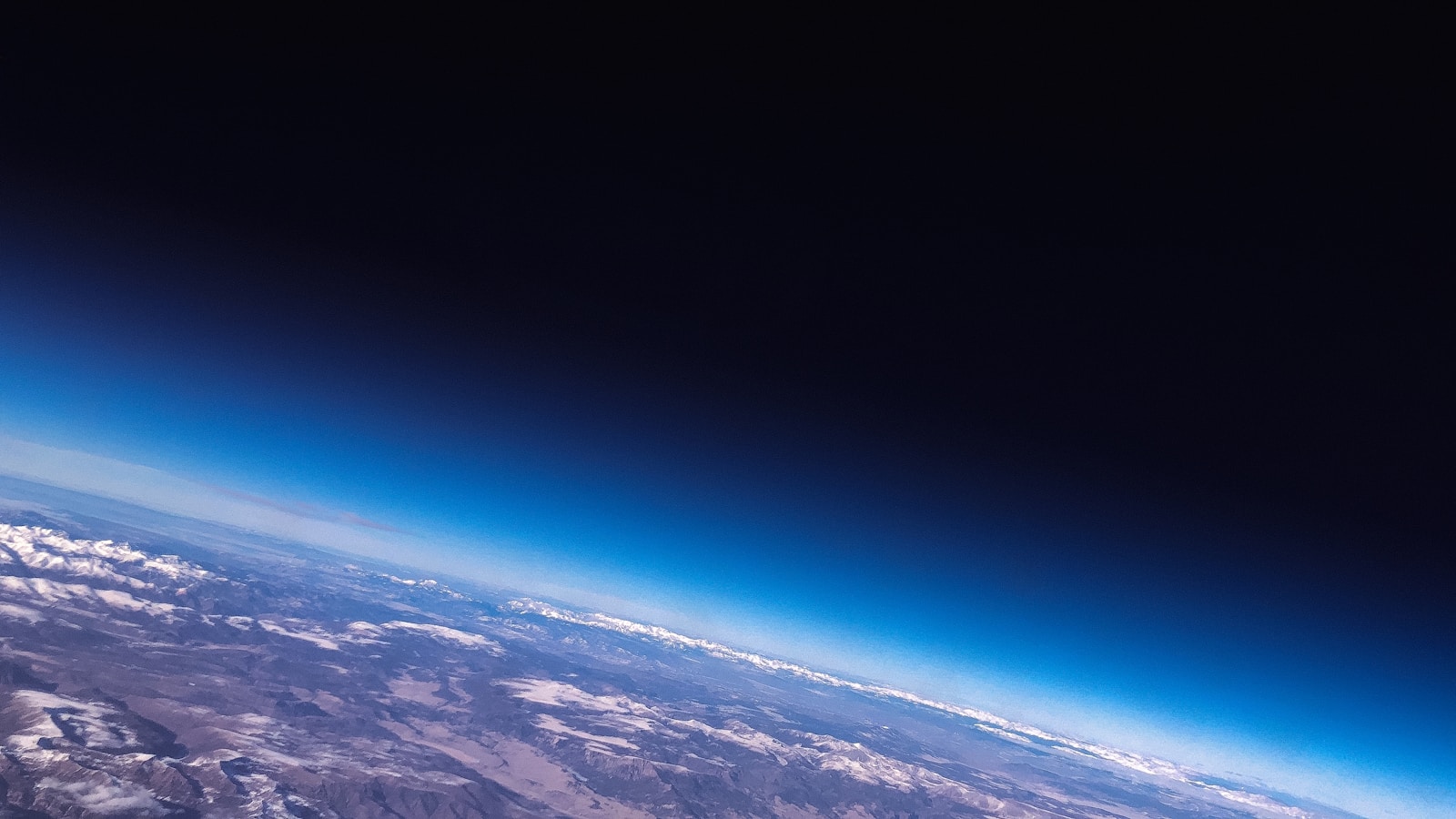
The breakthrough comes from combining traditional physics with artificial intelligence. Scientists took observations from a Chinese satellite, GF-5B, which captures valuable morning data but suffers from interference and striping noise. Then they used an advanced AI model – designed to understand patterns across the Earth’s spherical surface – to ‘fill in the blanks’ and clean up the data.
Instead of relying on pre-existing atmospheric models, the system learns directly from real-world observations. It draws on weather data, emissions, population density, and even topography to reconstruct what’s missing. The result is a seamless, daily global map of formaldehyde levels that is far more complete and accurate than before.
This approach doesn’t just improve clarity, it reveals details that were previously hidden. The reconstructed maps clearly show pollution hotspots over industrial regions, natural emissions from dense tropical forests, and even smoke plumes from major wildfires. For example, the system successfully tracked pollution from the 2023 Canadian wildfires as it traveled across North America toward cities like New York.
Validation against ground-based instruments showed a significant improvement in accuracy. In many locations, the new method outperformed existing satellite products, offering a more reliable picture of air quality.
Beyond scientific curiosity, the implications are practical. More accurate and frequent pollution maps could improve air quality forecasts, helping cities respond faster to dangerous conditions. They could also support environmental policy, track emissions more effectively, and assist in disaster response during events like wildfires.
Perhaps most importantly, the system is fast. Once trained, it can update global maps in minutes, opening the door to near real-time monitoring of air pollution on a planetary scale.
The full research can be read here
Photo: ActionVance
Leave a Reply