















The world’s most polluted regions receive the least philanthropic funding to tackle the problem, according to the Clean Air Fund’s latest analysis.
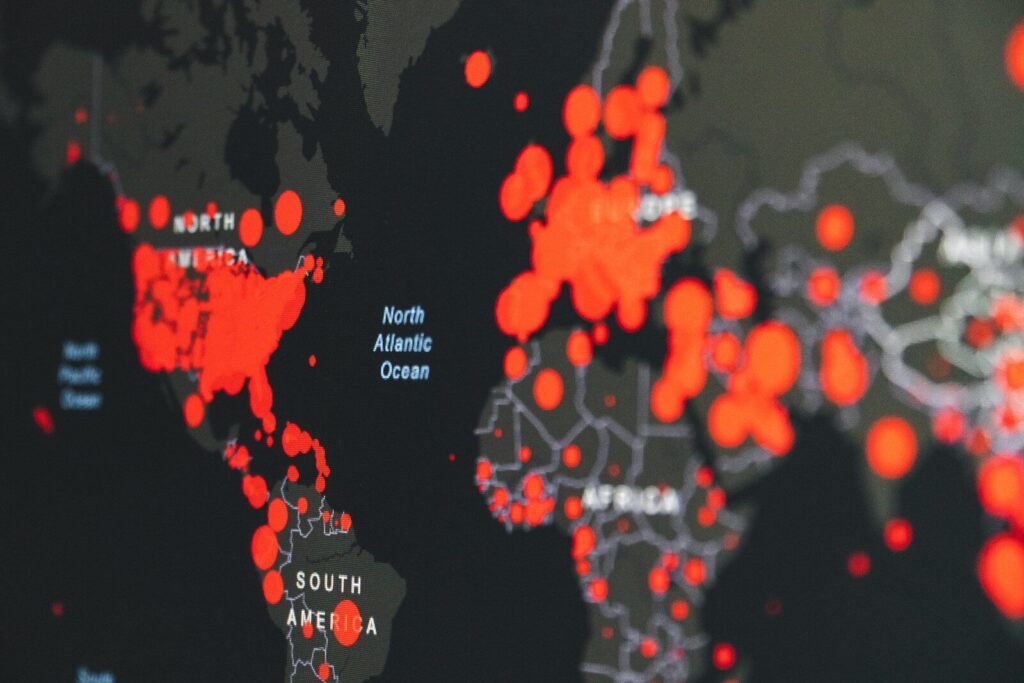
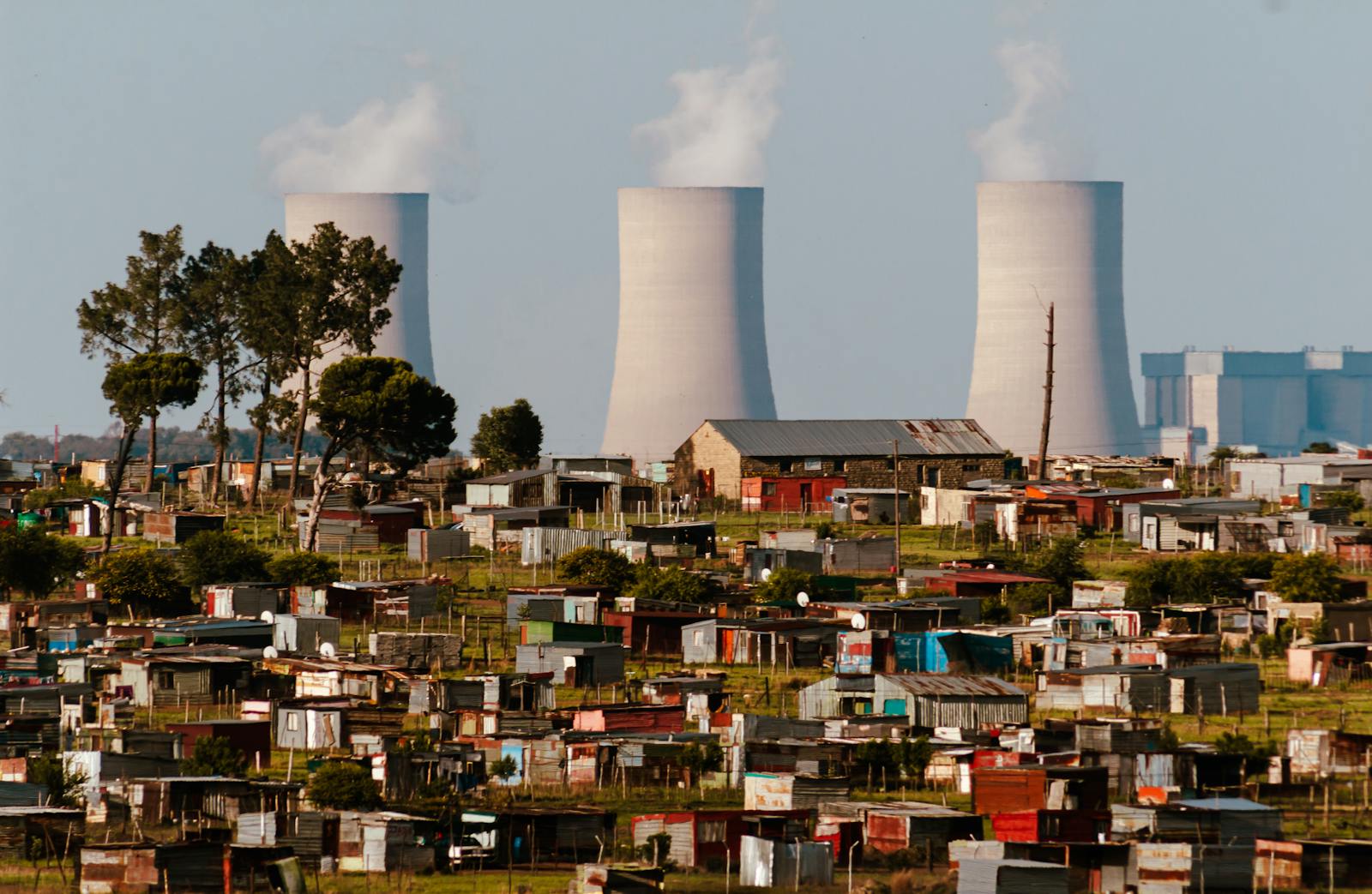
The report, which examines philanthropic foundation funding for outdoor air quality between 2019 and 2023, exposes a deeply unequal global landscape. North America secured the largest share of funding – 34% of the total – while Africa received less than 1% and Latin America just 2%. This misalignment comes despite the fact that air pollution kills millions of people each year, with the heaviest toll falling on low- and middle-income countries.
 Overall, philanthropic funding for outdoor air quality appears to be plateauing after several years of growth. It increased by only 2% between 2022 and 2023, from $123.1 million to $125.8 million. That remains less than 0.1% of total philanthropic giving worldwide. Over the same period, international development funding for air quality dropped by 20%, from $4.7 billion to $3.7 billion.
Funding is also highly concentrated among a small group of donors. Between 2019 and 2023, the top ten funders contributed 52% of all philanthropic money directed at outdoor air quality. The Clean Air Fund alone represented 8% of that total.
More positively, foundations that have made air quality a priority significantly increased their contributions, from $21.6 million in 2022 to $31.5 million in 2023.
The geographical distribution of funding reveals a persistent and troubling pattern. Organisations based in the Global North tend to allocate a substantial share of their resources within their own regions. For example, funding from United States-based donors to North America accounted for 57% of total funding – a staggering $164 million.
In terms of sectors, transport received the most philanthropic funding between 2019 and 2023, totalling $135 million. Energy was the second-most funded sector at $104 million, followed by agriculture at $40 million. Overall, investment in outdoor air quality grew by 106% across the five-year period, a sign of increasing awareness if not yet sufficient action.
However, the way in which money is spent raises further concerns. 24% of all funding was allocated to communications and awareness projects, while data monitoring and implementation projects received just 10% and 9% of funding respectively.
Given that 36% of countries, representing nearly one billion people, are not currently monitoring their air quality at all, this is a problem.
Unlike government aid, which can sometimes come in the form of loans that increase debt burdens, philanthropic funding is typically delivered as grants that do not require repayment. Philanthropies can also take greater risks, funding early-stage innovations, pilots and advocacy campaigns that might struggle to attract mainstream backing. Successful models can then be scaled with larger institutional support.
Perhaps most importantly, philanthropy has the flexibility to champion equity and justice. By amplifying the voices of vulnerable communities, foundations can help ensure that solutions deliver the greatest benefits to those most at risk. The current report makes clear that, so far, the funding landscape has failed to live up to that promise.
Jane Burston OBE, CEO of the Clean Air Fund, said: ‘Philanthropic foundations have played an essential role in tackling air pollution, but we can’t afford to lose momentum on tackling this huge public health challenge. Without action from a broader range of funders, we can’t eliminate toxic air. We need more funders to recognise that clean air is fundamental to better health, a cooler climate and economic development.
‘While philanthropies cannot fill the entire finance gap on their own, we’ve seen the hugely impactful domino effect they create, with their investments accelerating public policy and catalysing public and private finance.’
Dr Christa Hasenkopf, Senior Fellow at the Clean Air Fund, said: ‘Air pollution is one of the world’s largest public health threats — and not only do we underfund it, we’re not directing the funds available to where they’re needed most. Africa has twice the population of North America and more than twice the air pollution, yet it receives 35 times less philanthropic air quality funding.
‘Over a third of countries still don’t monitor their air quality at all. But this is a story about opportunity, not just neglect: even modest philanthropic investments in local capacity can unlock pollution reduction for nearly a billion people.’
The full report can be read here.
Photo: Michelle Hart
Leave a Reply