


















New research from The Lancet Countdown on Health and Climate Change shows that climate change is significantly extending pollen seasons, raising fresh concerns for respiratory health across the continent.
According to the report, the pollen season for key allergenic trees such as birch, alder and olive now starts earlier and lasts longer than in previous decades. Between 2015 and 2024, pollen seasons began one to two weeks earlier compared with the 1990s baseline.
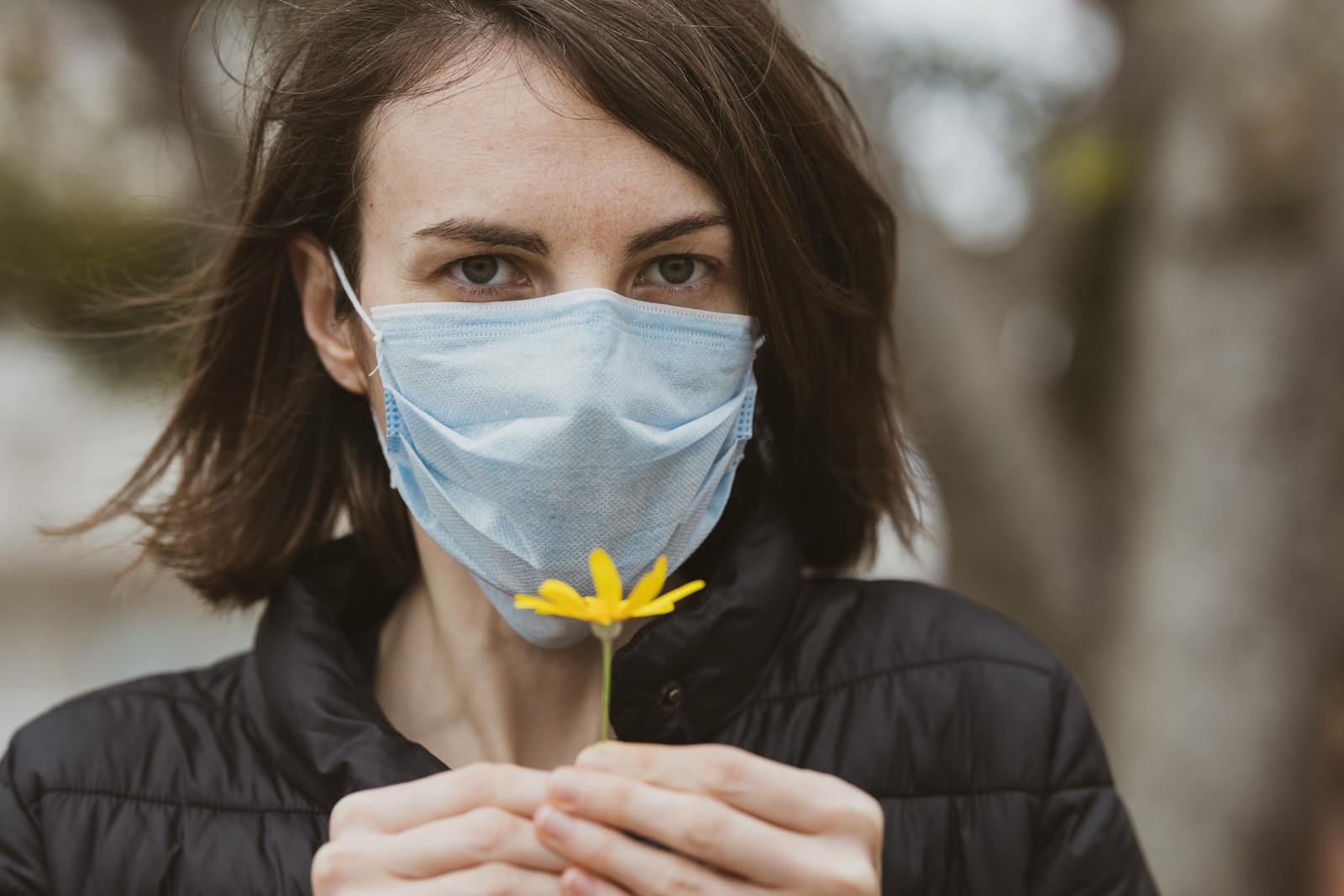
This shift may seem modest, but a longer pollen season means prolonged exposure for millions of people with respiratory conditions such as allergic rhinitis and asthma. Across Europe, allergic rhinitis already affects between 4% and 32% of the population and extended pollen exposure is expected to worsen symptoms and increase healthcare demand.
Researchers also found that pollen intensity is rising in several regions. In parts of eastern Europe, the southern British Isles, and northern France and Germany, the severity of birch and alder pollen seasons has increased by up to 20%. These changes are linked to warmer temperatures and shifting climate patterns, which accelerate plant growth and extend flowering periods.
The researchers warn that pollen should now be considered a key component of air quality, alongside traditional pollutants like PM2.5. Unlike industrial emissions, pollen is a biological pollutant but its health effects can be just as serious, particularly when combined with other air contaminants.
The interaction between pollen and air pollution may also amplify health risks. Studies have shown that pollutants such as ozone and particulate matter can increase the allergenicity of pollen grains, making them more potent triggers for respiratory illness. While the report focuses primarily on pollen trends, it places these findings within a broader context of worsening climate-related air quality challenges.
Urban areas may face particular strain. Although green spaces can help filter pollution and reduce heat, they can also be sources of allergenic pollen if not carefully managed. The report highlights the need for smarter urban planning, such as selecting low-allergen vegetation, to balance environmental benefits with public health.
Climate change is the underlying driver of these shifts. Rising temperatures and increased CO2 levels not only lengthen growing seasons but can also boost plant productivity, leading to higher pollen concentrations. Without intervention, these trends are expected to intensify in the coming decades.
The full research can be read here.
Photo: Engin Akyurt
Leave a Reply