














Brighton & Hove is set to introduce a single, city-wide Smoke Control Area, replacing five existing zones dating back to the 1970s, in an effort to tackle pollution from domestic wood burning.
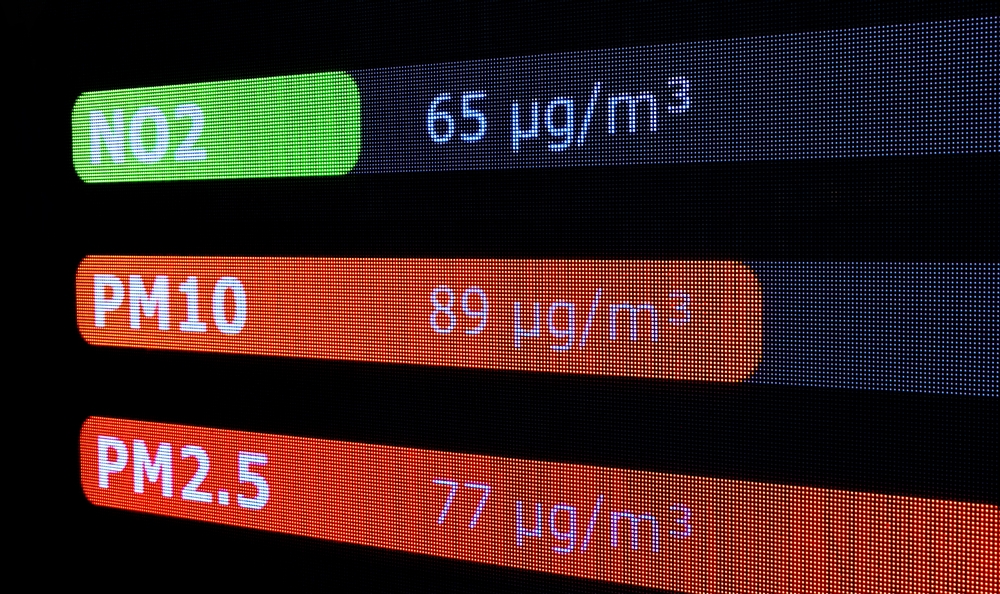
The proposals, which go before the council’s cabinet on 14th May, come in response to mounting evidence that solid fuel burning is the dominant source of winter air pollution in the city. Local monitoring data shows that PM2.5 concentrations are on average 91% higher during the five-month heating season compared to the rest of the year.
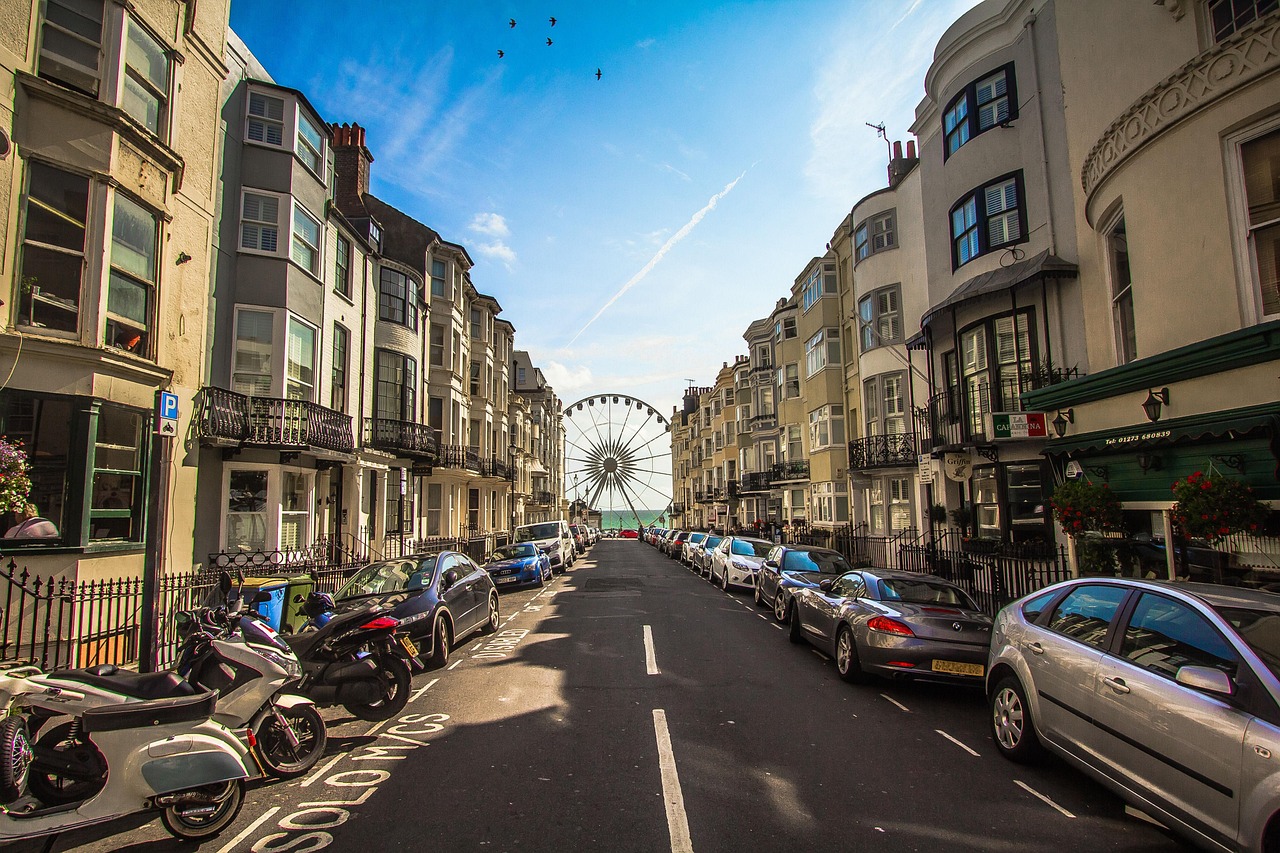
Brighton & Hove already has one of the highest densities of wood-burning stoves in the country. While most homes are centrally heated, intermittent solid fuel use produces disproportionate emissions, affecting a population with high rates of asthma, COPD and heart disease.
Under the proposed changes, the new Smoke Control Area would cover the built-up urban area, including the city centre, while excluding the sparsely populated South Downs National Park, which contains less than 1% of the city’s dwellings.
The move follows a public consultation held in early 2026, which found that 48% of respondents supported expanding smoke control coverage, either to the local authority boundary or to the urban area. Only 29% favoured keeping the existing five zones.
The council says the new single zone will simplify regulation, improve fairness across neighbourhoods, support planning policy and enable clearer communication and proportionate enforcement.
A small number of residents opposed the expansion, with 21% of consultation respondents wanting no smoke control areas at all. Some raised concerns about enforcement proportionality and potential impacts on fuel poverty.
However, the council says solid fuel burning is primarily used as supplementary heating in properties with existing hearths, and that 93% to 99% of local households are already connected to gas or electric central heating. The proposals will be paired with the council’s Fuel Poverty & Affordable Warmth Plan to provide advice and support for cleaner heating options.
The new Smoke Control Area would prohibit commercial and residential premises from producing visible smoke from chimneys and restrict the buying and selling of unauthorised fuels. Only DEFRA-approved fuels and exempt appliances would be permitted.
If approved, the new order will revoke the five existing control areas, which have been in place since the 1970s. A DEFRA grant of nearly £40,000 will fund initial communications and enforcement, with ongoing seasonal patrols estimated at £8,000 per year.
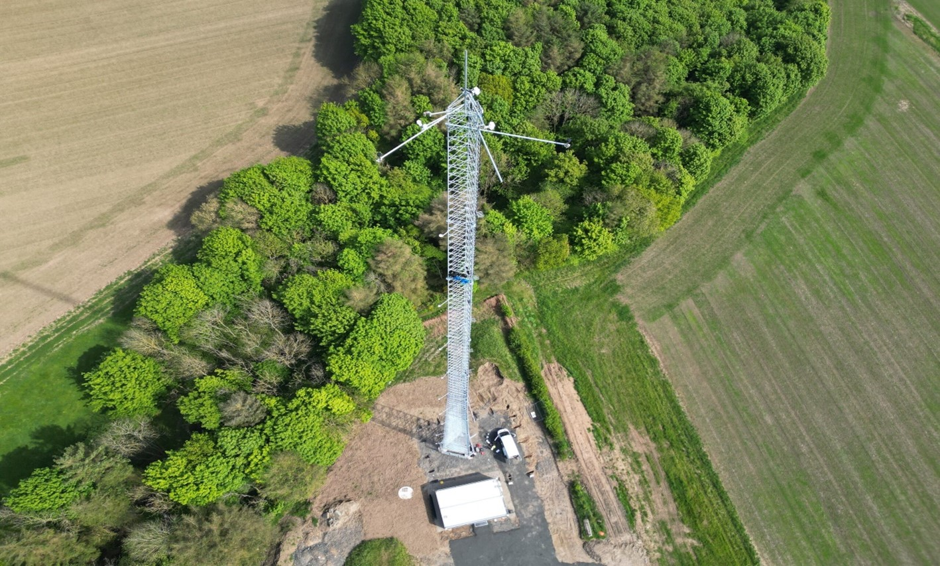
Councillor Tim Rowkins, Cabinet member for Environmental Services and Net Zero, said: ‘Since launching our city-wide air quality monitoring network in 2024, we have gathered clear and extensive data that shows the impact of burning solid fuels on air quality right across the city.
‘The impacts of particulate pollution on public health are well-documented, and we have a duty to act. The health impacts fall disproportionately on vulnerable groups including young children, older residents and those with existing health conditions and expanding our Smoke Control Area would be a big step in helping to prevent the damage being caused
‘We know that, for most who have them, wood burners and open fires are a luxury and not the primary source of heating their homes. It’s important we act to limit their use and protect our residents from the harmful effects of PM2.5.
‘We of course encourage residents to refrain from burning solid fuels, but bringing in a SCA across the city will enable us to provide clear guidance on what can be used and how.’
Photo: diego_torres
Leave a Reply