















The American Lung Association’s latest ‘State of the Air’ report has revealed that nearly half of all children in the United States are breathing unhealthy levels of air pollution.
The report estimates that 33.5 million children, about 46% of those under 18, live in areas with failing air quality grades while overall, 152 million people still reside in counties with unsafe levels of ozone or particle pollution.
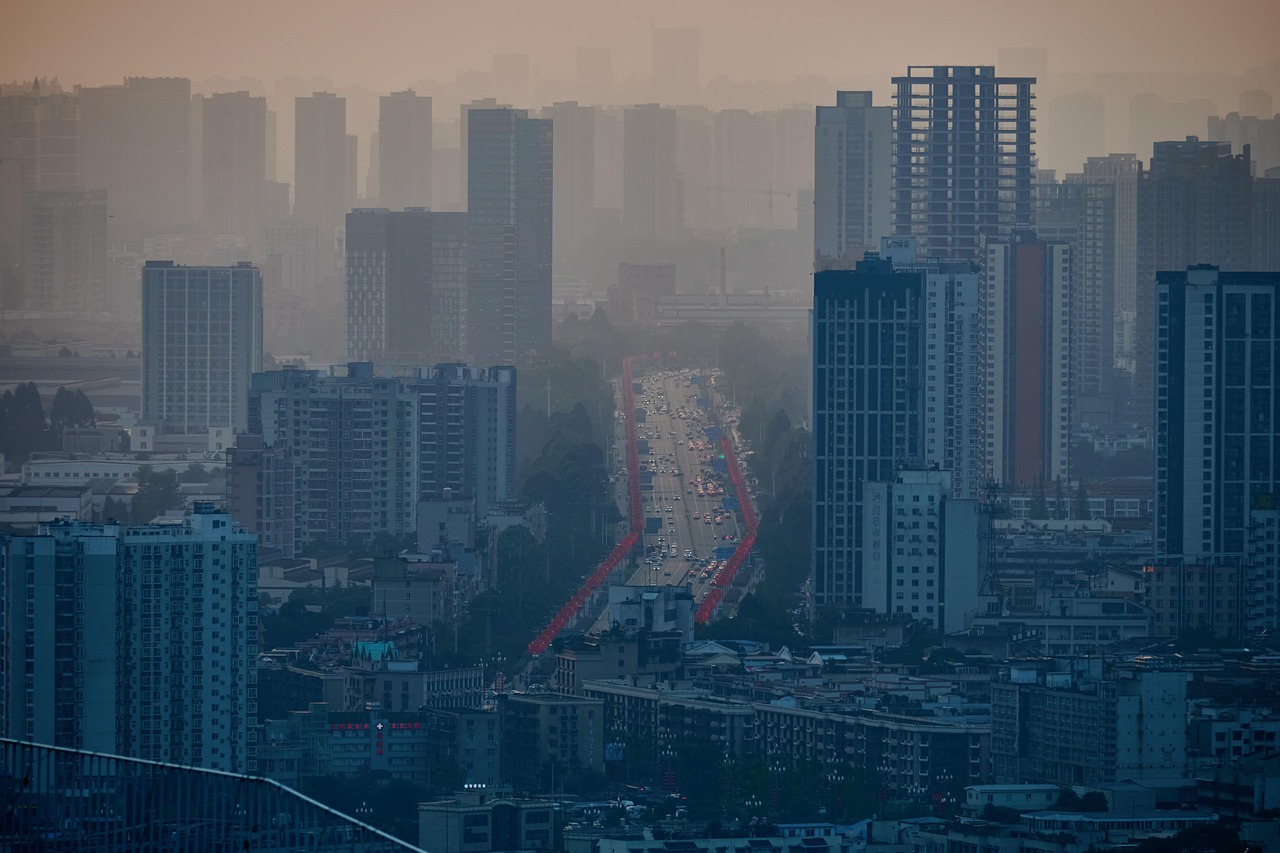
The report evaluates air quality across US counties based on three key measures: ground-level ozone, short-term spikes in particle pollution and year-round particle pollution levels. Data from 2022 to 2024 show that more than 7 million children live in communities that failed all three measures, placing them at particularly high risk.
Harold Wimmer, President and CEO of the American Lung Association said: ‘Clean air is not something we can take for granted. It takes work. For decades, people in the US have breathed cleaner air thanks to the Clean Air Act. Unfortunately, that progress is now at risk due to extreme heat and wildfires, fueled by climate change and policy changes that are making the problem worse.
‘Now is the time to strengthen air pollution standards, but EPA is doing the opposite. In the last year, EPA has weakened enforcement and rolled back rules that would have protected kids from power plant and vehicle pollution. Children need clean air to grow and play, and communities need clean air to thrive. Leaders at every level must act to improve and protect America’s air quality.’
The report also highlights disparities in exposure. People of colour are disproportionately affected, with significantly higher odds of living in areas that fail all pollution measures. Hispanic communities in particular face the greatest risk, being more than three times as likely as white populations to live in heavily polluted areas.
Ozone pollution remains a widespread issue, affecting more than 129 million people, an increase from last year. Four of the five cities most affected by ozone pollution are in California.
Meanwhile, 61.5 million people experienced dangerous short-term spikes in particle pollution, and nearly 76 million lived with unsafe year-round particle levels. While some improvements were noted in short-term pollution compared to previous years, levels remain far above historic lows.
Californian cities feature twice in the top 5 cities most polluted by short-term particle pollution, although the worst affected is
Fairbanks in Alaska. For year-round particle pollution, California again came close to monopolising the five worst list.
Only one city – Bangor, Maine – met the criteria for clean air across all categories this year. In 2024, five cities could make this claim.
Emerging concerns also include the rapid growth of data centers powered by fossil fuels, which may contribute to local pollution burdens, although detailed emissions data remain limited.
The American Lung Association is urging policymakers to strengthen air quality standards and prioritize public health, particularly for children. Advocates argue that failing to account for the health costs of pollution in policy decisions risks undermining decades of progress.
Click here for more information about the report’s findings.
Photo: ymyphoto
Leave a Reply