



















New research shows that smoke from distant wildfires is making it harder to spot many bird species during breeding season surveys.
Wildfire smoke drifting hundreds of miles from Canada is changing how birds are observed in New York State, according to a new study. Researchers analysed nearly 100,000 bird-watching checklists submitted to the eBird citizen science platform between 2021 and 2023, comparing them with local air quality measurements.
Researchers used data from ground-based air quality monitors to measure daily PM2.5 concentrations, a standard marker of wildfire smoke. The analysis accounted for weather, habitat, time of day, survey duration and observer skill to isolate the specific effect of air pollution on bird observations.
The findings reveal that elevated levels of PM2.5 affected the probability of observing roughly 70% of the 84 bird species studied. Nearly half of the species became less likely to be spotted as smoke intensified, while about one-fifth became more detectable.
Festus Adegbola, a PhD candidate in the Department of Geography at University at Buffalo said: ‘Our results show a link between wildfire smoke and the probability of observing particular bird species. Wildfire smoke is often underexplored when monitoring biodiversity. Failing to account for air quality may bias models of species distributions and abundance.’
Forest-dwelling songbirds experienced the most significant declines in detection. Species such as warblers, thrushes, and vireos – small birds typically identified by their calls – were observed less frequently during smoky conditions. The research suggests these birds may alter their vocal behavior when air quality deteriorates, making them harder for birdwatchers to detect.
Adegbola said: ‘It’s possible that smoky conditions changed the birds’ behavior – singing and moving less, spending more time in dense forest canopy – and therefore made them harder to detect.’
By contrast, aerial insectivores like swallows and some wetland species showed neutral or even positive responses to smoke. These birds are often spotted visually as they forage in open airspace, and changes in insect activity during smoke events may temporarily increase their visibility to observers.
Adam Wilson, PhD, associate professor of geography said: ‘These species often occupy more open environments than forest songbirds, so it’s possible their increased sightings had more to do with where birdwatchers chose to observe during smoky conditions than how the birds themselves responded.’
The researchers point to an important challenge for long-term bird monitoring programmes. Many surveys take place in spring and summer months, when wildfire smoke events are becoming increasingly common due to climate change. If smoke conditions are not accounted for, population trends could be misinterpreted, showing apparent declines in some species that may simply reflect reduced detectability, or apparent increases in others that might result from behavioral shifts rather than real population growth.
Wilson said: ‘As climate change continues to intensify wildfires, it’s crucial we understand how birds will be affected by increased smoke pollution. This study is hopefully a first step to better understanding how species respond to wildfire smoke exposure.’
ss
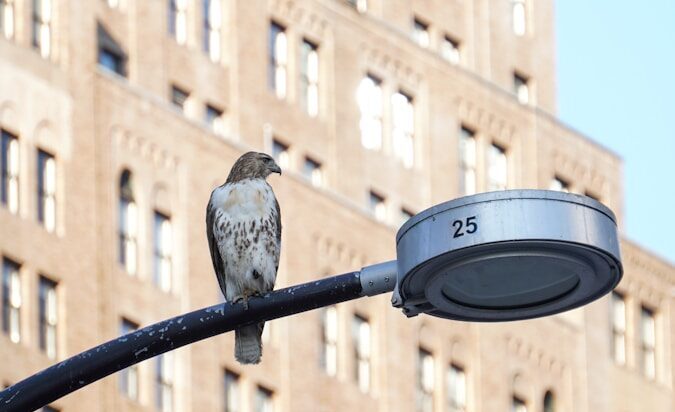
Photo: Koushalya Karthikeyan
Leave a Reply