















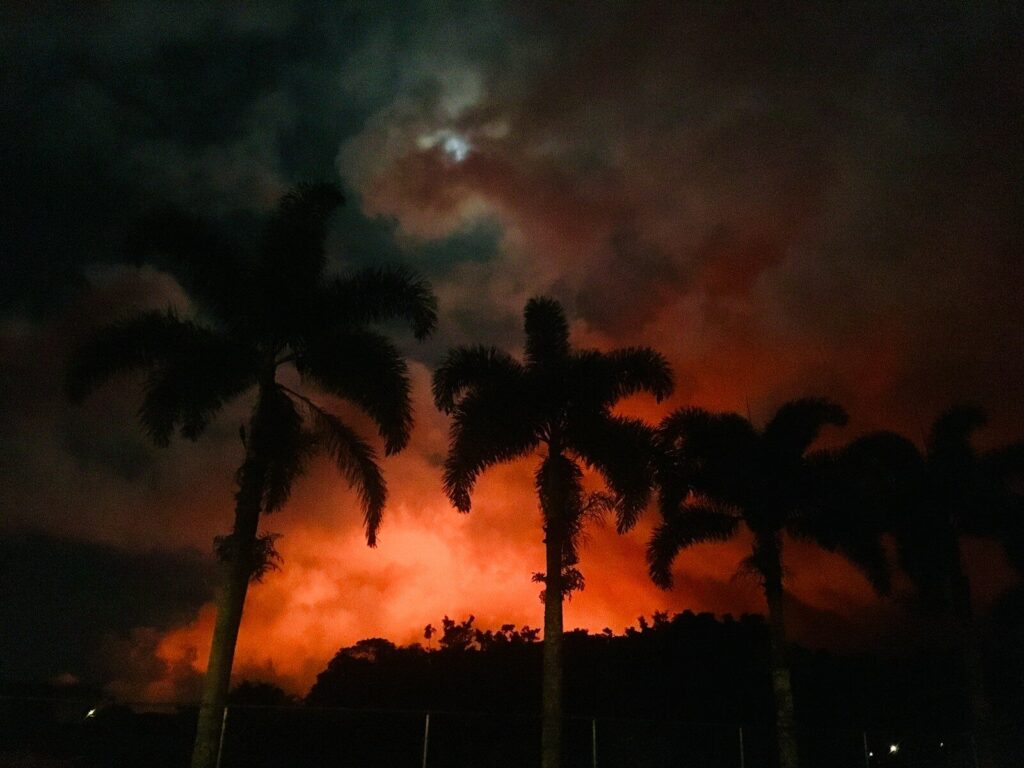


Wildfire smoke can infiltrate homes even when windows are kept closed, while opening them to escape extreme heat may significantly increase indoor pollution, preliminary research by University of Manchester scientists suggests.
Researchers analysed real-time air-quality data from 23 homes across Greater Manchester between 1st and 26th July, during two periods of wildfire activity in the nearby Pennine hills.
On 17th July, when outdoor smoke levels peaked, every monitored home exceeded the World Health Organization’s 24-hour guideline for PM2.5.
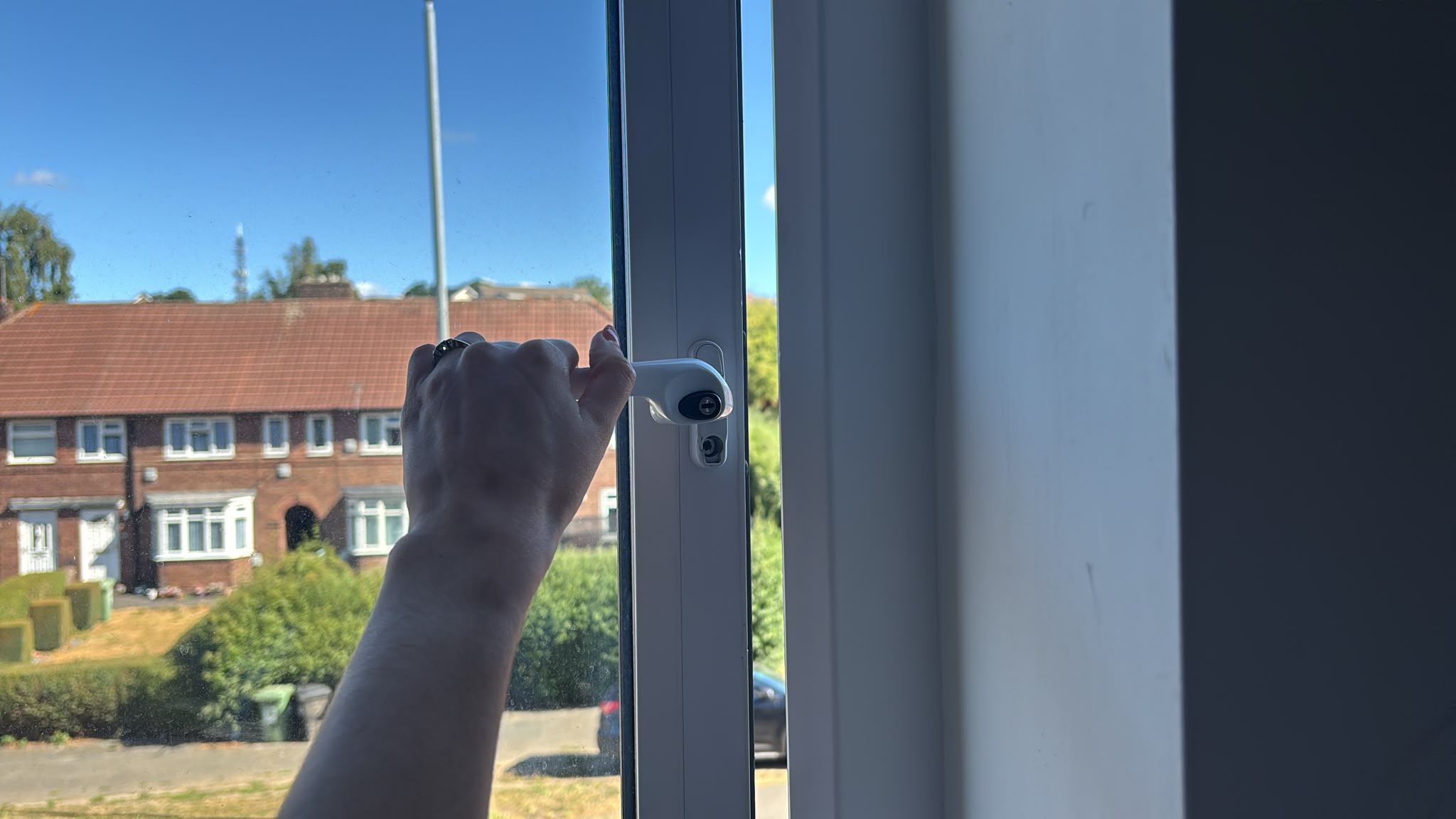
The findings highlight a difficult choice for households during periods of simultaneous extreme heat and wildfire smoke: closing windows can reduce exposure to smoke but trap heat indoors, while opening them to cool the home can allow more polluted outdoor air inside.
The researchers found that average overnight bedroom PM2.5 concentrations increased from 2.7 μg/m³ under normal conditions to 7.8 μg/m³ when windows were closed during the wildfire period. With windows open, the average rose further to 11.8 μg/m³.
Although keeping windows shut reduced exposure, indoor concentrations remained two to four times higher than usual. In some homes, overnight bedroom PM2.5 levels exceeded 100 μg/m³.
The team also found evidence of a trade-off between outdoor and indoor pollution. Levels of pollutants generated inside homes, including volatile organic compounds and carbon dioxide, fell when residents opened windows as temperatures climbed above 33C. However, this cooling measure also appeared to increase the amount of wildfire pollution entering homes.
Professor Alex Horsley, from the University of Manchester, said: ‘These findings show the difficult challenges that people face during periods of wildfires and high environmental temperatures.
‘Following the simple but often repeated instruction of going indoors and shutting the windows will only give you some protection from wildfire smoke, and keeps heat in the home. Both smoke and heat can make breathing worse for those with chronic lung conditions.
‘During July’s fires, in every home we monitored we found the effects of smoke was present indoors at potentially harmful concentrations levels, especially during periods when the heat forced people to open windows.’
The effects of wildfire smoke were detected indoors in all 23 monitored properties, including homes up to 60km from the fires on the moors outside Manchester.
Dr Thomas Bannan, lead environmental researcher on the project, said: ‘The findings support advice to close windows while smoke levels are high, but show that this cannot completely prevent smoke infiltration and may increase the risk of overheating.
‘The challenge is that this advice can be difficult to follow during very hot weather, particularly in homes that are prone to overheating.
‘We need clearer, evidence-based guidance that helps households reduce exposure to both smoke and heat. I hope this new data can support these decisions.
‘We are now investigating practical measures, including air filtration and approaches to keeping homes cool, so that people – especially those with existing respiratory conditions – have better options during future extreme events such as these.’
Photo: Emily Whitehouse
Leave a Reply