

















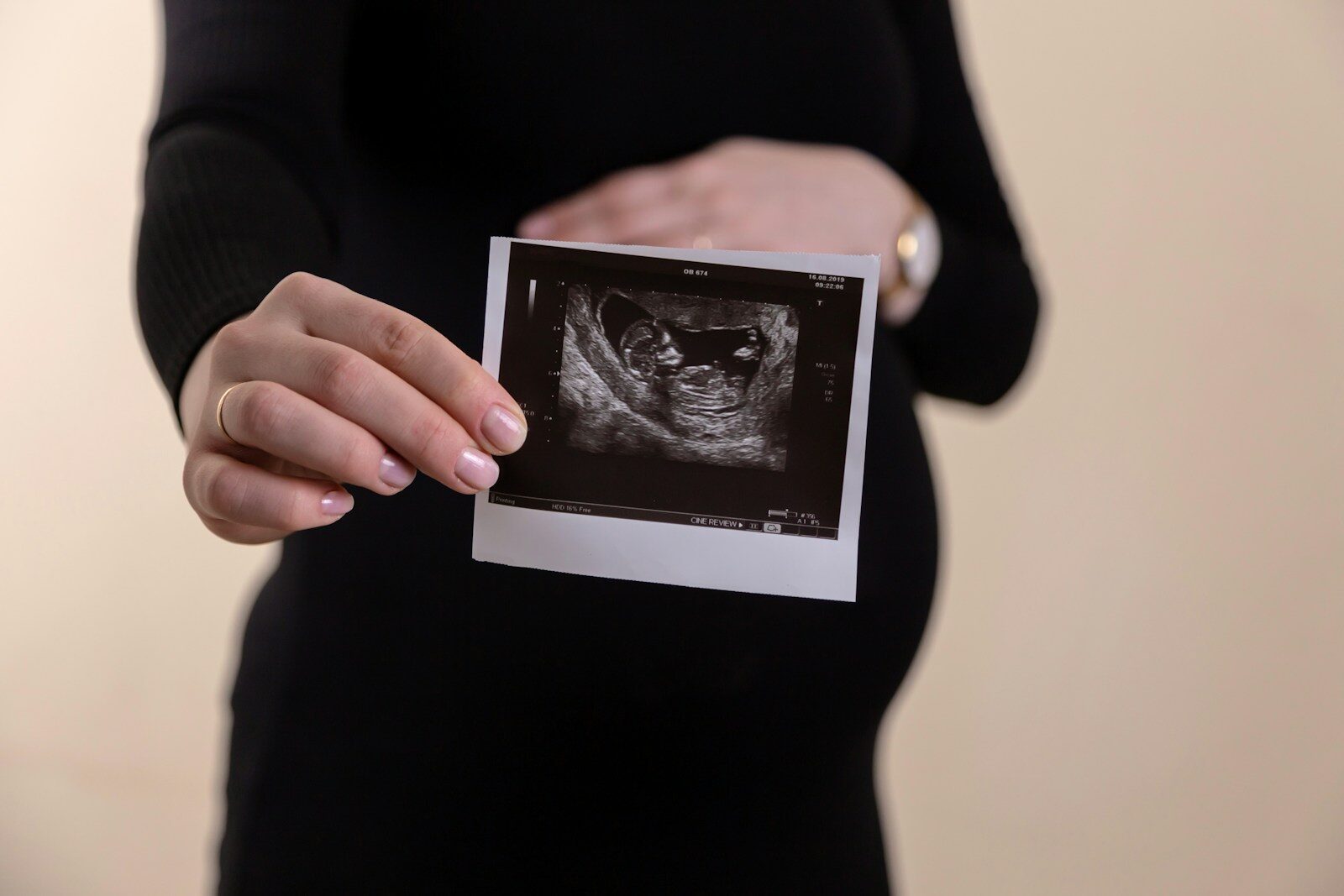
Exposure to a combination of common air pollutants during early pregnancy could significantly increase the risk of premature birth, according to new research that suggests current air quality measures may underestimate the dangers to expectant mothers.
Researchers at the University of Utah analysed data from 44,874 first-time mothers and found that repeated exposure to mixtures of pollutants in the first trimester was linked to almost three times greater odds of giving birth before 34 weeks of pregnancy.
The study used machine learning to identify patterns in air pollution exposure across Utah between 2013 and 2016.
Babies born this early are at greater risk of serious health complications, making early preterm birth a major public health concern.
Previous studies have linked individual pollutants, such as PM2.5 or ozone, to premature birth. However, the researchers say people are exposed to several pollutants at the same time and the combined effects have been largely overlooked.
While it is widely recongnised that some environmental mixtures may impact health more than individual pollutants on their own, the difficulty is identifying which combinations to study.
Lead author Brenna Kelly said: ‘Finding these patterns is like searching for a needle in a haystack – without the machine learning component, testing all combinations of mixtures would have been intractable.’
The research team analysed levels of nitrogen dioxide, ozone, PM2.5 and temperature, identifying 12 different combinations of environmental conditions. They then examined how exposure to these mixtures during each week of pregnancy affected the risk of early preterm birth.
The strongest association was found during the late first trimester. Women exposed to a mixture of ozone and fine particulate matter during the 11th week of pregnancy had a 53% greater chance of an early preterm birth than those who were not exposed. Those repeatedly exposed to the same mixture between weeks nine and 14 had almost three times greater odds of delivering before 34 weeks.
The researchers also questioned whether Air Quality Index (AQI) ratings provide an accurate picture of health risks. Because the AQI is generally based on the single pollutant posing the greatest threat, the pollution levels identified in the study would still have been classified as ‘safe’.
Photo: Volodymyr Hryshchenko
Leave a Reply