

















More than eight in 10 Britons cannot tell the difference between a road-legal e-bike and an illegally modified one, according to new research released as the cycling industry launches a national safety trust mark aimed at restoring consumer confidence.
Polling by YouGov found that 84% of people were not confident they could distinguish a legal electrically assisted bicycle from one that has been illegally altered or falls outside UK regulations.
The findings have prompted the Bicycle Association (BA) and the Association of Cycle Traders (ACT) to launch E-Bike Positive, a new accreditation scheme designed to help consumers identify safe, road-legal e-bikes and reputable retailers.
At its launch, the scheme includes 33 manufacturers, representing more than 80% of reputable e-bikes sold in the UK, and more than 600 retailers, including Halfords, Evans Cycles, Decathlon and hundreds of independent bike shops.
The survey also highlighted widespread confusion about the law governing e-bikes. Just 16% of respondents correctly identified that an e-bike’s motor must stop providing assistance at 15.5mph, while 60% admitted they did not know the legal speed limit.
Industry leaders say the lack of public awareness has allowed illegal and potentially dangerous machines to damage the reputation of legitimate e-bikes.
To qualify for the E-Bike Positive trust mark, retailers must agree to sell only road-legal e-bikes, service them in line with manufacturers’ guidance and supply only compatible, safety-tested batteries and chargers. They must also refuse to work on illegal or unsafe modified bikes and undergo independent verification, including mystery shopper visits.
Manufacturers must pass an independent audit demonstrating that their bikes meet legal requirements, have been properly safety tested and are designed to resist tampering.
The initiative comes amid growing concern over lithium battery fires linked to unsafe products and poorly made conversion kits, many of which are sold through online marketplaces. The research found that while 69% of people recognised that using the wrong charger could cause a fire, 30% still believed all e-bikes pose the same fire risk, suggesting illegal products have undermined confidence in the wider market.
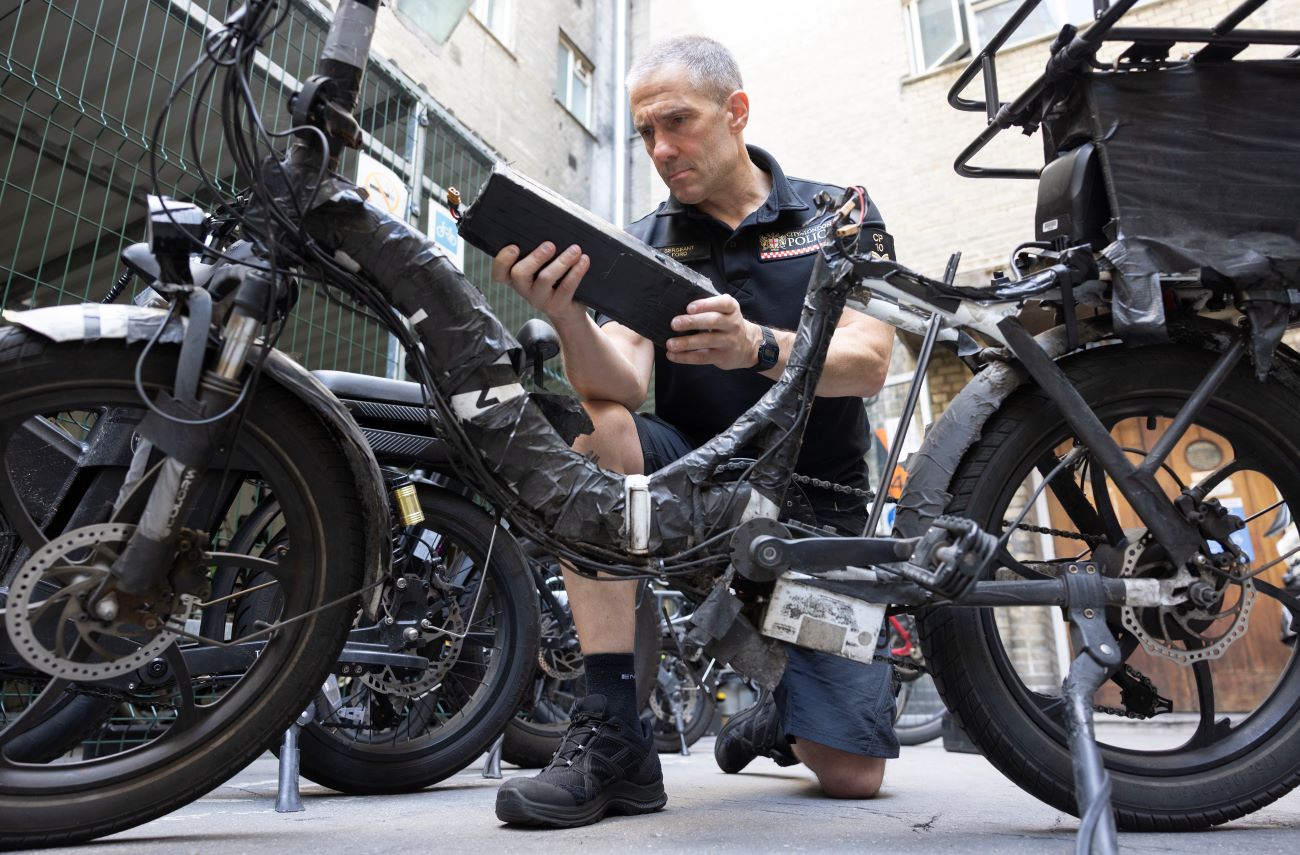
The findings were published as cycling industry representatives joined City of London Police officers examining seized illegal e-bikes in the capital, including de-restricted models capable of travelling well above the legal speed limit.
Sergeant Stu Ford, of the City of London Police Cycle Team, said: ‘The machines we are seizing are not bicycles. Many have been illegally modified to reach speeds that put riders, pedestrians and other road users in serious danger, and the batteries and chargers involved carry a real fire risk. Enforcement is essential, but so is helping the public understand what they are buying. Anything that makes it easier for people to choose a safe, legal e-bike, and to avoid the dangerous alternatives, supports the work we are doing on the streets.’
The industry believes the new trust mark will help consumers make informed purchasing decisions while encouraging safer use of e-bikes. However, it is also calling on the Government to tighten regulations governing the online sale of unsafe products and close legal loopholes that allow non-road-legal vehicles and conversion kits to be sold for supposed use on private land.
Leave a Reply