

















US veterans exposed to smoke from military burn pits may be more likely to experience mental health problems, according to new research.
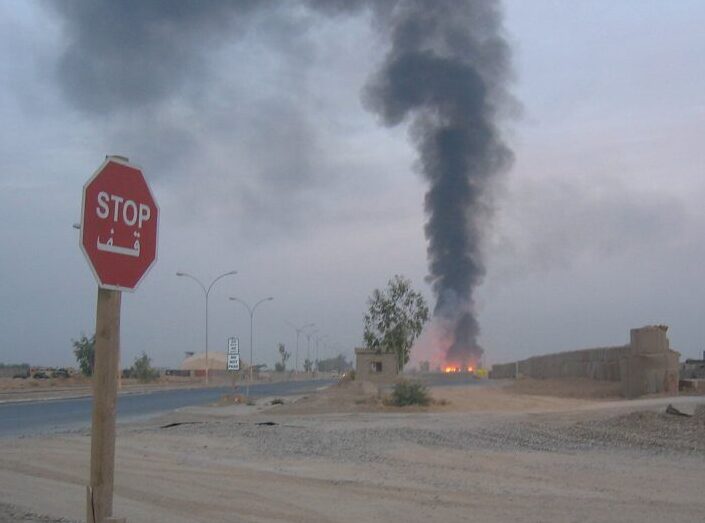
Burn pits are large open-air areas used by the US military to burn waste, including plastics, chemicals, medical waste and other materials. The practice was used at some overseas military bases, particularly in Iraq and Afghanistan, and could produce thick smoke containing potentially harmful pollutants.
A study published in JAMA Network Open found that veterans who reported more frequent exposure to burn-pit smoke were increasingly likely to screen positive for conditions including post-traumatic stress disorder (PTSD), depression and alcohol use disorder, as well as suicidal thoughts.
Researchers surveyed 2,636 US veterans in 2025 and 2026. Around one in four reported exposure to burn-pit smoke without also reporting exposure to Agent Orange, a chemical used by the US military during the Vietnam War.
Among those who reported burn-pit exposure, 15.8% said they were exposed every day, while 22.6% reported rare exposure.
After taking account of factors including age, military history and traumatic experiences, veterans exposed to burn pits had 88% higher odds of screening positive for current PTSD.
The researchers also found a clear relationship between the frequency of exposure and mental health. They estimated that 33% of veterans exposed daily would screen positive for PTSD, compared with 10% of those exposed rarely. Similar patterns were found for depression, alcohol use disorder and suicidal thoughts.
However, the study does not prove that burn-pit smoke causes mental health conditions. The researchers say exposure could also be linked to serving in areas where veterans faced greater levels of combat and psychological stress.
They suggest toxic airborne exposure could potentially affect the brain through inflammation and other biological changes, but say further research is needed.
The findings add to growing concerns about the long-term health effects of military burn pits, which have already been linked to respiratory and other health problems.
The full research can be read here.
Leave a Reply