
















A new report from the World Meteorological Organization (WMO) has warned that the increasing frequency of wildfires and heatwaves is reversing decades of progress in air quality management, posing a significant threat to human health and ecosystems worldwide.
Published today (7th September) to mark the International Day of Clean Air for blue skies, the annual Air Quality and Climate Bulletin highlights the deepening, complex interlinkages between climate change and air pollution.
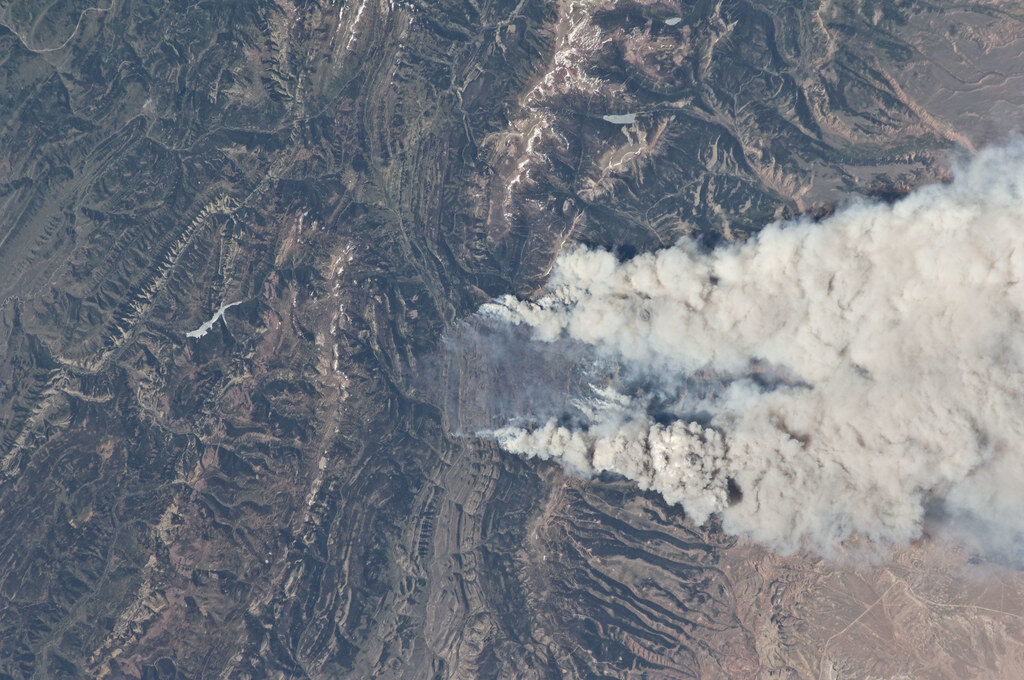
The report observes that while regulations in regions such as Europe and North America have successfully curbed emissions from industry and transport, the toxic smoke from extreme wildfires is filling the void.
Data cited in the bulletin indicates that extreme fire-smoke events have tripled globally since the 1990s, contributing to an estimated 100,000 additional deaths per year between 2010 and 2018, a figure the WMO suggests is likely an underestimate.
This trend is clearly reflected in PM2.5 concentration levels. In 2025, PM2.5 levels were above the long-term average in northern Canada, parts of Russia, and western-central Africa, driven by heightened fire activity. Northwestern Spain also emerged as a hot spot due to exceptional late-summer fires.
The bulletin emphasises that current air quality risk assessments may be dangerously inadequate when it comes to wildfire smoke. One epidemiological study cited in the report suggests that conventional models based on total PM2.5 mass could underestimate wildfire-attributable mortality by as much as 93%, failing to account for the higher toxicity of particles generated by fires. As a result, the report warns that ‘meeting the World Health Organization air quality guidelines will become progressively more difficult, since extreme fire weather is expected to increase in the future.’
Compounding the crisis is the rise of ground-level ozone pollution, which is exacerbated by heatwaves. Rising temperatures, stagnant air, and intense solar radiation – conditions seen during recent heatwaves in the southeastern USA, Europe, and China – are driving ozone formation. This pollution has the potential to cause tens of thousands of additional premature deaths annually.
The report also draws attention to emerging threats like microplastics and black carbon (soot), which are insufficiently monitored despite being widespread. Microplastics, formed from degrading plastic waste, are now found everywhere, from the atmosphere to remote oceans, with estimates of 51 million tonnes on land and 22 million tonnes in the ocean acting as sources for airborne particles. Meanwhile, black carbon deposited on snow and ice accelerates melting by reducing sunlight reflection, demonstrating how air pollutants directly fuel climate feedback loops.
The WMO stresses that air quality and climate cannot be addressed in isolation. The report calls for complementary, coordinated policies and improved atmospheric monitoring to protect public health and the environment in an era where clean air is increasingly threatened by a warming planet.
The full report can be read here.
Photo: NASA
Leave a Reply