














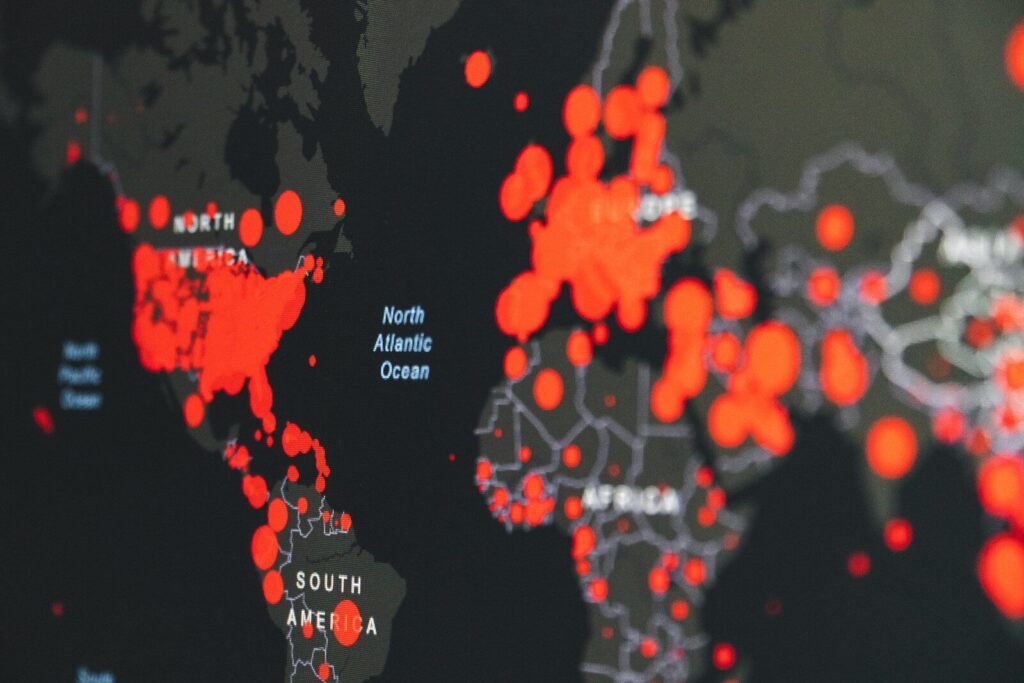

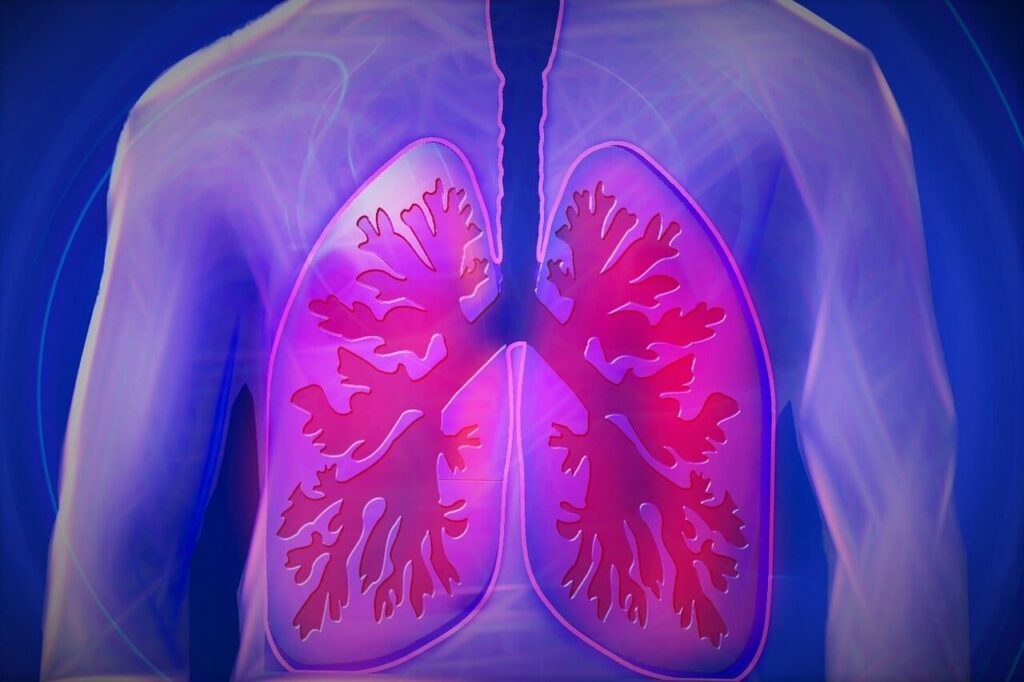

Despite decades of progress, second-hand smoke exposure remains a major global health threat, having caused 1.66 million deaths in 2023 alone.
The first dedicated Global Burden of Disease analysis on second-hand smoke, published today (8th September) in The Lancet Public Health, reveals that an estimated 2.71 billion people worldwide are still exposed to tobacco smoke against their will. Among them are 767 million children under 15.
While global exposure rates have fallen by 22% since 1990, population growth means the absolute number of exposed people has barely changed. In fact, in sub-Saharan Africa, the number of people exposed to second-hand smoke has nearly doubled.
As such, the health toll remains huge. Second-hand smoke caused 44.8 million years of healthy life lost through death and disability in 2023, making it one of the top risk factors for early death globally.
The leading cause of death from second-hand smoke is ischaemic heart disease, followed by chronic obstructive pulmonary disease and stroke. Among children, lower respiratory infections such as pneumonia are the primary threat.
The study also reveal widespread inequalities. Women and children are disproportionately exposed, particularly in regions where male smoking rates are high. In parts of Southeast Asia and Oceania, women’s exposure rates are nearly double those of men, while in some Pacific nations, prevalence exceeds 60%.
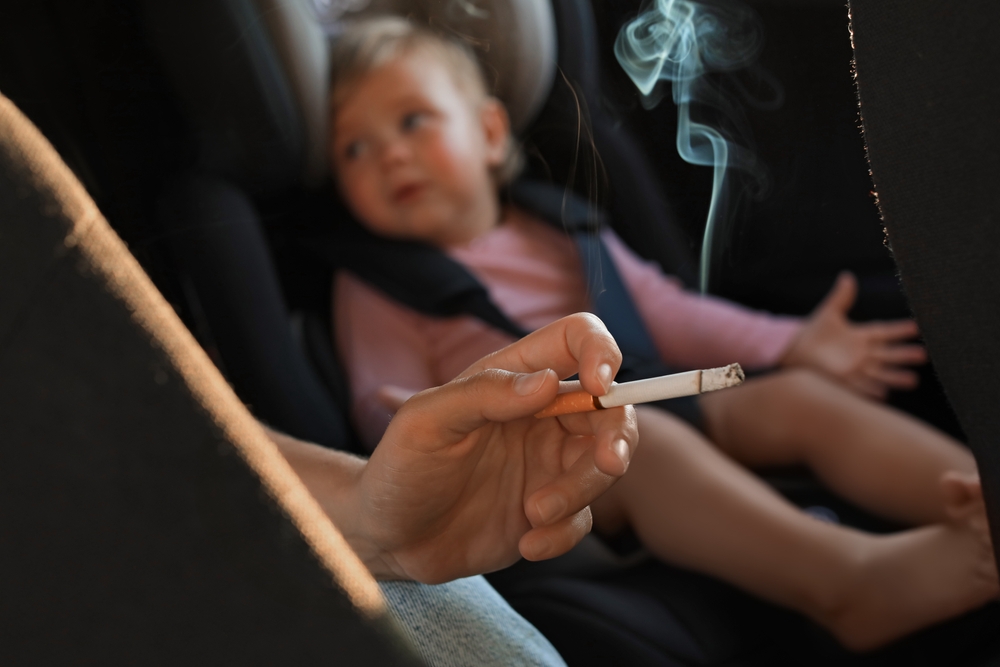
Young children are most at risk in homes and vehicles, where there is no legislation to protect them.
The Americas stand out as a success story. Countries that have implemented comprehensive smoke-free laws have seen the largest reductions in exposure, with Latin America and the Caribbean achieving a 38% drop in age-standardised exposure since 1990.
But the picture is highly uneven. Despite the WHO Framework Convention on Tobacco Control calling for smoke-free public places since 2003, roughly 70% of the global population remains unprotected by fully effective legislation.
The researchers call for accelerated implementation of smoke-free policies, particularly to protect women and children in both public and domestic settings. Broader measures such as tobacco taxation, marketing bans, and cessation programmes are also essential to reduce smoking rates that drive second-hand exposure.
The full report can be read here.
Leave a Reply