Lime launches ride pass to mobilise World Cup crowds
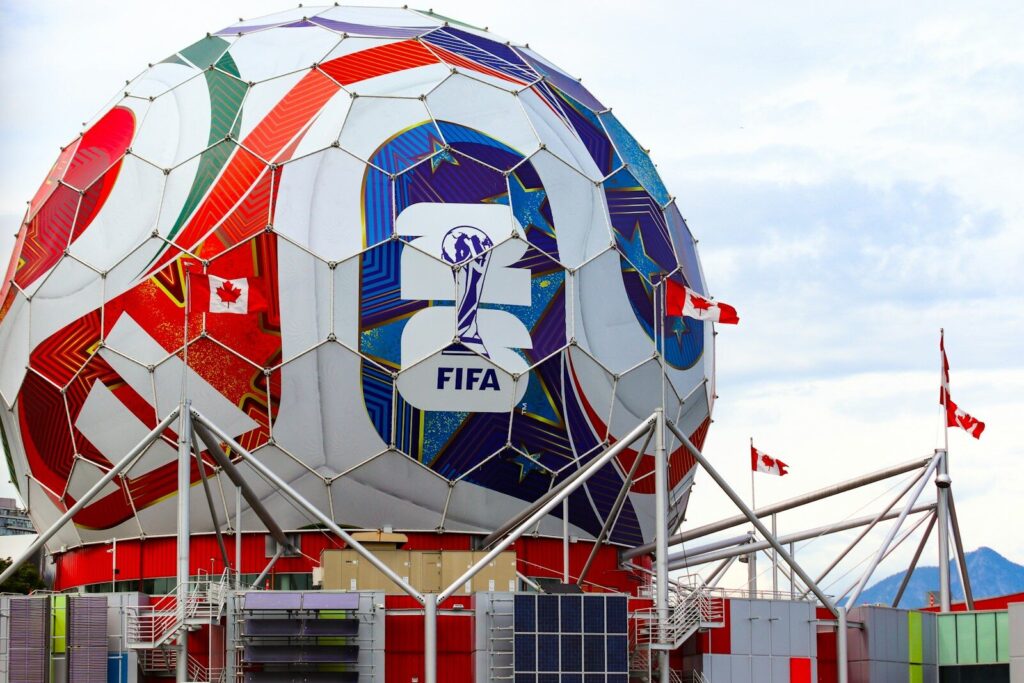
As thousands of soccer descend on cities across North America this summer, transportation networks are expected to face a familiar challenge: handling large crowds without bringing urban mobility to a standstill.
The air inside UK homes contains a greater diversity of fungi than the air outside, according to a major new study that could have important implications for public health and housing policy.