
















People living in areas with higher levels of air pollution are more concerned about the health risks it poses and are more likely to adopt protective behaviours, but they may also have less knowledge about air quality, according to a major international study.
Researchers surveyed more than 10,600 adults across the world’s 10 most populous countries, examining how exposure to PM2.5 influenced people’s knowledge, attitudes, perceptions, practices and emotional responses to air pollution. The findings suggest that while those living with higher pollution levels tend to be more worried and take more action to protect themselves, they often lack a strong understanding of air quality and pollution risks.

The study analysed responses from participants in Bangladesh, Brazil, China, India, Indonesia, Mexico, Nigeria, Pakistan, Russia and the United States, alongside satellite and ground monitoring data on average PM2.5 exposure between 2019 and 2021.
Researchers found that higher PM2.5 exposure was associated with greater concern about air pollution and more frequent use of protective measures, such as avoiding outdoor activities during poor air quality or taking other steps to reduce exposure. However, people living in the most polluted areas generally scored lower on measures of air quality knowledge.
The authors raise concerns that those most vulnerable to pollution may not have access to the information needed to fully understand the risks or make informed decisions about protecting their health.
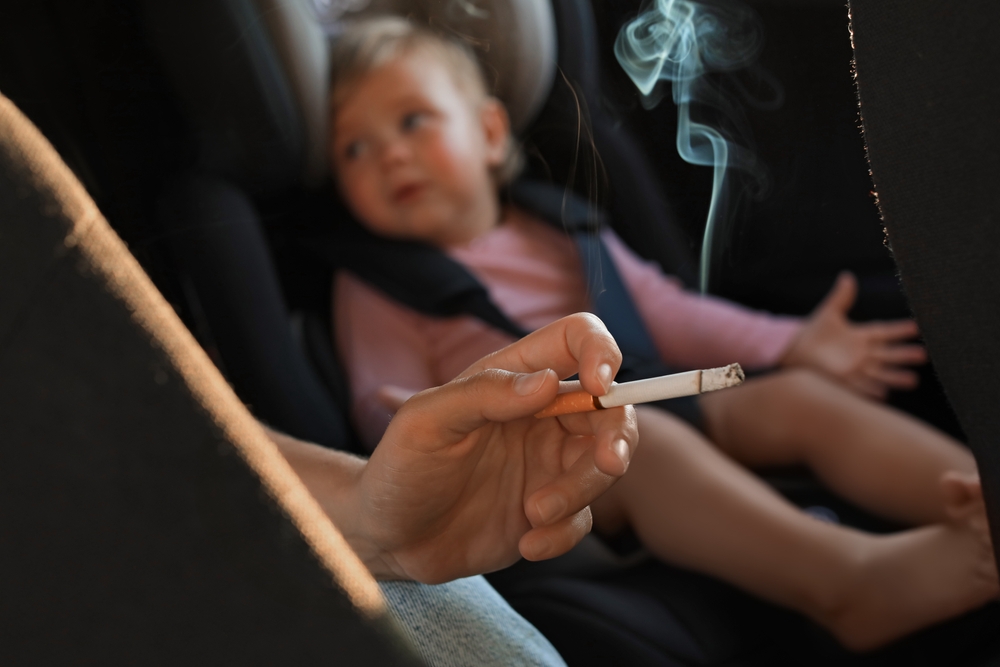
The study also identified differences between demographic groups. Women reported greater awareness of health risks and were more likely to adopt protective behaviours, while people living in rural areas generally recorded lower scores across knowledge, attitudes, perceptions and protective practices. Smokers also demonstrated lower levels of air quality knowledge and weaker perceptions of pollution risks than non-smokers.
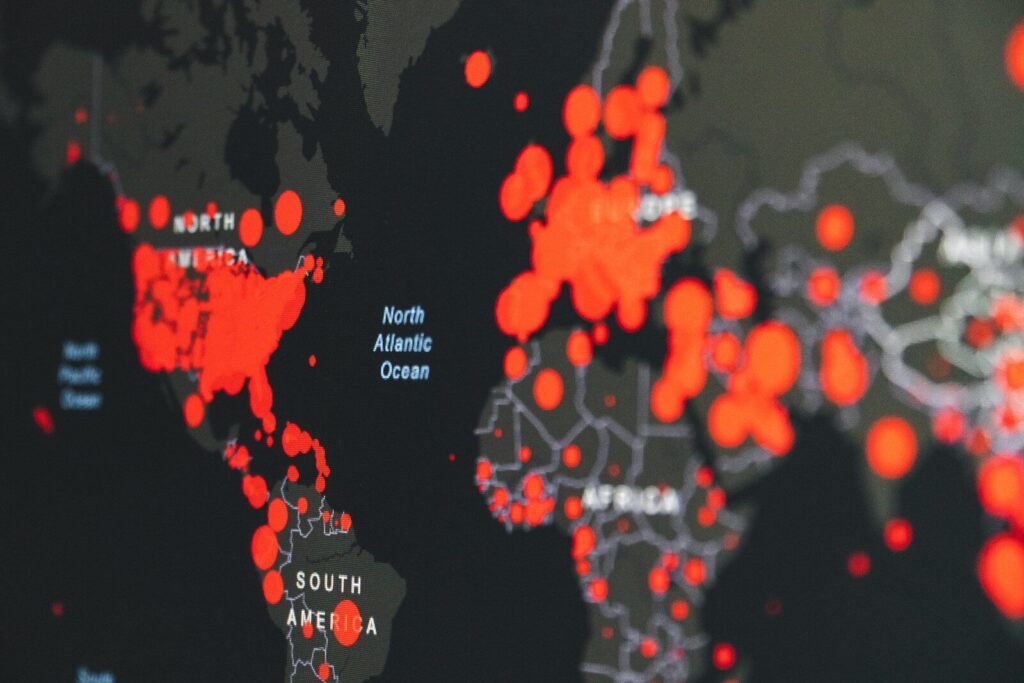
Pollution levels varied considerably between countries. Bangladesh recorded the highest average PM2.5 concentrations during the study period, followed by India and Pakistan, while the United States had the lowest average levels among the countries included.
The researchers argue that improving public knowledge should be a key component of air quality policy, alongside efforts to reduce emissions. They suggest targeted education campaigns could help ensure that communities facing the highest pollution burdens are better equipped to understand air quality information and adopt effective protective behaviours.
The study concludes that tackling air pollution requires more than environmental regulation alone. Strengthening public awareness, particularly among vulnerable populations, could improve health outcomes and increase support for measures aimed at reducing air pollution exposure.
Photo: Serzill Hasan
Leave a Reply