













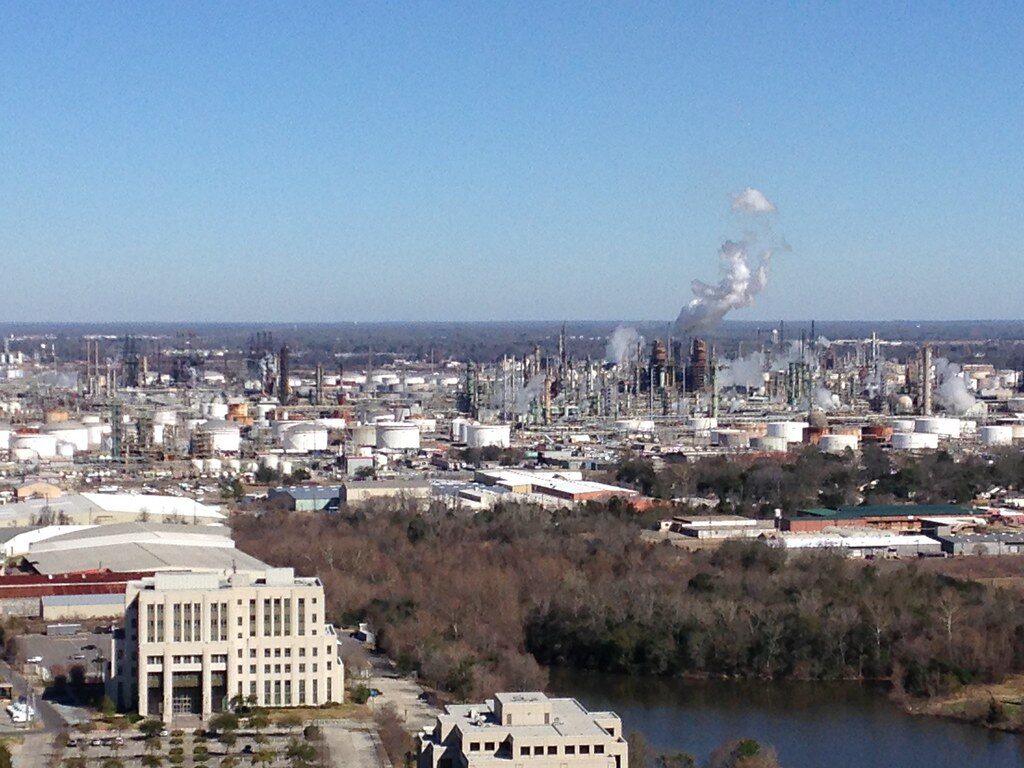





Exposure to air pollution may be linked to a higher risk of suicide, suicide attempts and suicidal thoughts, according to a new systematic review and meta-analysis by researchers at Queen’s University Belfast.
Researchers examined 45 studies investigating the relationship between environmental pollution and suicidal behaviour. Of these, 29 were included in a statistical meta-analysis. The research looked at four types of environmental exposure: air, noise, light and water pollution.

The strongest evidence concerned air pollution. The researchers found statistically significant associations between short-term exposure to PM2.5, and PM10, and the combined risk of suicide, suicide attempts and suicidal thoughts.
For every 10 μg/m³ increase in short-term PM2.5 exposure, the pooled odds of these outcomes increased by around 1.4%. For PM10, the increase was around 1%.
The study also found associations with longer-term exposure. A 10 μg/m³ increase in long-term PM2.5 exposure was associated with around a 53% increase in the odds of suicide, suicide attempts or suicidal thoughts. Long-term exposure to nitrogen dioxide (NO2) was also associated with increased risk, with the odds rising by around 32% for each 10 parts per billion increase.
When researchers restricted their analysis to studies judged to have a lower risk of bias, only long-term PM2.5 and short-term NO2 remained statistically significant. When they also focused on individual suicide outcomes rather than combining suicide, attempts and suicidal thoughts, only short-term NO2 remained statistically significant.
Evidence for other forms of pollution was less clear. The researchers found no statistically significant association between noise pollution and suicidal behaviour in their meta-analysis, although the results suggested a possible small positive relationship. Findings on water pollution were inconsistent, while there was too little research to conduct a meaningful meta-analysis of light pollution.
The researchers suggest several possible explanations for the findings. Air pollution has been linked to inflammation and effects on the nervous system that could influence brain function, mood and the ability to cope with stress. Noise and light pollution may also affect stress levels and sleep through disruption to circadian rhythms.
The researchers stress that the findings show associations rather than proving that pollution directly causes suicidal behaviour, however, they conclude: ‘These findings bring to attention the critical importance of recognising environmental exposures as modifiable risk factors within suicide prevention efforts.
‘Integrating environmental health into mental health policy, through cross-sectoral collaboration, pollution reduction strategies, and targeted public health interventions, could play a vital role in reducing suicide risk and improving overall population mental wellbeing.’
The full research can be read here.
Photo: K. Mitch Hodge
Leave a Reply