













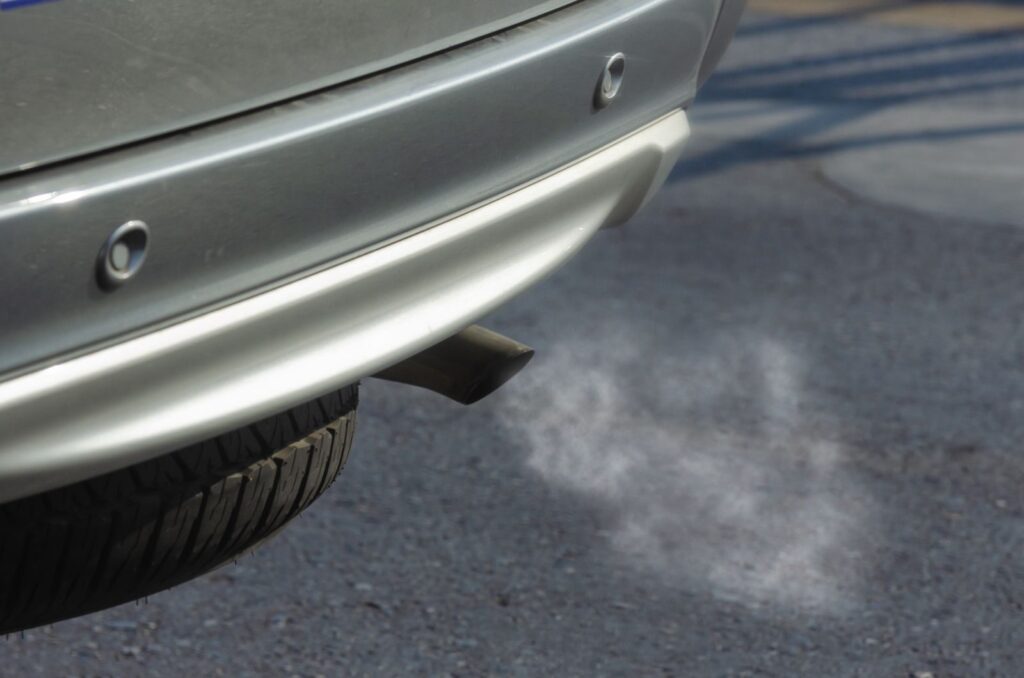



Poor air quality may significantly worsen health outcomes for people living with cystic fibrosis (CF), according to a new evidence review that highlights growing concerns over the impact of both outdoor pollution and climate change on the condition.
Commissioned by the Cystic Fibrosis Trust, the review examined existing research into how environmental factors affect people with CF. Although the evidence base remains relatively small, researchers found consistent links between poorer air quality and a range of adverse health outcomes, including faster lung function decline, more frequent hospital admissions, increased pulmonary exacerbations and a greater risk of acquiring serious lung infections.
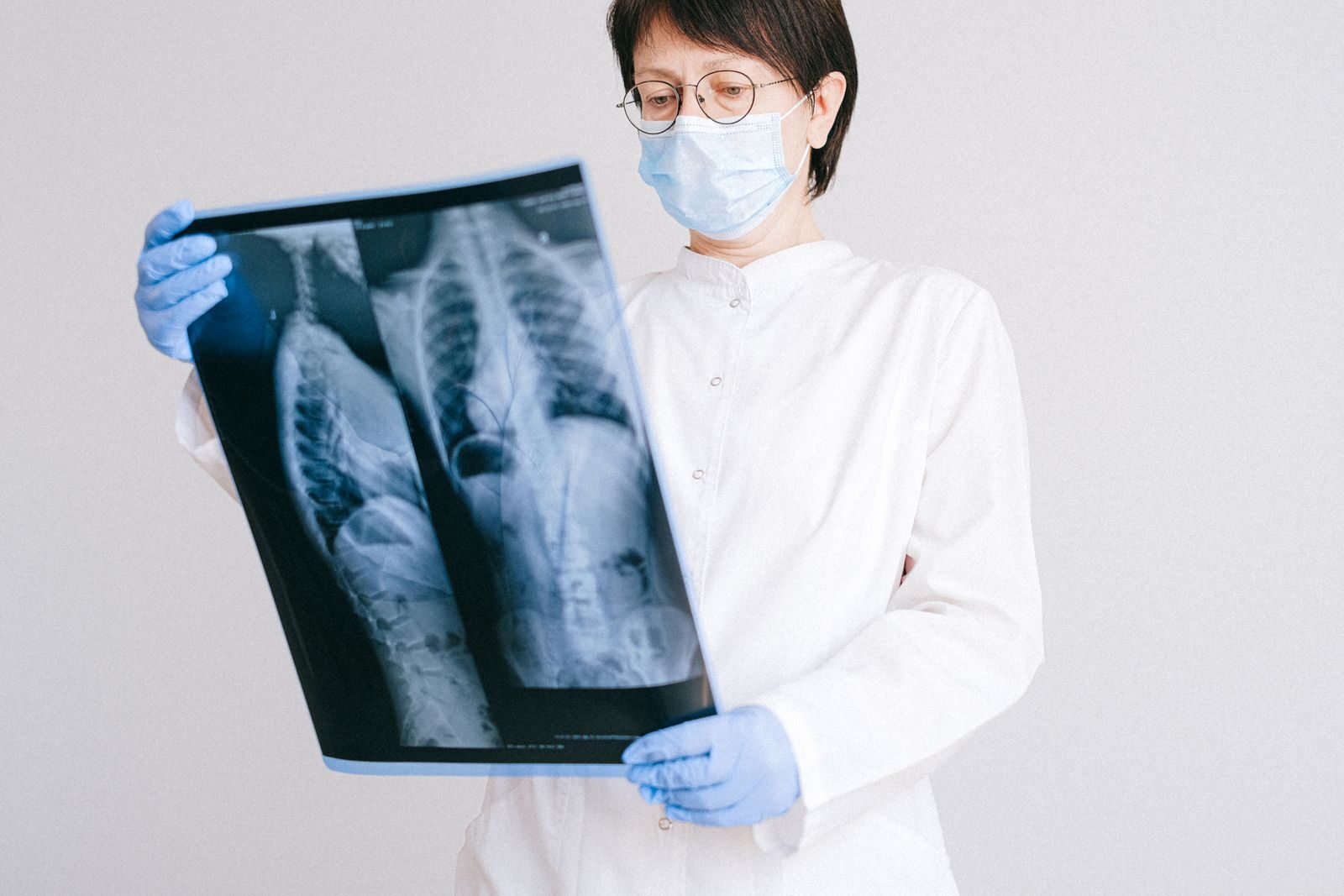
Cystic fibrosis affects the consistency of mucus in the lungs, making it far thicker and stickier than normal. This creates two problems: the mucus is harder for the body to clear naturally, and it provides an environment where bacteria can become trapped and multiply, leading to infection.
Because people with cystic fibrosis experience lung infections more frequently than others, they are also particularly vulnerable to the damaging effects of poor air quality.
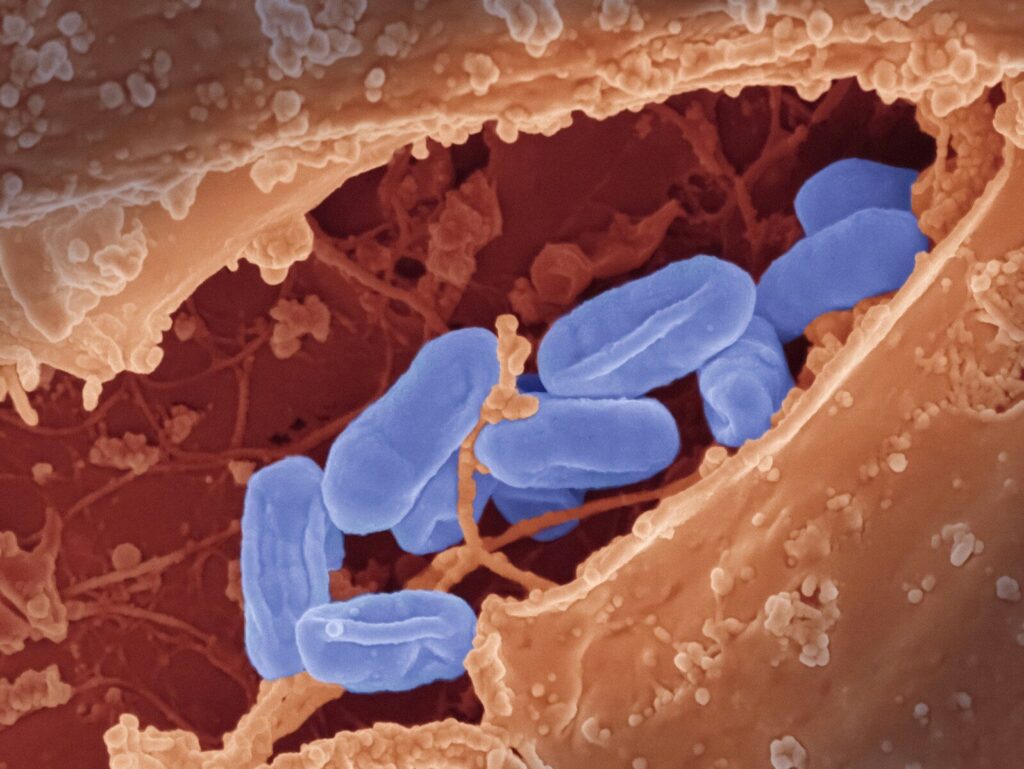
The review found that exposure to higher levels of PM2.5 was associated with an increased risk of infection from Pseudomonas aeruginosa and MRSA – two bacteria that can be particularly difficult to treat in people with CF and are linked to poorer long-term health outcomes.
Researchers also identified evidence suggesting that rising temperatures associated with climate change may increase health risks for people with CF. Warmer conditions were linked to lower lung function, a higher risk of certain respiratory infections and low sodium levels in infants, raising concerns that climate change could further increase vulnerability in the future.
The Trust introduce us to Ben and Alix, whose two children, one of whom, Rufus has cystic fibrosis. They moved from West Yorkshire to the seaside so that Rufus would have cleaner, sea air to breathe. They said: ‘We’d never consciously thought about the air quality, we’d lived with it. Rufus hated using the nebuliser and we worried about him playing in mud and near trees (due to risk of serious infection). I’d read about surfers in Australia being way healthier, not just because they were active but because they were in the sea air.
‘We moved here for his health and incorporated being on the beach, no matter the time of year, as part of his physio. We noticed straight away that he was less congested, he didn’t need nebulisers, he was getting fewer colds – or if he had one, he cleared it quicker.
‘We’re lucky we had the opportunity to move, not everybody has that. I think it’s really important for politicians to know that the policies that they’re putting in place might be a minor change to them but it can have a massive impact on people living with health conditions and CF. We need meaningful changes.’
David Ramsden, Cystic Fibrosis Trust Chief Executive said: ‘Poor air quality continues to be the biggest environmental risk to public health and those who are already vulnerable, like people with cystic fibrosis, are most affected. As our new report shows, poor air quality is causing a decline in people with CF’s lung function – leading to more time in hospital.
‘Urgent action is needed to ensure clean air is at the top of the agenda, with immediate steps to reduce pollution at the source.’
The full report can be read here.
Photo: Anna Shvets
Leave a Reply