












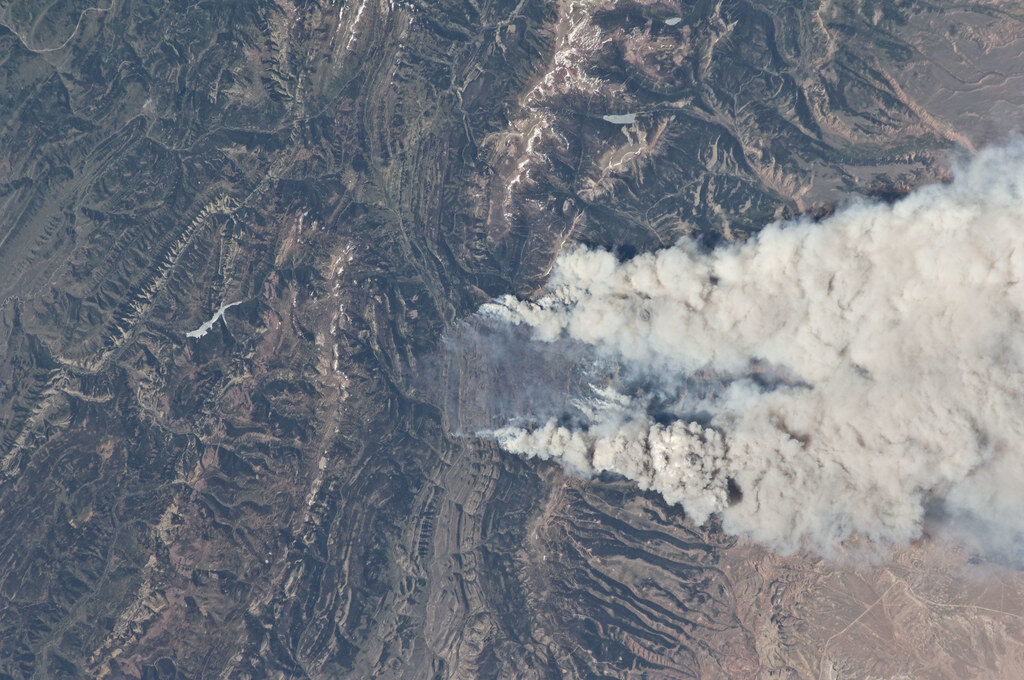


The January 2025 Los Angeles wildfires, which destroyed more than 18,000 homes, released a chemically complex mixture of pollutants that differs dramatically from conventional wildfire smoke, according to a new study in the Journal of Hazardous Materials.
Researchers from Rutgers University, UCLA and other institutions conducted an intensive field sampling campaign during the active burn period, capturing particulate matter, gas-phase pollutants and ash from the Eaton and Palisades fires.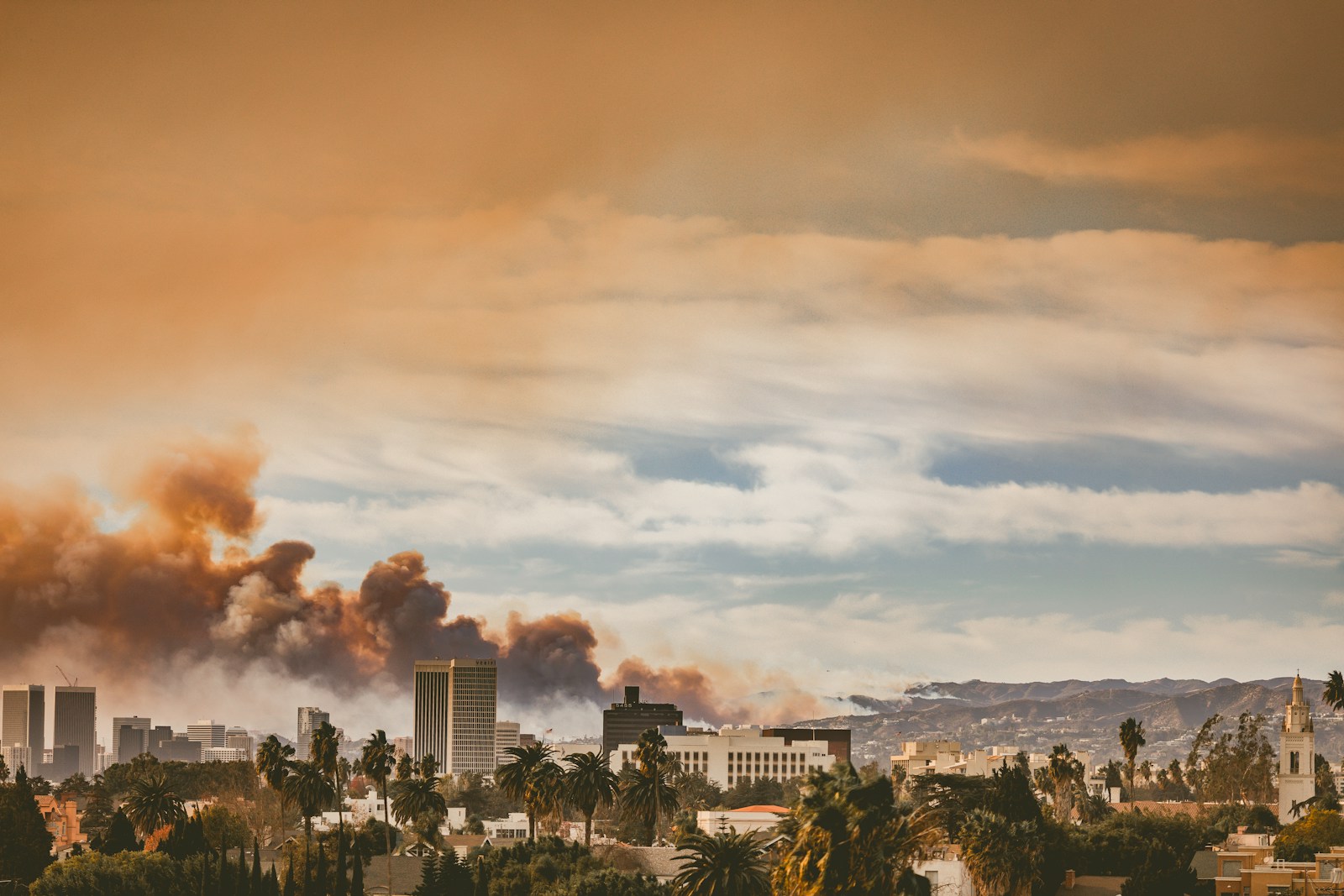
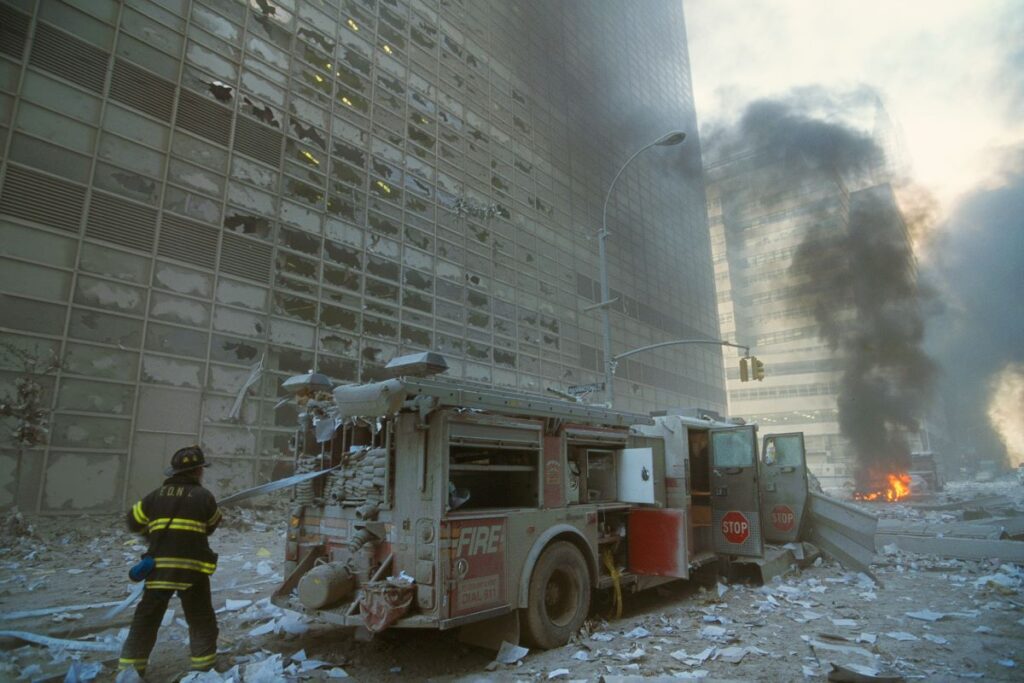
The findings paint a troubling picture of emissions from wildland-urban interface fires, where burning homes, vehicles, and infrastructure combine with natural vegetation.
While ordinary wildfire smoke is already known to harm respiratory health, the Los Angeles fires produced ultrafine particles highly enriched with non-crustal metals (metals whose presence in the air is primarily due to human activities) including zinc, copper, nickel, and lead.
Lead concentrations in the PM2.5 measured 8.4 μg/m³ – around four times higher than the annual average at a nearby EPA monitoring station.
The study also found that the ultrafine particles carried the vast majority of the toxic metals. Depending on the specific metal, these ultrafine particles held anywhere from three-quarters to nearly all of the metal pollution in the air. Compared to ordinary wildfire smoke that comes only from burning trees and brush, the levels of dangerous metals like nickel, copper, and lead were 100 to 1,000 times higher in the Los Angeles fires.
Ash samples collected from outdoor surfaces contained 28 different polycyclic aromatic compounds, many of them carcinogenic, at concentrations roughly four times higher than typical forest fire ash. The researchers also detected 28 types of PFAS (aka: forever chemicals) in the ash, with the dominant compound linked to consumer building materials and firefighting foams.
Even when overall PM2.5 mass concentrations remained relatively low – below federal air quality standards for most of the sampling period – the chemical toxicity per unit of particle mass was exceptionally high.
The study estimates that the carcinogenic potency of particulate matter from the Los Angeles fires was nearly 18 times higher than that from a major Canadian wildfire plume.
The authors argue that relying solely on PM2.5 mass concentration fails to capture the true health hazard of WUI fires, which may be substantially more toxic than ordinary wildfires or urban air pollution.
José Guillermo Cedeño Laurent, an assistant professor at Rutgers School of Public Health, said: ‘I do not want the message to be simply scary. The point is that if we want to understand the risks, we need to know the composition of the particles, not just the amount.
‘These fires leave a chemical legacy. To protect communities, we need monitoring and cleanup strategies that reflect what burned, not just how much smoke was measured.’
The full research can be read here.
Photo: Jessica Christian
Leave a Reply