



















More than 85,000 complaints about odour from landfill sites were recorded across Great Britain in just four years, new data reveals — highlighting the growing impact of the country’s waste disposal crisis on communities living near these sites.
Freedom of information requests submitted by waste management experts at BusinessWaste.co.uk to environmental regulators in England, Scotland and Wales uncovered 85,676 complaints between 2022 and 2025, an average of more than 21,000 a year. The vast majority – 76,802 – were recorded in England, with Wales accounting for 6,806 and Scotland 2,068.
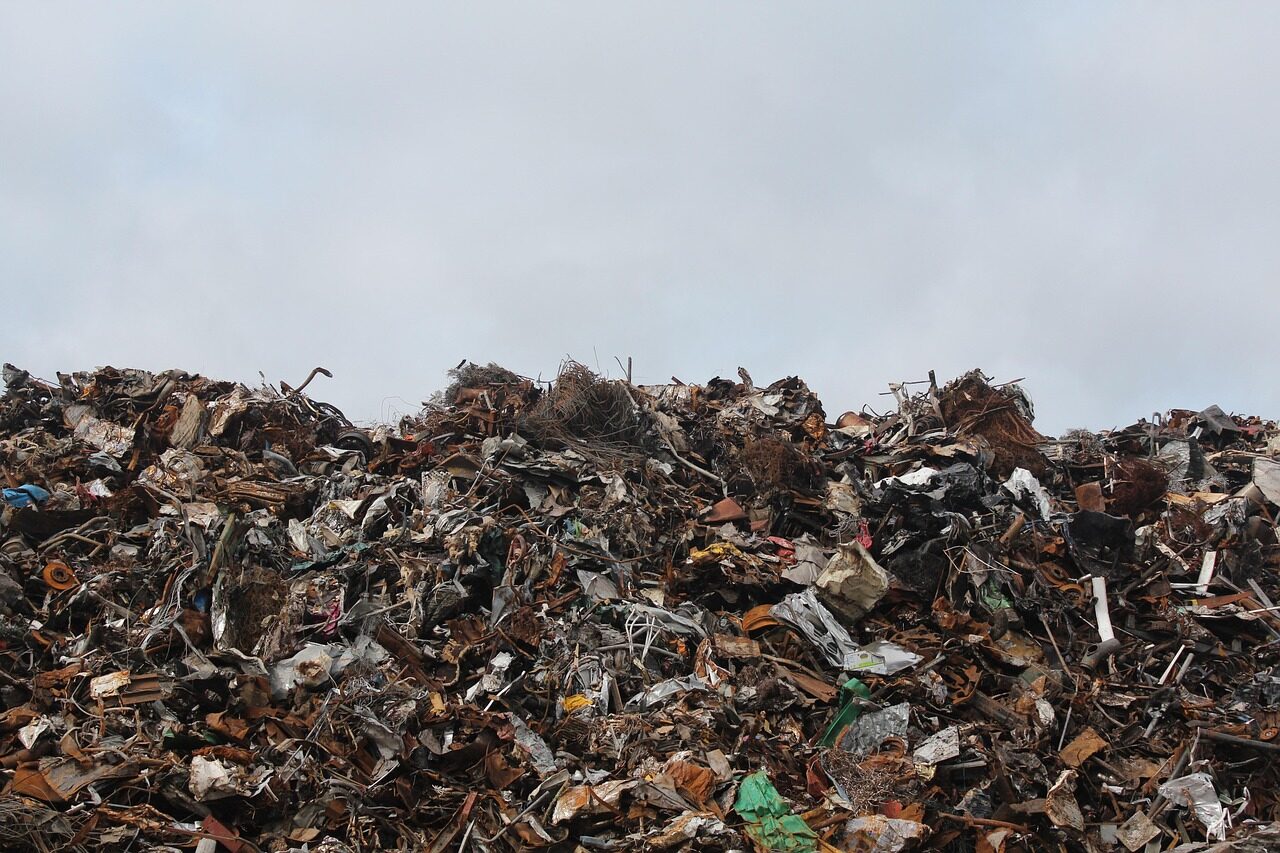
The findings come as the UK faces a serious shortage of landfill capacity, with some areas expected to run out of space within the next decade.
The smells emanating from landfill sites are caused by gases produced as waste breaks down, including hydrogen sulphide (rotten eggs) ammonia from decomposing food and garden waste, and mercaptans, which can smell like rotten cabbage or garlic. Odours tend to be strongest when fresh waste is exposed, when landfill gas escapes, or when weather conditions trap smells close to ground level.
Beyond being unpleasant, prolonged exposure can cause headaches, nausea, loss of appetite and sleep disturbance, and has been linked to longer-term stress and anxiety. For affected communities, the consequences can extend to falling property values and reputational damage to local areas.
In the short term, site operators can reduce odours by covering exposed waste more frequently, repairing gas leaks and adjusting operations according to weather conditions. But experts say the only lasting solution is to divert more waste away from landfill altogether.
Recent policy changes, including the government’s Simpler Recycling reforms which standardise the separation of food waste, plastics, paper and glass, are expected to help reduce landfill dependency over time. A deposit return scheme for drinks containers and extended producer responsibility legislation, which shifts packaging waste costs onto producers, are also in the pipeline.
Mark Hall, waste management expert at BusinessWaste said: ‘Odour is just one of the many downsides of landfilling waste, and with our landfills quickly reaching capacity, we have little choice but to minimise our reliance.
‘Diverting waste away from landfill is always the preferred option; sending waste to landfill means we often lose valuable resources that can otherwise be reused, recycled, or used to produce energy. Not only this, but landfills release pollutants into our natural environment and emit greenhouse gases.
‘We must educate both consumers and businesses on why landfill should always be a last resort. Other methods of waste disposal are often better for our environment, our health, and are usually cheaper.’
Photo: Pexels
Leave a Reply