















Tens of thousands of NHS pathology workers are being routinely exposed to unsafe levels of formaldehyde, a known carcinogen, due to poor monitoring and inadequate safety controls, researchers have warned.
An analysis of Freedom of Information (FOI) requests, published in the journal Occupational & Environmental Medicine, reveals that airborne levels of the tissue preservative exceed the European Union’s eight-hour workplace limit in 70% of NHS pathology departments across the UK.
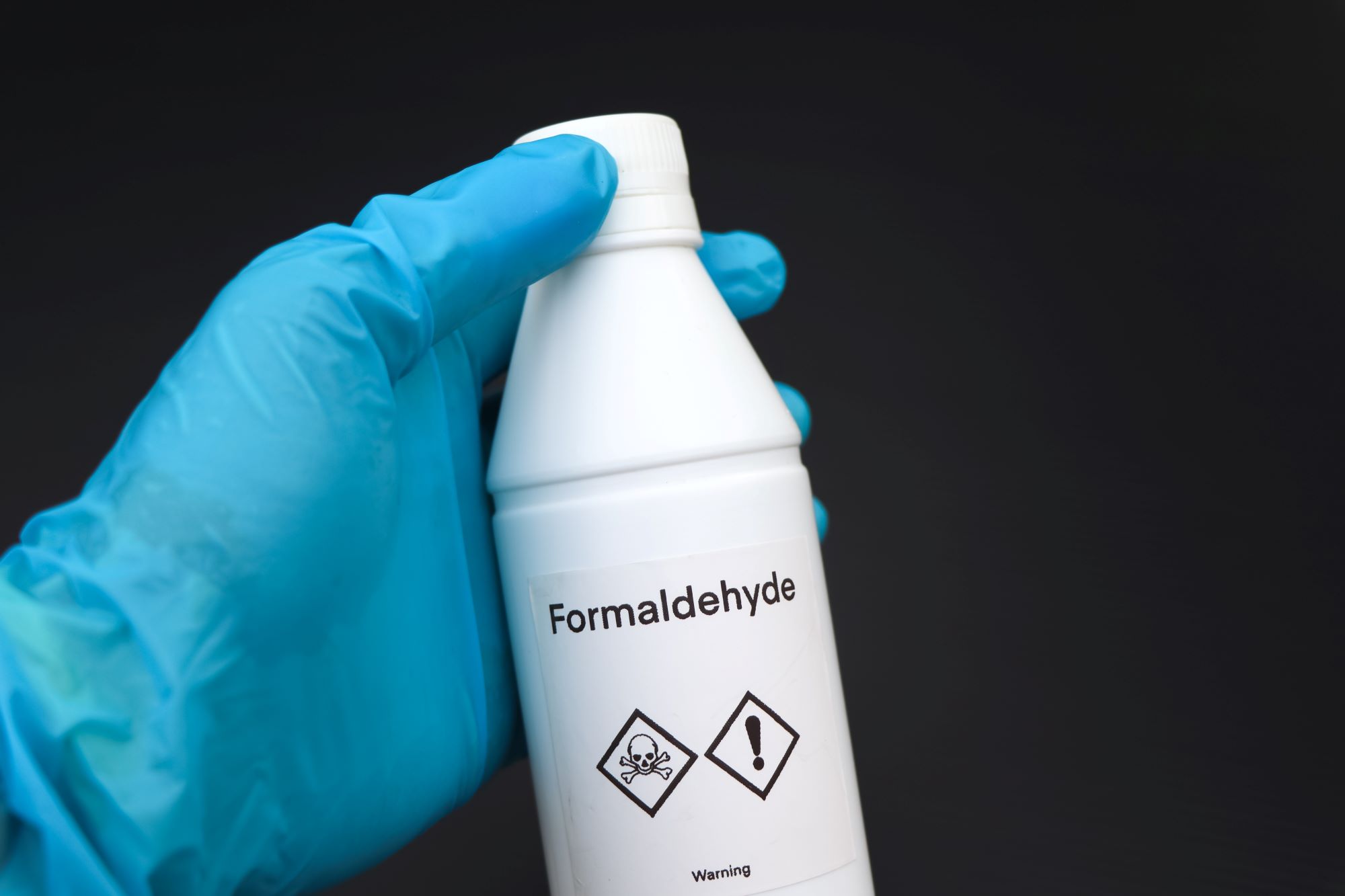
The findings have prompted urgent calls for national regulatory intervention to protect an estimated 28,000 employees working in these labs in England alone.
Formaldehyde is widely used to preserve human tissue samples for diagnostic testing. But long-term inhalation is known to cause respiratory and reproductive harm, and increase the risk of nose, throat, and blood cancers. Emerging evidence also links it to motor neuron disease and cognitive impairment.
In 2021, the EU introduced strict new binding limits: 0.3 parts per million (ppm) over an eight-hour period, and 0.6 ppm over 15 minutes. However, having left the EU in 2020, the UK was not required to adopt these standards.
In fact, it maintains the world’s highest allowable workplace exposure limit for formaldehyde – 2ppm for both short and long-term exposures.
Researchers submitted FOI requests to all 122 NHS trusts across the UK, covering 117 pathology labs. While none of the sites exceeded the UK’s 2ppm limit, nearly a third recorded levels above 2ppm at least once in the preceding 12 months. More strikingly, 70% of sites regularly breached the stricter EU long-term limit.
Despite handling tens of thousands of surgical specimens annually – an average of nearly 37,000 per lab – monitoring was dangerously infrequent. Nearly three-quarters of sites measured airborne levels once a week or less, with 15% testing only quarterly and 4% just once a year.
The researchers point out: ‘There are currently no common guidelines or standards for the control and monitoring of formaldehyde in the NHS. Based on the evidence presented, such guidelines are urgently needed.’
They are also calling for the UK’s workplace exposure limits to be aligned with the stricter EU standards, alongside upgraded infrastructure, better employee training and external oversight by the Health and Safety Executive.
Leave a Reply