

















The number of Americans diagnosed with and dying from mesothelioma continues to increase despite decades of asbestos regulation, according to a new study.
Researchers from the Sylvester Comprehensive Cancer Center at the University of Miami analysed mesothelioma incidence, mortality and disability trends across all 50 states between 1990 and 2023. Their findings, published in JCO Global Oncology, suggest that while age-adjusted rates of the cancer have fallen, the overall burden of the disease continues to grow.
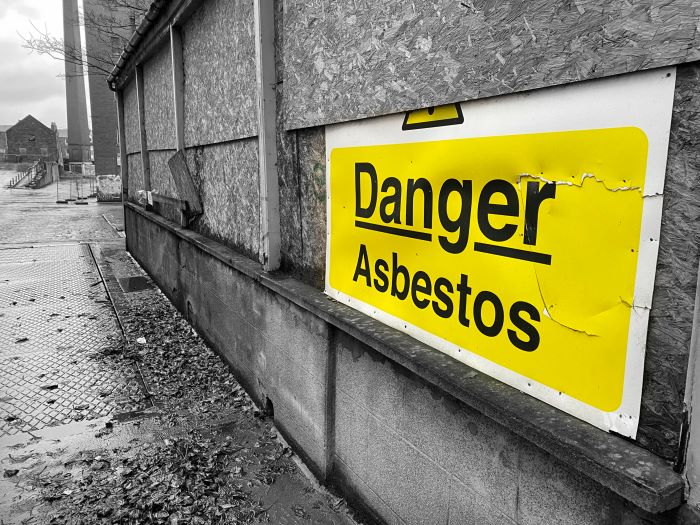
Mesothelioma is a rare and aggressive cancer most commonly linked to asbestos exposure. Although the use of asbestos has declined significantly in recent decades, the disease can take decades to develop after exposure, meaning cases continue to emerge long after contact with the material.
Chinmay Jani, M.D., chief fellow at Sylvester and co-lead author of the study said: ‘Mesothelioma behaves like a time capsule. What we’re seeing today reflects exposures that happened 30 or 40 years ago, and in some cases, exposures that are still happening in quieter, less visible ways.’
The study found that age-standardised incidence and mortality rates fell by around one-third over the 33-year period. However, population growth and an ageing population have meant that the absolute number of cases has actually increased by almost 30%, while annual deaths also rose. The disease burden, measured through disability-adjusted life years, increased by 14%.
Researchers also identified widening differences between men and women. While incidence and mortality rates declined significantly among men, reflecting reduced occupational exposure in industries such as shipbuilding and construction, progress among women was far less pronounced. Female incidence increased in 20 states and mortality rose in 18 states, particularly across parts of the Midwest and Appalachia.
Estelamari Rodriguez, clinical research lead of the Thoracic Oncology Site Disease Group at Sylvester said: ‘For women, mesothelioma often doesn’t come with a neat occupational history. Environmental exposure, para‑occupational exposure from family members and legacy asbestos in schools, homes and public buildings likely play a much larger role.’
The study also found a significant regional variation. Maine, Alaska, Washington and Minnesota recorded some of the highest incidence and mortality rates in 2023, reflecting factors including historic shipbuilding industries, mining activity and naturally occurring asbestos.
Perhaps most concerning, researchers found little evidence that survival rates have improved significantly. The study’s mortality-to-incidence ratio remained close to one throughout the study period, indicating that most people diagnosed with mesothelioma still die from the disease despite advances in treatment.
Gilberto Lopes, M.D., Sylvester’s chief of medical oncology said: ‘From a patient’s perspective, this is the hardest messag. Despite all our scientific advances, mesothelioma remains one of the most lethal solid tumors.’
96% of mesothelioma deaths in 2023 were linked to occupational asbestos exposure. The researchers argue that reducing future cases will require continued efforts to remove asbestos from older buildings and infrastructure, alongside investment in more effective treatments for those diagnosed with the disease.
Lopes added: ‘Mesothelioma reminds us that prevention and treatment are inseparable. We have to keep people from being exposed in the first place, while also doing better for those who are diagnosed.’
The full research can be read here
Photo: Shutterstock
Leave a Reply