













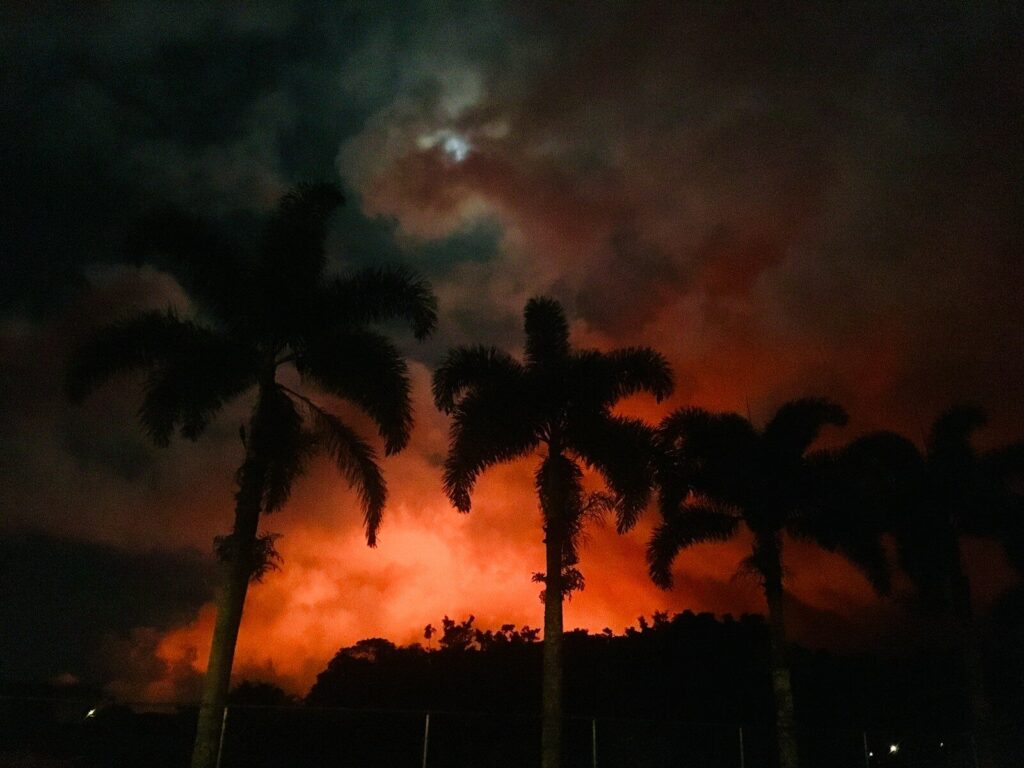

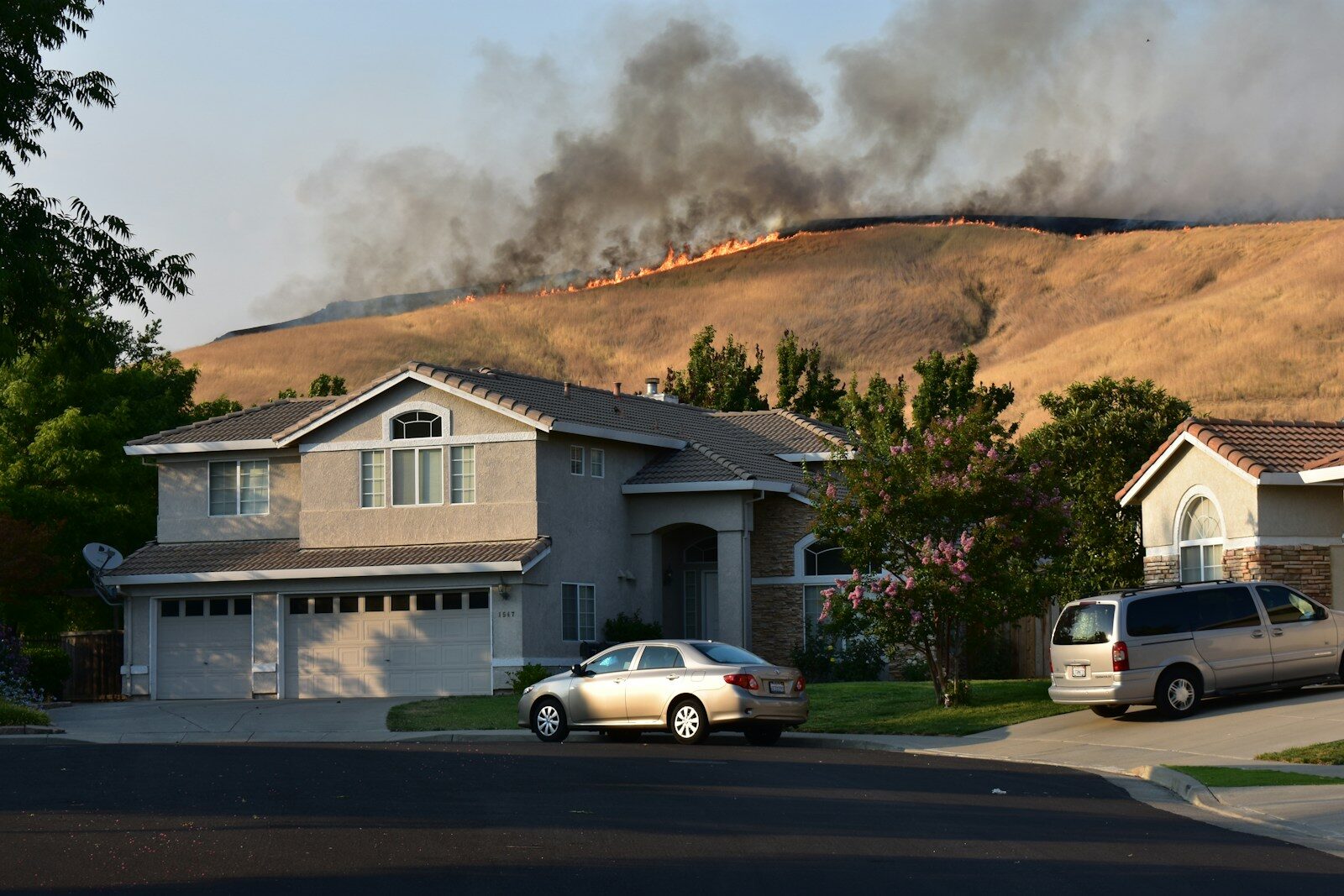
Wildfire smoke has become the largest contributor to unhealthy levels of fine particle air pollution experienced by pregnant women in the United States, according to new research.
The study found that while overall exposure to PM2.5 declined substantially between 2003 and 2019, smoke from wildfires accounted for an increasingly large share of the pollution that remained, reducing some of the gains achieved through cleaner vehicles, industry and air quality regulations.
Researchers analysed around 64.5 million pregnancies across 2,842 counties in 48 US states. Using computer models, they estimated prenatal exposure to PM2.5 and calculated how much of that pollution came from wildfires.
The results showed that average daily prenatal exposure to PM2.5 from all sources fell by around 34% during the study period. However, when wildfire smoke was excluded, the decline was steeper at approximately 37%, indicating that increasing wildfire pollution had offset some of the overall improvement in air quality.
The contribution of wildfires to total prenatal PM2.5 exposure more than doubled over the study period, rising from around 3.7% in 2003 to 8.2% by 2019.
Menglu Liang, an assistant clinical professor at the University of Maryland, said: ‘Wildfire pollution burdens were highest for low-income, rural, American Indian and Alaska Native communities and areas with shortages of maternity care services.’
The researchers also examined the number of days when PM2.5 concentrations exceeded 35 µg/m³, the threshold the US Environmental Protection Agency considers unhealthy. By the end of the study period, they estimated that about 65% of these high-pollution days experienced during pregnancy were attributable to wildfire smoke.
Previous research has linked exposure to PM2.5 during pregnancy with adverse health outcomes, including premature birth and low birth weight. The authors note that a growing body of evidence suggests particles produced by wildfires may be more harmful than equivalent levels of PM2.5 from other pollution sources.
The study also found differences in exposure between communities, examining factors including ethnicity, income and whether people lived in urban or rural areas.
The study covered pregnancies up to 2019 and therefore does not include more recent major wildfire seasons, including the extensive western US fires in 2020 and the widespread Canadian wildfire smoke that affected much of the eastern United States in 2023. The researchers say further studies are needed to determine whether wildfire smoke has continued to account for an increasing proportion of prenatal air pollution exposure.
Laing said: ‘The central contribution of this work is a shift in perspective. Prior research has mapped very well where wildfire smoke occurs, but public health resources are allocated to populations, not to acres. With these results, we can begin to answer who is exposed and where they live. We need this information to target interventions and allocate resources fairly.’
The full research can be read here.
Photo: Adam Young
Leave a Reply