
















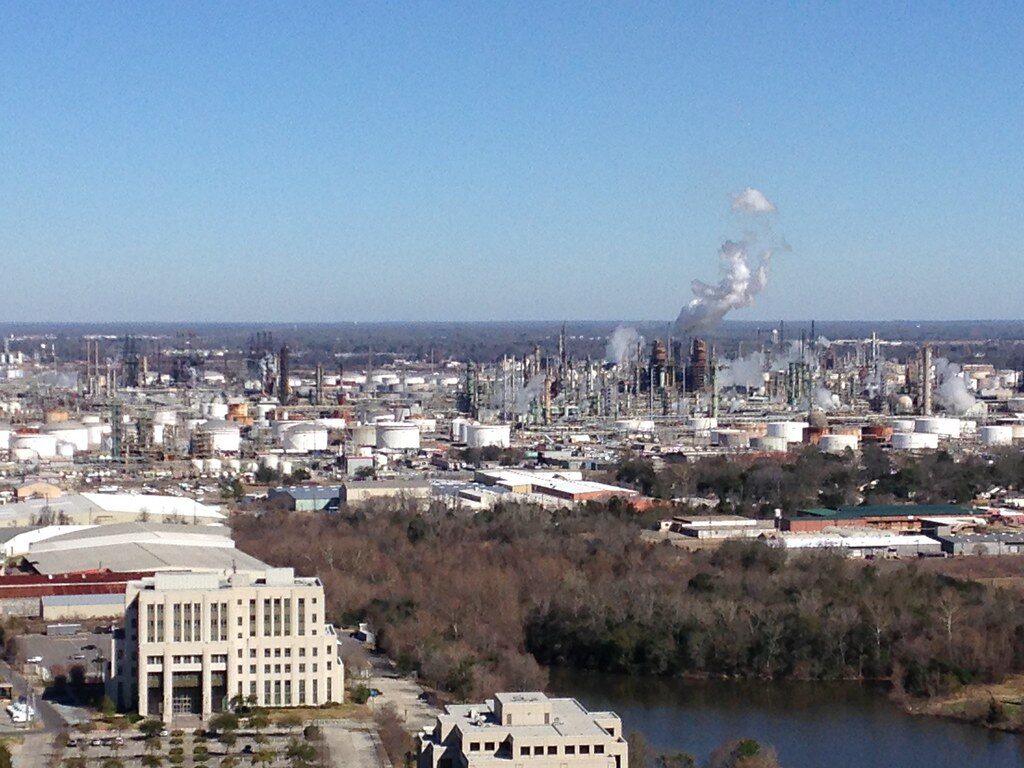


Air pollution may increase the risk of serious bacterial infections in different ways, depending on the type of bacteria living in a person’s airways, new research suggests.
Scientists from the Wellcome Sanger Institute, the National Institute for Communicable Diseases in South Africa, the Barcelona Supercomputing Center and collaborators studied Streptococcus pneumoniae, a common bacterium found in the nose and throat.
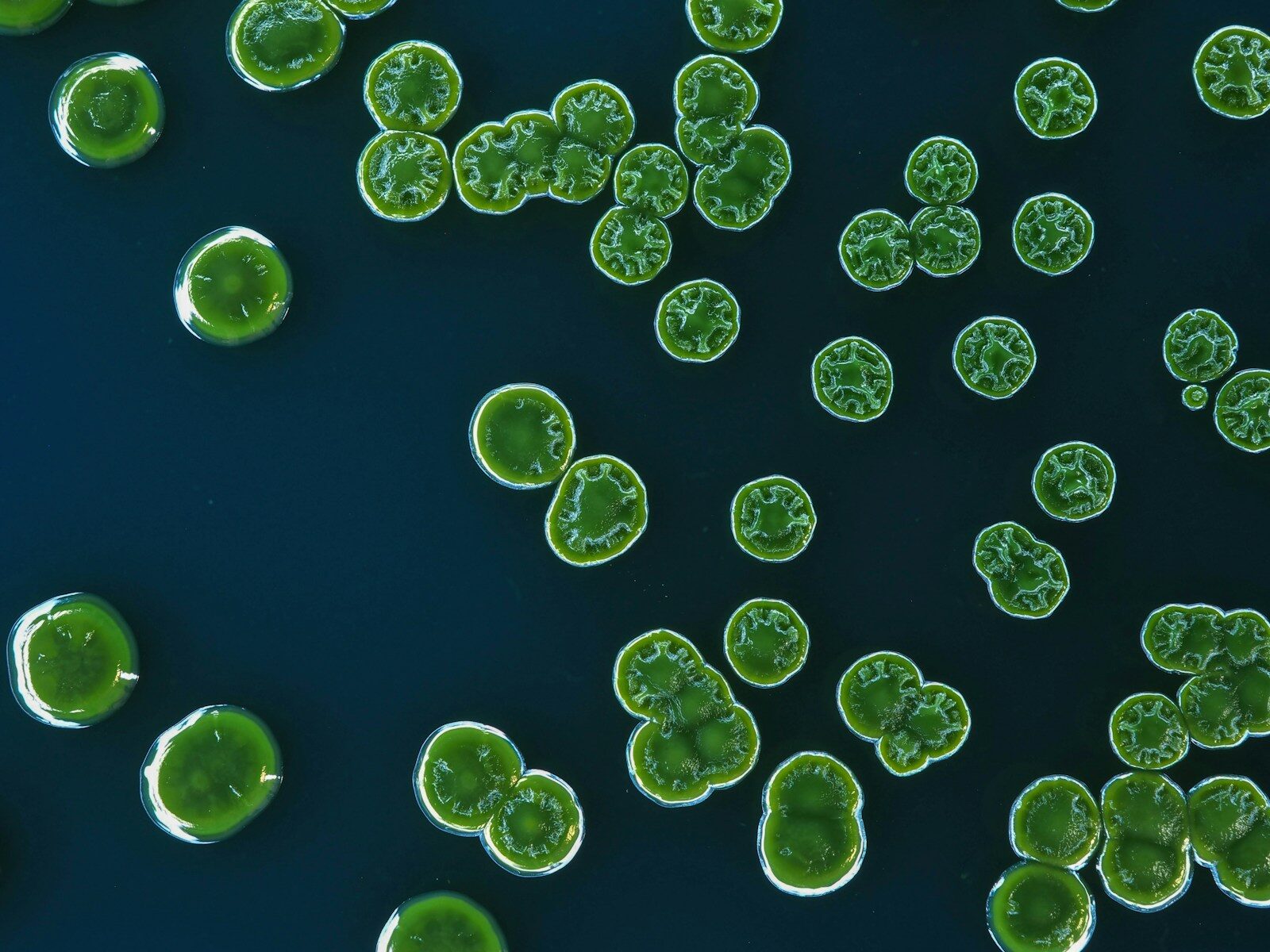
Most people who carry the bacterium do not become ill. However, if it spreads into the lungs or bloodstream, it can cause serious infections including pneumonia, sepsis and meningitis.
The study, published in Nature Microbiology, analysed almost 59,000 cases of invasive pneumococcal disease recorded in South Africa over 19 years.
The researchers found that different subtypes, known as serotypes, appeared to respond differently to periods of increased air pollution. Three types – 14, 19A and 8 – were associated with the greatest increase in infection risk following exposure to air pollution.
The timing of the increased risk also varied. Overall, the highest risk of serious infection occurred around two weeks after exposure to higher levels of air pollution. However, in areas where certain strains were common, including types 4, 8, 23F and 19F, cases increased within the same week.
The researchers took factors such as temperature, humidity and population density into account to make sure the relationship with air pollution was measured as accurately as possible.
They also found that temperature appeared to influence when infections occurred. High temperatures were associated with an immediate increase in cases, while cold weather was linked to a delayed rise in infections.
The researchers suggest that cold conditions could slow the spread of the bacteria, or that seasonal viral infections may damage the airways and make it easier for bacterial infections to take hold.
Older people and young children appeared to be particularly vulnerable during periods of high air pollution.
Streptococcus pneumoniae is carried by almost 20% of adults worldwide, while carriage rates among children in South Africa can reach 40–60%. There are more than 100 known serotypes of the bacterium.
The researchers say understanding which strains are circulating, alongside monitoring environmental conditions, could help predict increases in serious infections.
Combining air-quality monitoring with genetic surveillance of the bacteria could eventually help health authorities prepare hospitals for potential outbreaks and inform vaccination strategies.
The findings also add to evidence that reducing air pollution could have benefits beyond respiratory health. Improving air quality may help reduce the risk of serious bacterial infections, particularly in cities and other areas where people are exposed to high levels of pollution.
Professor Rachel Lowe, co-senior author at the Barcelona Supercomputing Center and the Catalan Institution for Research & Advanced Studies, said: ‘Climate change and rapid urbanisation are fundamentally altering the environmental conditions that influence risk of infectious disease.
‘By linking long-term climate and air quality monitoring with health outcomes, this work highlights how shifting environmental patterns can amplify public health risks. Protecting communities most at risk will require cross-sector collaboration and adaptive health strategies that can keep pace with a changing environment.’
Dr Sophie Belman, first author previously at the Wellcome Sanger Institute, and Barcelona Supercomputing Center, currently Assistant Professor at Yale School of Public Health, said: ‘While we found that temperature and air pollution generally increase the risk of invasive pneumococcal diseases, such as bacterial meningitis, our research also suggests that it is the bacterial subtypes a person is carrying that modulate infection rates.
‘The strain of bacteria impacts the timing of disease and who might be more at risk depending on their respiratory microbiome, meaning that the risk is not the same in every situation or for every person. By extending our findings to other parts of the globe, we will better understand who has the highest health risk from environmental exposures, and what factors need to be addressed in different regions, such as improving air quality in cities.’
The full research can be read here
Photo: masakazu sasaki
Leave a Reply