











Air pollution increased near waste dump sites in Indonesia after China stopped importing most plastic waste in 2018, according to a new study that highlights the global environmental consequences of shifting waste trade.
The research found that China’s ban on plastic waste imports was followed by an increase in levels of PM2.5 around dump sites in Indonesia.
Prior to the ban, China was the world’s largest importer of plastic waste, receiving nearly half of all global plastic waste exports between 1988 and 2016. When the policy took effect, much of that waste was redirected to other countries in Asia, including Indonesia.
Researchers from the University of Colorado Boulder and Harvard T.H. Chan School of Public Health examined pollution levels at 356 waste dump sites across Indonesia between 2012 and 2019.
Because much of Indonesia lacks air quality monitoring equipment, the researchers used satellite data to track pollution and identify dump sites. They then applied a new statistical approach to estimate how the increase in imported plastic waste affected air quality after China’s ban took effect.
The research was led by Ellen Considine, at the Cooperative Institute for Research in Environmental Sciences at the University of Colorado Boulder, who said ‘Previous studies of the impact of plastic waste burning on air quality have been more localised, for instance by deploying an air quality monitor in a couple of locations for a few months.
‘Our approach is powerful because it allows us to look at air pollution changes over a large study region and time period and identify a connection to plastic waste imports.’
It was found that pollution levels rose most at dump sites located near areas with significant port activity, which researchers used as an indicator of exposure to imported waste. Sites with moderate to high proximity to ports experienced the largest increases in PM2.5 concentrations.
According to the analysis, monthly PM2.5 levels increased by as much as 1.68 μg/m³ at some locations during 2018 and 2019 compared with levels that would have been expected without the policy change. Across all dump sites, the average increase attributable to the shift in plastic waste flows was estimated at 0.86 μg/m³, equivalent to a 3.3% rise in pollution levels.
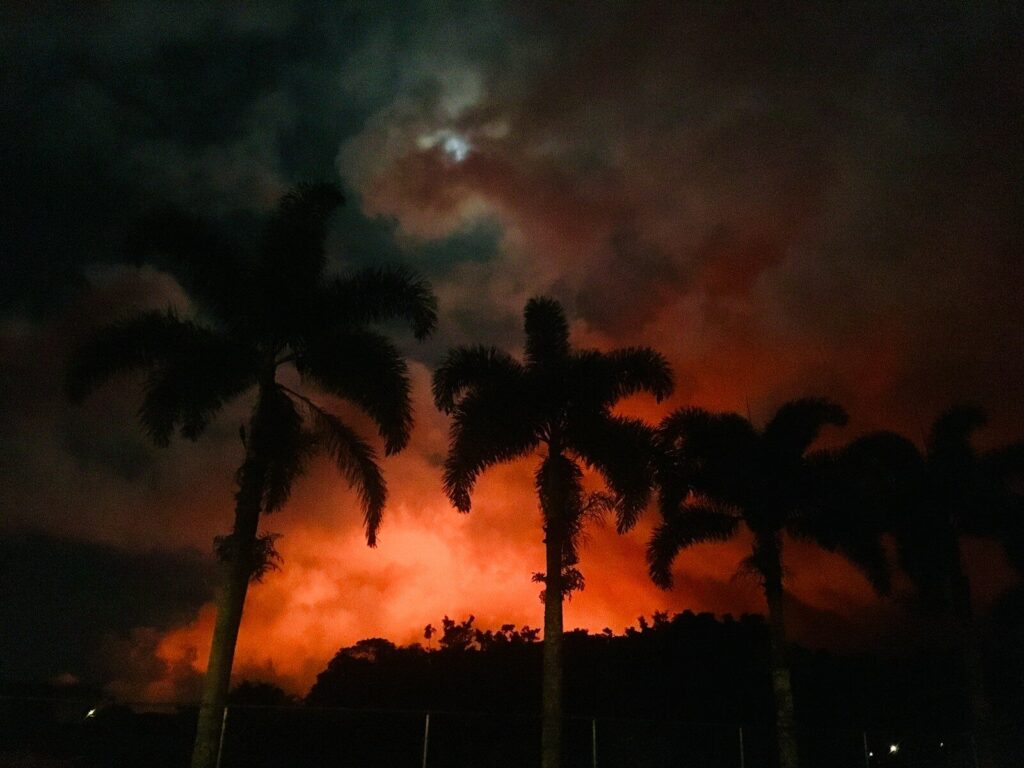
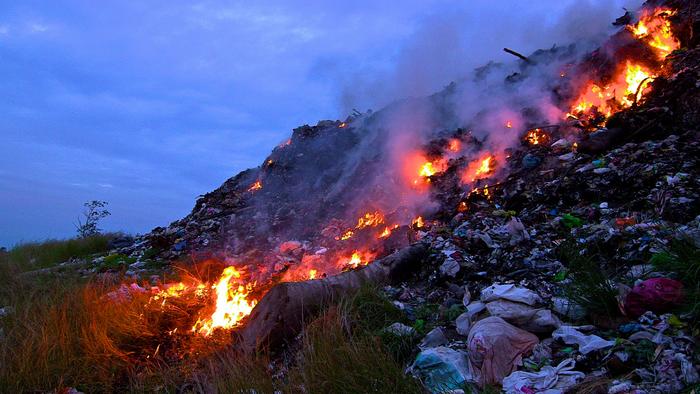
The researchers also observed a sharp increase in fires detected at waste dump sites during the same period. While the study did not directly measure plastic burning, the rise in fire activity suggests that more waste may have been burned in the open after imports increased.
Considine added: ‘When high-income countries ship plastic waste to low- and middle-income countries, more plastic waste tends to be burned. This releases air pollutants that can cause respiratory disease, cancer, or even death to local residents.’
Indonesia became a net importer of plastic waste in 2018, and previous estimates suggest that nearly half of the country’s plastic waste is openly burned, releasing pollutants that can affect both local air quality and public health.
The authors said their findings show how policies affecting global waste flows can have environmental impacts far beyond the countries where those decisions are made. They also demonstrate how satellite technology can help researchers study pollution in regions where traditional monitoring systems are limited.
The full research can be read here.
Photo: Global Environment Facility
Leave a Reply