















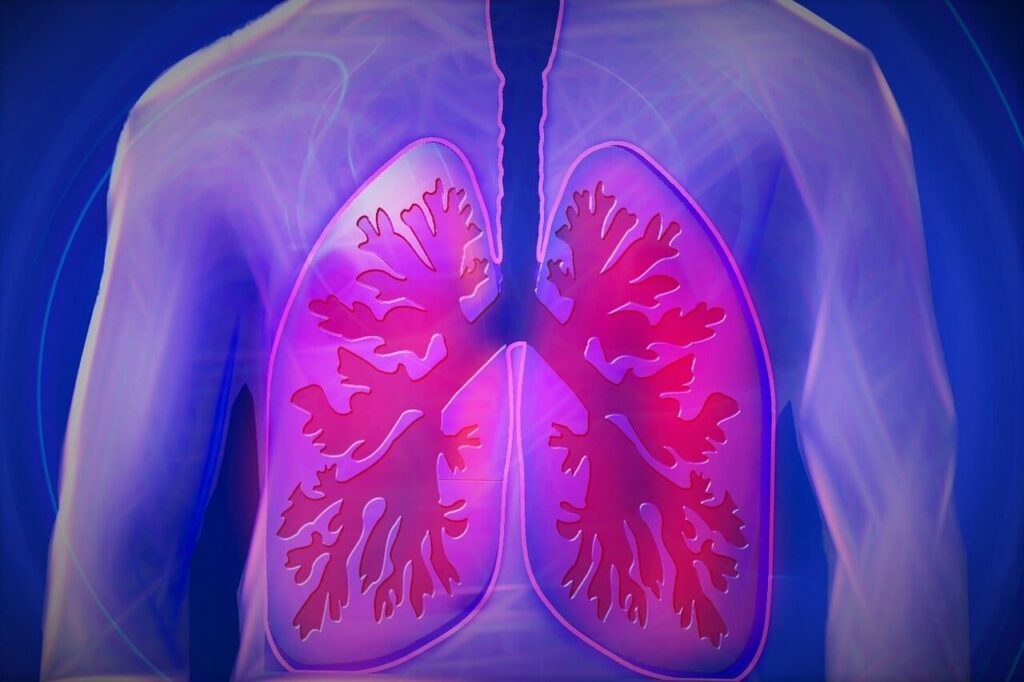



Air pollution levels considered acceptable under current federal regulations may still pose significant health risks, particularly for cardiovascular disease, according to a new review of global research published in Environmental Pollution.
Researchers at the University of Mississippi analysed 95 studies examining exposure to PM2.5, and found that health effects can occur even when pollution levels remain below limits established by the U.S. Environmental Protection Agency.
As a result, the team question whether current air quality standards offer sufficient protection to public health.
Courtney Roper, assistant professor of environmental toxicology and a co-author of the study, said: ‘In the United States, having regulations in place through the EPA allows us to track areas of nonattainment, or when the concentrations are above regulations. If we can identify that an area is above regulation, then we have the power to do something about it.
‘If we were looking to make a regulation that was just focused on human health, our reviews suggest that the regulation should be lowered because we are seeing cardiovascular impacts.’
The researchers found that 67% of the studies reviewed reported significant links between low-level PM2.5 exposure and cardiovascular disease. Exposure was associated with processes that contribute to plaque buildup in arteries, increasing the risk of blood clots, heart attacks and strokes.
James Stewart, associate professor of pharmacology and co-author of the review, said: ‘The risk is also dependent upon the source of PM2.5. Whether it’s traffic pollution or manufacturing industrial pollution, or even rural pollution, where you have harvesting or plowing generating dust, that can impact human health on so many levels.
‘We, the public, don’t recognise how detrimental it can be.’
The review also found that some groups face greater risks from low-level pollution exposure, including older adults, young children, people with existing heart conditions, low-income communities and other marginalised populations.
While the study focused specifically on cardiovascular effects, the researchers noted that the health consequences may extend far beyond the heart.
Stewart added: ‘While this article was looking only at cardiovascular effects, it doesn’t just stop there. Once it gets into the circulatory system, it can impact other organs like the liver, pancreas, kidneys or any organ that deals with blood, and blood goes everywhere.’
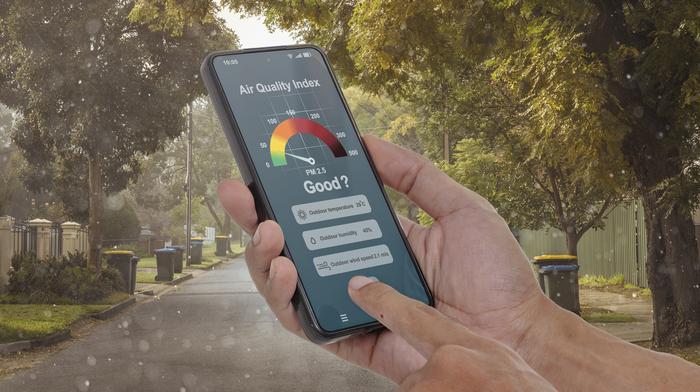
The authors encourage people, especially those in vulnerable groups, to monitor local air quality reports and take precautions during periods of elevated pollution, including limiting outdoor activity, using indoor air filtration systems and wearing N95 masks when necessary.
‘Public awareness is the next step,’ Stewart said. ‘The question is not just, “How can we treat exposure?” but “How can we prevent it?” That starts with public awareness.’
The full research can be read here.
Photo illustration: John McCustion/University Marketing and Communications
Leave a Reply