
















Almost 40% of the world’s population has been exposed to harmful levels of ground-level ozone so far this year, as extreme heat and air pollution combine to worsen air quality across much of the globe.
The finding comes from a new analysis by the Copernicus Atmosphere Monitoring Service (CAMS), which has examined global air pollution during the first eight months of 2026.
Ground-level ozone is a particularly complex air pollutant because it is not emitted directly into the atmosphere. Instead, it forms when pollutants including nitrogen oxides and volatile organic compounds react in sunlight, with high temperatures helping to accelerate the process.
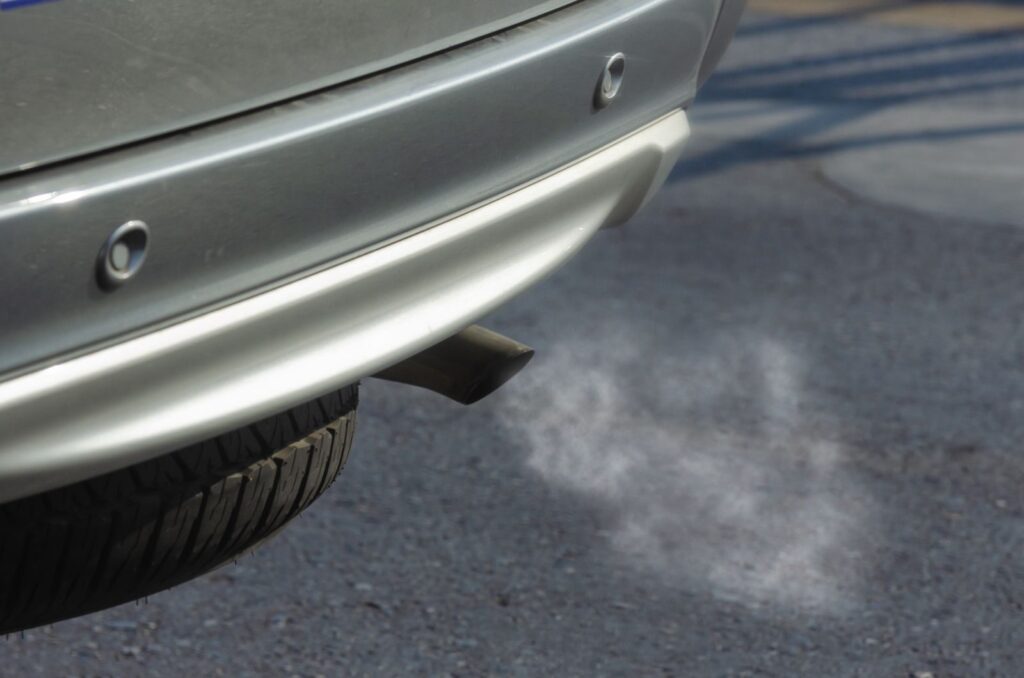
These pollutants come from sources including road transport, industry, solvents, vegetation and wildfires.
The resulting ozone can damage human health, ecosystems and crops, yet AMS says it remains less well understood by the public than pollutants such as particulate matter.
Its analysis found that only around 5% of the world’s population was exposed to ozone levels classified as ‘Good’ and within World Health Organization guidelines during the first eight months of 2026.
Asia was the worst-affected region, with 60% of its population exposed to ‘Extremely Poor’ ozone levels and around 90% exposed to ‘Poor’, ‘Very Poor’ or ‘Extremely Poor’ levels.
Europe has also experienced widespread exposure. Around half of the continent’s population was exposed to ‘Poor’, ‘Very Poor’ or ‘Extremely Poor’ ozone levels, with repeated summer heatwaves contributing to high concentrations.
In North America, more than two-thirds of the population experienced ‘Poor’, ‘Very Poor’ or ‘Extremely Poor’ ozone exposure, with emissions from extreme wildfires among the factors contributing to elevated ozone concentrations.
The relationship between climate change and ozone is particularly complicated. Ozone is itself a greenhouse gas, while hotter conditions can encourage its formation, creating what scientists call the ‘ozone-climate penalty’.
The analysis also highlights how air pollution can travel vast distances, meaning poor air quality is not necessarily caused by pollution produced locally.
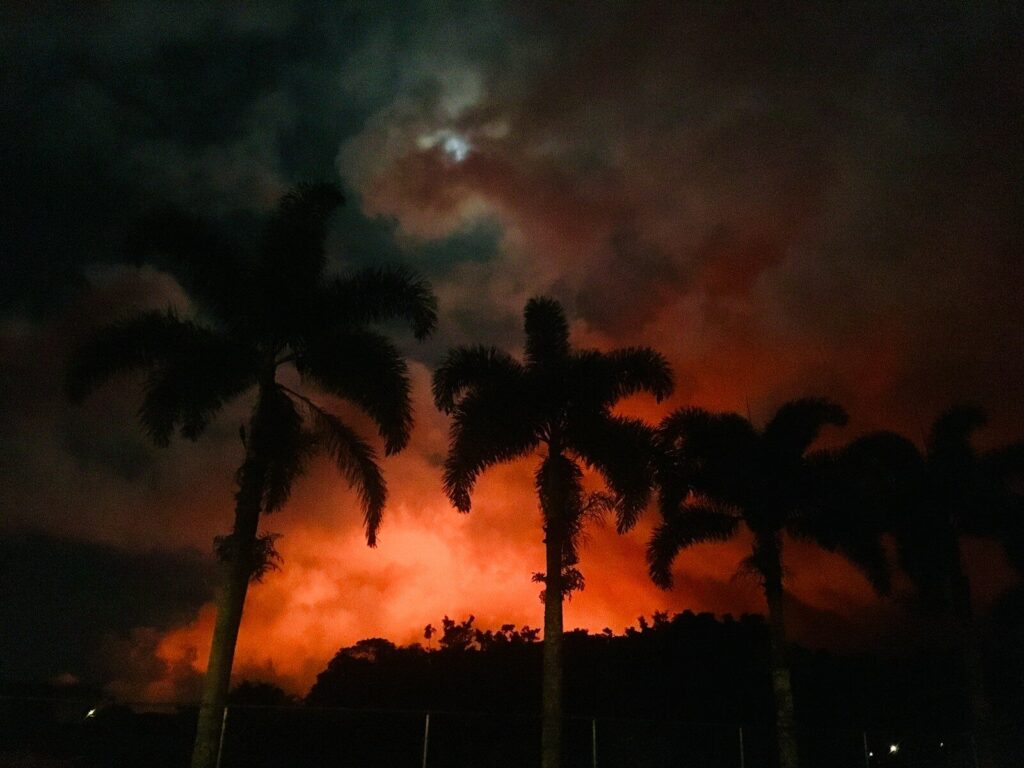
During June and July, smoke from wildfires in Canada and the western United States travelled thousands of kilometres across North America. Some smoke plumes reached the Arctic and Greenland, while others crossed the Atlantic and contributed to increased PM2.5 concentrations in parts of Europe.
Seasonal fires in Southeast Asia also produced widespread transboundary haze, affecting countries including Thailand and Laos. In Indonesia, fires in Borneo and parts of Kalimantan exposed millions of people to hazardous air pollution by mid-August.
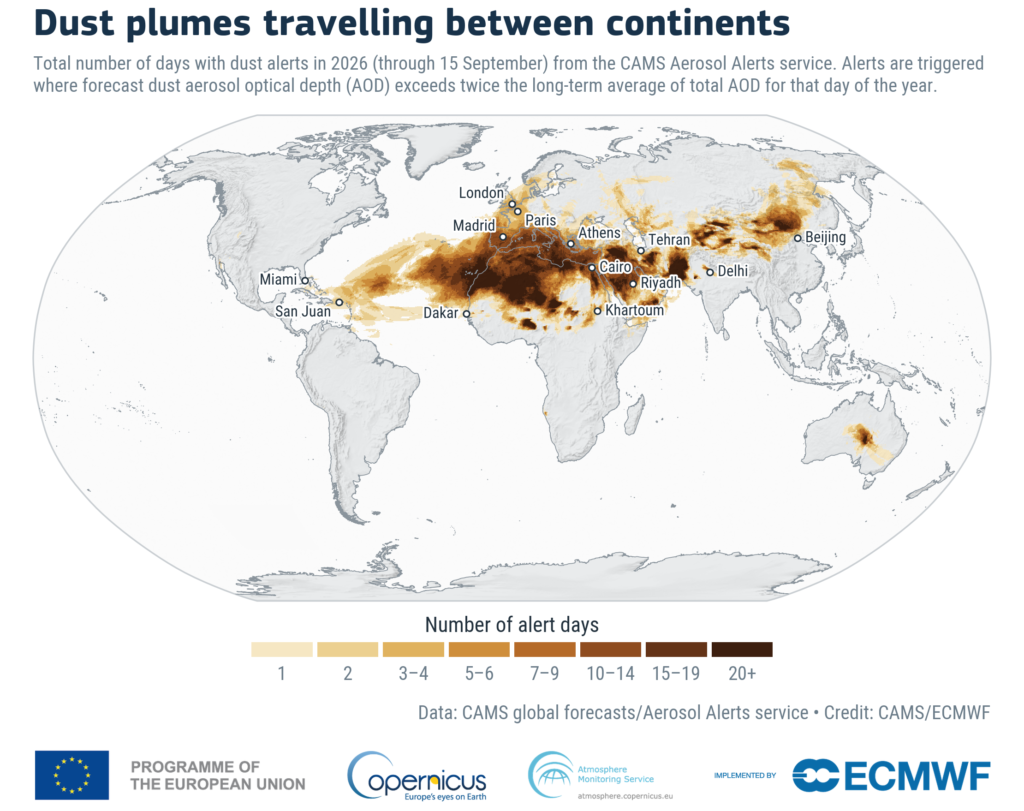
Meanwhile, dust from the Sahara repeatedly travelled across the Atlantic, affecting air quality in areas including Cape Verde, the Canary Islands and the Caribbean.
Laurence Rouil, Director of the Copernicus Atmosphere Monitoring Service (CAMS), said: ‘Ozone pollution is a stark reminder of how interconnected our atmosphere, climate, health, and livelihoods really are, with pollution and our changing climate impacting the chemistry of the air we breathe, determining the health of our ecosystems, and even governing our ability to grow food.
‘At the same time, air pollution does not respect national borders – wildfire smoke, biomass burning emissions, and Saharan dust plumes can travel thousands of miles to affect communities far from where they originated.
‘This all underlines the urgent need for global-level, evidence-led action on air quality, delivering in lockstep with action on climate. This is only possible using the type of near-real-time data highlighted today by the Copernicus Atmosphere Monitoring Service.’
CAMS combines data from satellites, ground monitoring stations, aircraft and atmospheric modelling to track more than 50 chemical ‘species’, allowing scientists to follow pollution as it moves between countries and continents, helping governments understand how emissions, wildfires, dust, weather and climate interact to affect air quality.
Leave a Reply