














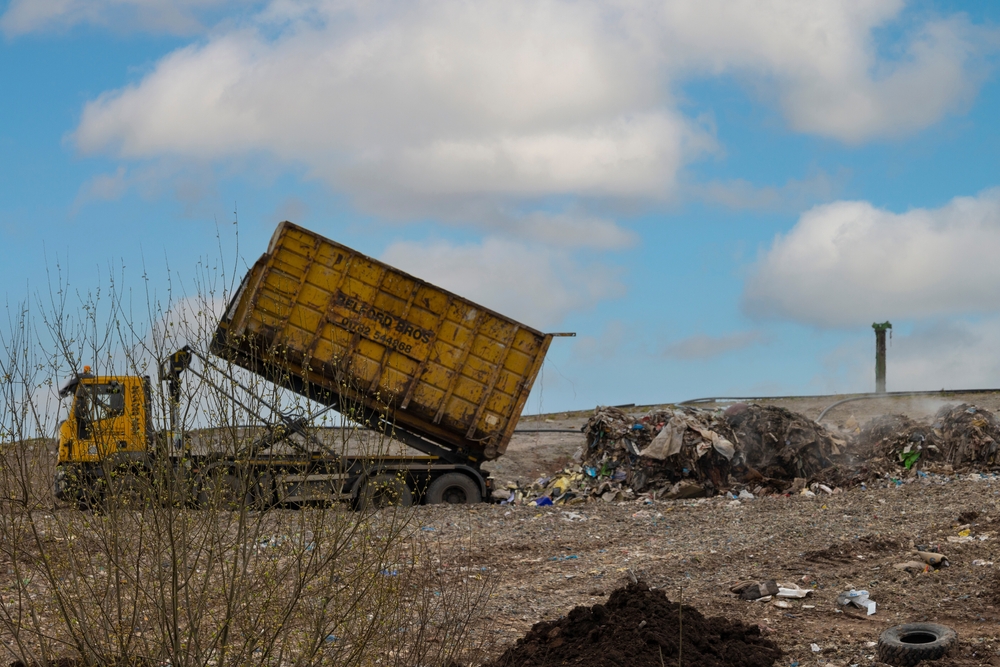




Air pollution could be putting pollinators at risk by disrupting their ability to find flowers, researchers have warned.
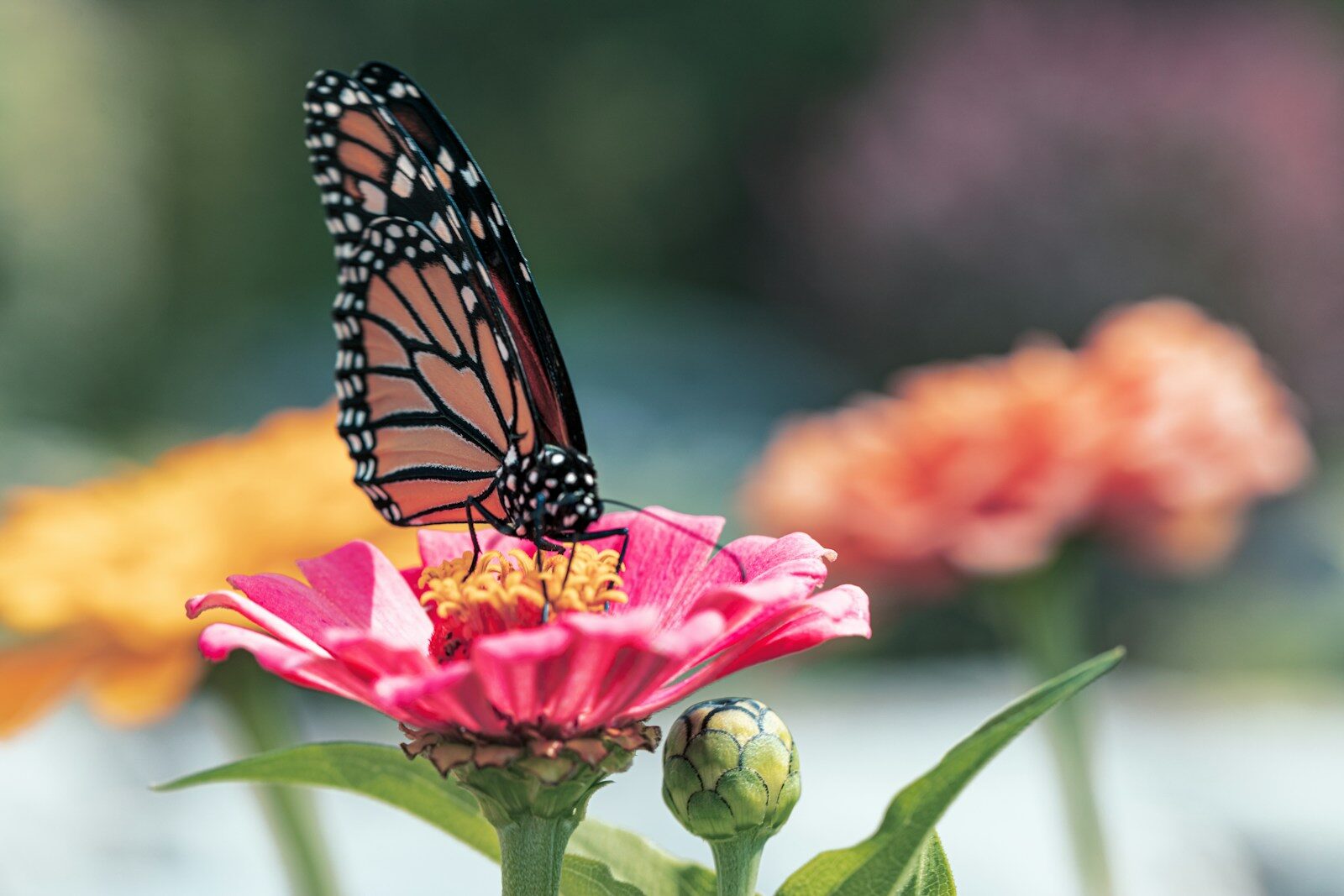
A new review of research has found that common air pollutants can significantly affect insects including bees, butterflies and other pollinators, potentially threatening the plants and crops that depend on them.
Researchers, led by the University of Reading, examined 22 studies containing 87 measurements of pollinator performance. Researchers focused on ozone (O₃) and nitrogen oxides (NOx), pollutants associated with combustion and fossil fuel use.
They found that elevated ozone reduced pollinator performance by an average of 42%, while exposure to nitrogen oxides was associated with a 46% reduction.
The biggest impact was on the insects’ ability to find flowers. Searching efficiency fell by an average of 67%, the researchers found.
This may be because air pollution interferes with the chemical scents produced by plants. Many pollinating insects use these scents to locate flowers, but ozone and nitrogen oxides can alter or break down the volatile compounds that make up floral odours.
Air pollution can also affect pollinators directly. Previous experiments have linked exposure to ozone and nitrogen oxides with impaired smell, learning and memory, metabolic stress and reduced colony health in bees.
The researchers also looked at what happens when pollutants occur together. Three studies examining combined ozone and nitrogen oxide exposure found an average 68% reduction in pollinator performance.
The effect was less than would be expected if the two pollutants simply added together, highlighting the complexity of interactions between pollutants in the atmosphere. The authors say more research under realistic outdoor conditions is needed to understand these effects.
The findings could have implications for food production, as many crops rely on insect pollination. Bees, butterflies, flies and other insects also play a vital role in maintaining wild plant populations and wider ecosystems.
The researchers warn that ozone levels could continue rising in the coming decades, creating additional pressure on daytime pollinators such as bees and butterflies. Crops including almonds and oilseed rape could be particularly vulnerable because their pollination takes place during periods when ozone levels can be highest.
Dr James Ryalls, lead author of the study at the University of Reading, said: ‘Ozone levels are projected to keep rising until around 2050, even as NOx emissions begin to fall as the world moves away from fossil fuels. This creates a difficult period for pollinators over the next two-to-three decades. Once cleaner fuels take over fully, ozone levels should decline, giving pollinators a chance to recover.
‘How quickly that recovery happens depends on the choices governments make now. Cutting NOx emissions faster, especially from diesel vehicles, could shorten the difficult period and speed up recovery.
‘Most of the food we grow depends on healthy pollinators, so protecting them from pollution cannot wait until 2050.’
The full research can be read here
Photo: amy lynn grover
Leave a Reply