













New York City’s congestion pricing scheme has been linked to a 13% reduction in fine particulate pollution in lower Manhattan during its first year, according to new research.
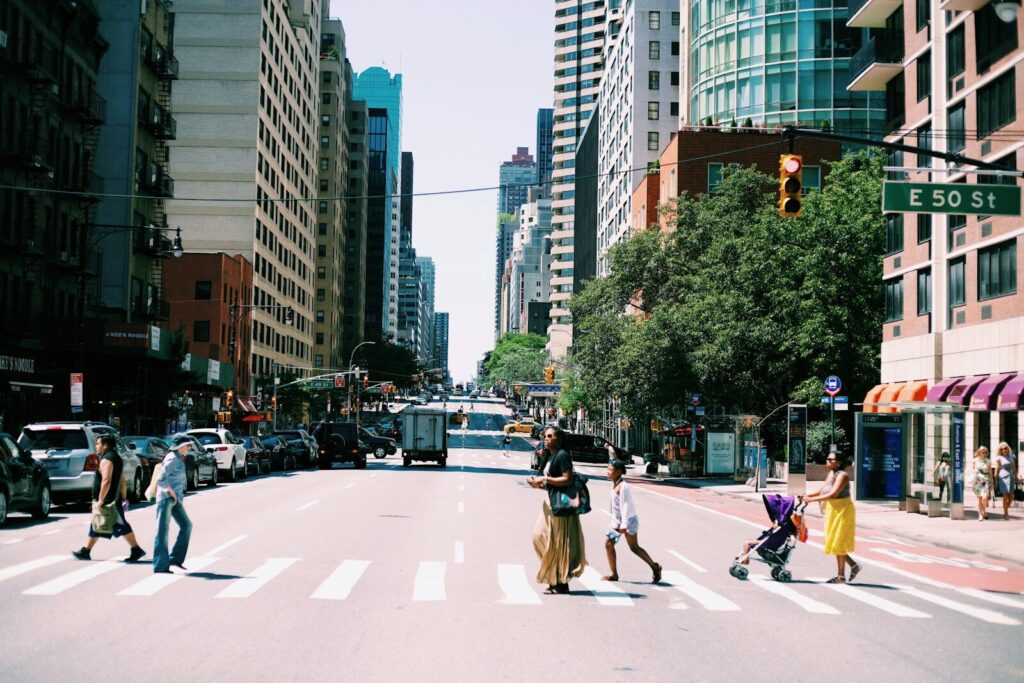
The study is one of the first year-long assessments of New York’s Central Business District Tolling Program, which began on 5th January 2025. The scheme charges most vehicles entering Manhattan south of 60th Street, with the aim of reducing congestion and raising revenue for public transport.
Researchers from Columbia Climate School analysed air pollution measurements from 15 monitoring sites across New York, traffic data from two major tunnel crossings and satellite observations of nitrogen dioxide. They compared pollution levels inside the congestion zone with those in surrounding areas, while accounting for weather, seasonal patterns and wider regional changes in air quality.
First author Polina Goldberg, said: ‘A full year of data helps us see whether changes in air quality remain consistent across all seasons and different weather conditions. Other cities have been waiting to see what happens in New York before they consider anything similar, so we wanted to get the analysis right rather than fast.’
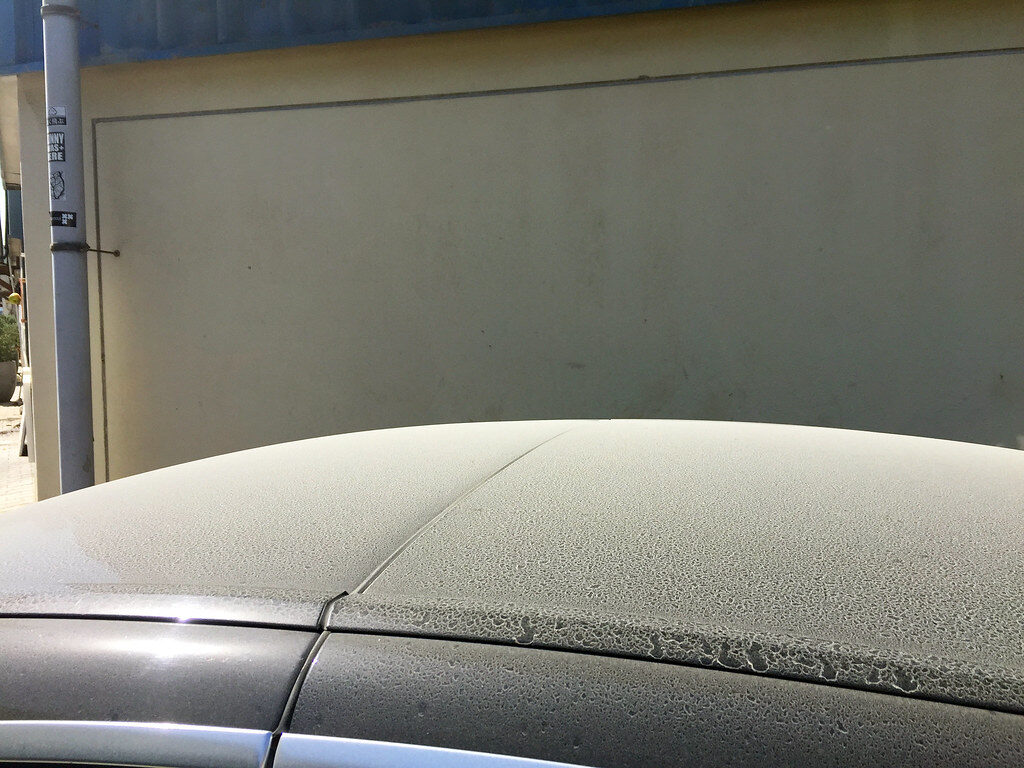
The analysis found that concentrations of PM2.5 inside the congestion zone were around 1.3 to 1.4 μg/m³ lower than would otherwise have been expected. This represented a reduction of about 13% attributable to the congestion pricing programme.
Traffic entering the zone through the Queens Midtown and Brooklyn Battery tunnels also fell in 2025 compared with the previous year. The number of vehicles dropped by around 11%, with particularly noticeable reductions during morning and evening rush hours.
Researchers said the similar falls in traffic and PM2.5 strengthened the evidence that reduced vehicle activity contributed to the improvement in air quality. Monitoring also showed fewer sharp pollution spikes during rush hours.
Daniel M. Westervelt, an associate research professor at Columbia’s Lamont-Doherty Earth Observatory and a co-author of the study, said the programme appeared to be working, although the reduction in particulate pollution was modest.
The study also examined whether pollution had increased outside the congestion zone as traffic patterns changed. Researchers identified a possible increase in PM2.5 at two sites near the Brooklyn Queens Expressway and in Mott Haven, but the increase was not statistically significant.
Satellite data showed NO2 levels fell by more than 20% across the wider New York metropolitan area in 2025 compared with a 2018-2024 baseline. However, researchers said the data could not establish that congestion pricing was responsible for the reduction, as other regional policies and factors were also likely to have contributed.
There was no evidence of an increase in NO2 in New York’s outer boroughs.
The researchers said longer-term monitoring would be needed to determine whether the improvements persist as travel behaviour continues to change.
While the study did not assess the health benefits of the reduction in PM2.5, the researchers noted that even relatively small changes in exposure to fine particulate pollution can have public health implications.
The findings could also provide useful evidence for other cities considering congestion pricing. Researchers said assessing pollution both inside and outside a charging zone would be important for understanding the wider environmental effects of such policies.
The full research can be read here.
Photo: Gavin Spear
Leave a Reply