










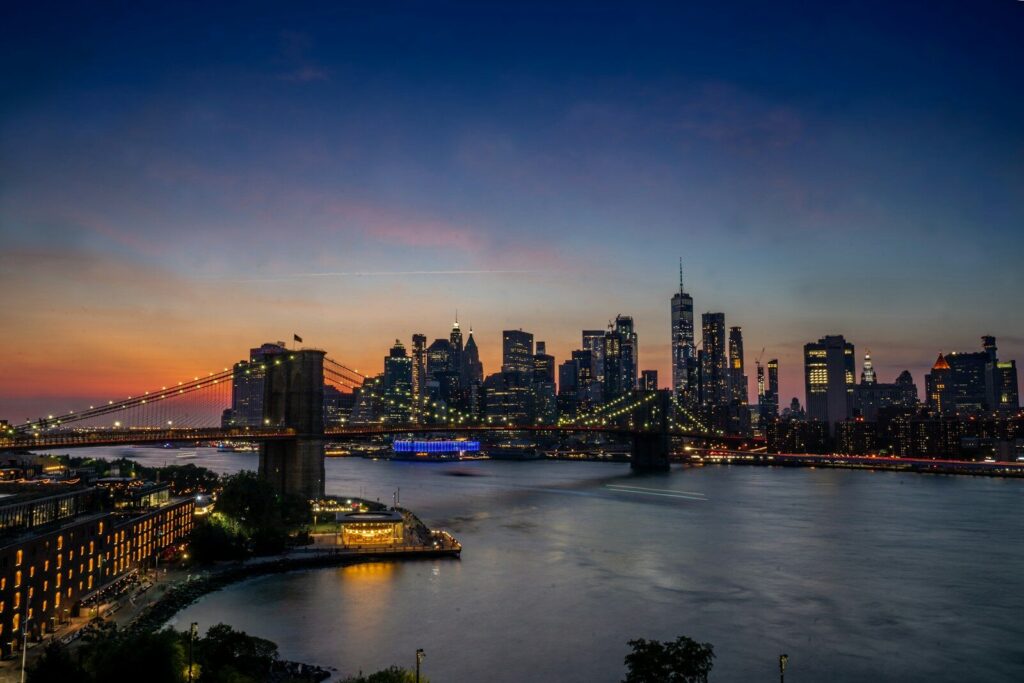



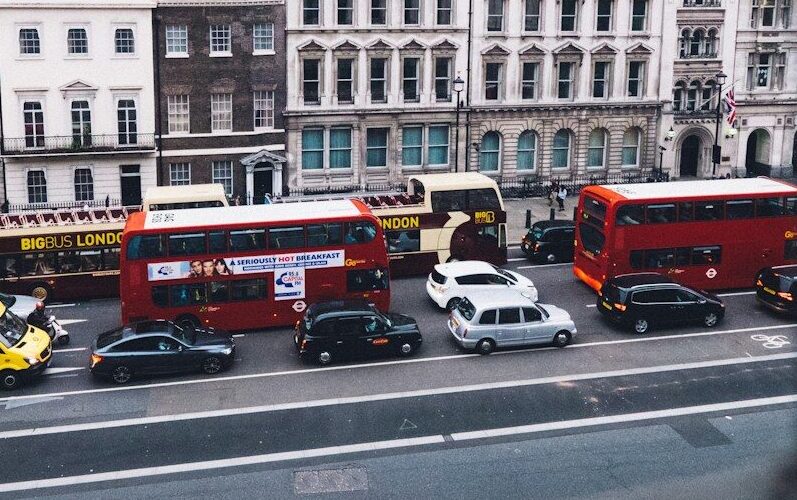
London has returned to illegal levels of nitrogen dioxide (NO₂) pollution, with the Greater London Urban Area among just three UK zones that failed to meet annual air quality limits in 2025.
The 2025 compliance assessment, published under the Air Quality Standards Regulations 2010, found that annual average NO₂ concentrations exceeded the legal limit of 40 µg/m³ in Greater London, Bristol and Glasgow. The other 40 UK assessment zones met the annual limit.
Despite these breaches, the report found no short-term episodes of elevated NO₂ pollution during 2025. All sites in the Automatic Urban and Rural Network (AURN) recorded daily concentrations within the ‘low’ pollution band for short-term exposure, and no public alert thresholds were breached.
However, the absence of short-term pollution spikes does not mean that annual pollution limits were met. Long-term exposure can remain a concern even when daily concentrations are relatively low.
Overall, the number of UK zones exceeding the annual NO₂ limit has fallen substantially, from 40 in 2008, when the limits were first introduced under EU air quality legislation, to just three in 2025. Breaches of the separate hourly limit have also declined, with no zones exceeding it since 2020.
Nitrogen oxide (NOx) pollution, which includes NO₂, has also fallen over recent decades. Average measured concentrations declined from an annual mean of 178 µg/m³ in 1990 to 26 µg/m³ in 2025. The report identifies the UK’s shift away from coal-fired energy production as one factor contributing to the reduction.
The report also highlights that some local authorities recorded annual NO₂ levels above the legal limit through their own monitoring programmes in 2025. These results are not included in the national compliance assessment because the monitoring sites do not necessarily meet the location requirements set out in the 2010 regulations, which are designed to ensure measurements represent general exposure to air pollution.
In response to the news, Zak Bond from Clean Cities said: ‘This shows the job isn’t done. London is teetering on the edge of legal compliance, but scraping under a weak legal limit cannot be the end goal. Legal levels of air pollution are still far above healthy levels set out by the World Health Organization. We need ambitious action to meet WHO guidelines and protect people’s health.
‘Diesel vans are a huge contributor to the harmful and now illegal levels of nitrogen dioxide that Londoners breathe every day. The Mayor, boroughs and businesses must work together to speed up the uptake of electric vans and cargo bikes. We’ve seen the Dutch drive this transition with zero emission zones for freight. It’s time London followed suit.’
Photo: Jay Wennington
Leave a Reply