



















People living in areas with higher levels of air pollution may face a significantly increased risk of developing glaucoma and cataracts, according to new research presented at the 44th Congress of the European Society of Cataract and Refractive Surgeons (ESCRS).
The findings suggest that exposure to fine particulate air pollution may be associated with up to a 70% higher likelihood of glaucoma compared with living in areas with the lowest pollution levels.
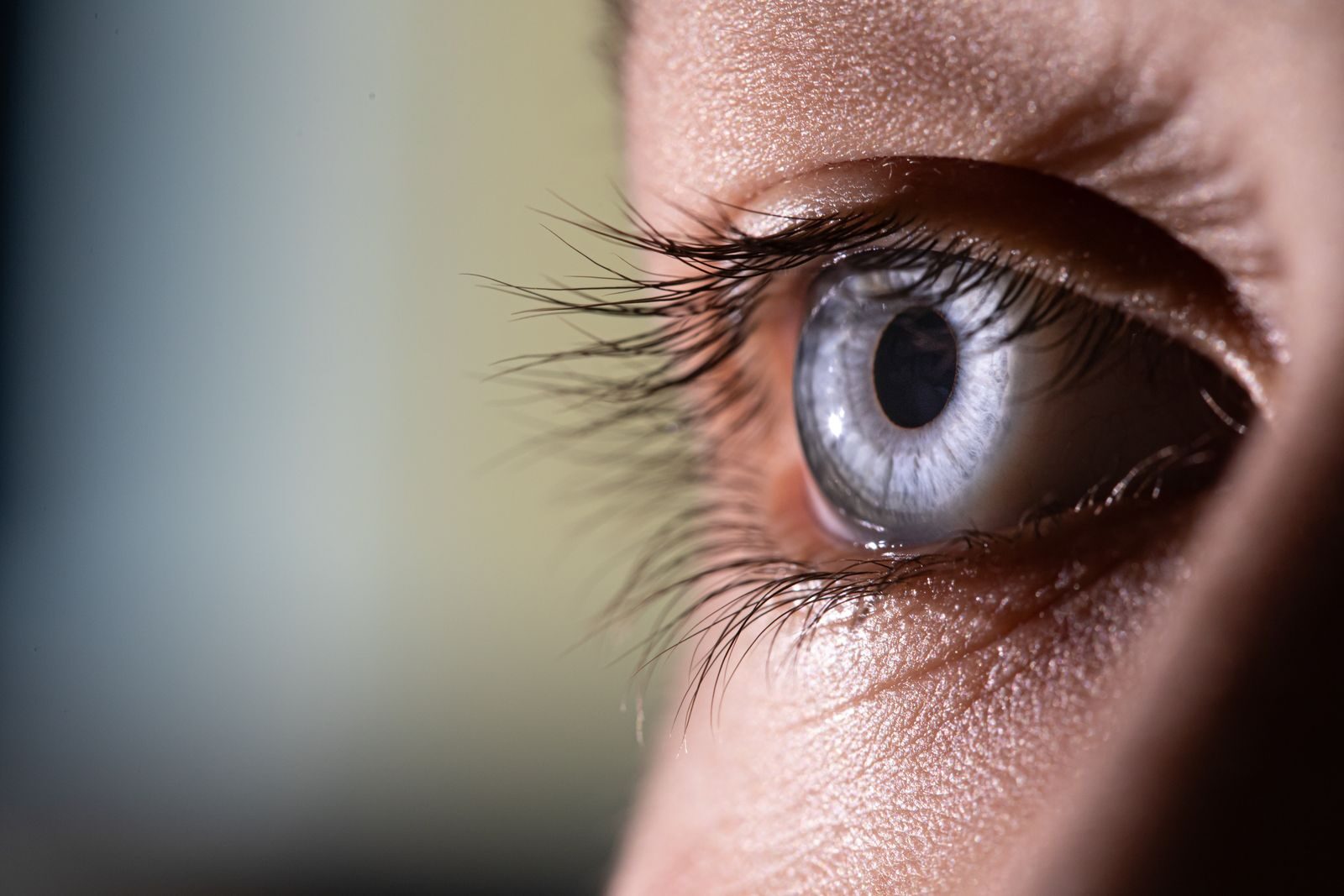
The research was presented by Dr Ahmed Alnabihi of King Khaled Eye Specialist Hospital and Research Center in Riyadh, Saudi Arabia, who said: ‘We’ve known for years that air pollution damages the lungs and heart, but its effects on the eyes have been much less studied and the existing evidence was scattered and inconclusive.
‘Every day, we see patients losing vision to conditions like glaucoma and cataract. These diseases are labelled as ‘age related’ as though aging is the only culprit, but that always felt incomplete to me. If something environmental is accelerating these conditions, that changes our thinking and suggests we could take action to reduce the risks.’
The research was a systematic review and meta-analysis, bringing together findings from 41 observational studies involving millions of people across East Asia and the UK.
Researchers examined exposure to several common air pollutants, including PM₂.₅, PM₁₀, nitrogen dioxide, sulphur dioxide, ozone and carbon monoxide.
They then compared pollution exposure with rates of glaucoma, cataracts and age-related macular degeneration.
The analysis found a clear association between higher levels of PM₂.₅ and glaucoma, with people living in the most polluted areas having up to 70% higher odds of developing glaucoma than those living in areas with the lowest levels of pollution.
The researchers also found a consistent association between greater air pollution exposure and cataracts, with the risk increasing as pollution levels rose.
Glaucoma is a group of eye diseases that can damage the optic nerve and lead to permanent vision loss, while cataracts cause clouding of the eye’s lens and are a major cause of impaired vision worldwide.
The researchers noted that the eyes are directly exposed to the surrounding environment, yet the effects of air pollution on eye health have received considerably less attention than its impact on cardiovascular and respiratory health.
Because the studies included in the analysis were observational, the findings show an association between pollution exposure and eye disease rather than proving that air pollution directly causes glaucoma or cataracts.
Nevertheless, the researchers say the results strengthen the case for measures aimed at reducing exposure to air pollution and improving air quality.
Dr Alnabihi said: ‘The clearest finding was for fine particulate matter – the tiny particles in smoke, vehicle exhaust and industrial pollution that are small enough to get deep into the body. For every meaningful step up in pollution exposure, the risk of glaucoma rose by around 8% per cent and cataract by around 4%. Other pollutants, including nitrogen dioxide and ozone, showed weaker or more mixed associations.
‘Fine particles are thought to cause inflammation and oxidative stress in the body. Over years of exposure, these effects may damage the optic nerve, which is relevant to glaucoma, or the lens, which is relevant to cataract. Unlike most other organs, the eye is directly open to the environment. The ocular surface – the tear film, conjunctiva and cornea – has no barrier between it and outdoor air. That makes the biological plausibility here stronger than for some other organs.’
Photo: Amel Uzunovic
Leave a Reply