











Local leaders have welcomed a government commitment to consider what should happen after areas meet legal air quality limits, amid concerns that compliance is being treated as the end of the road rather than a starting point for further improvements.
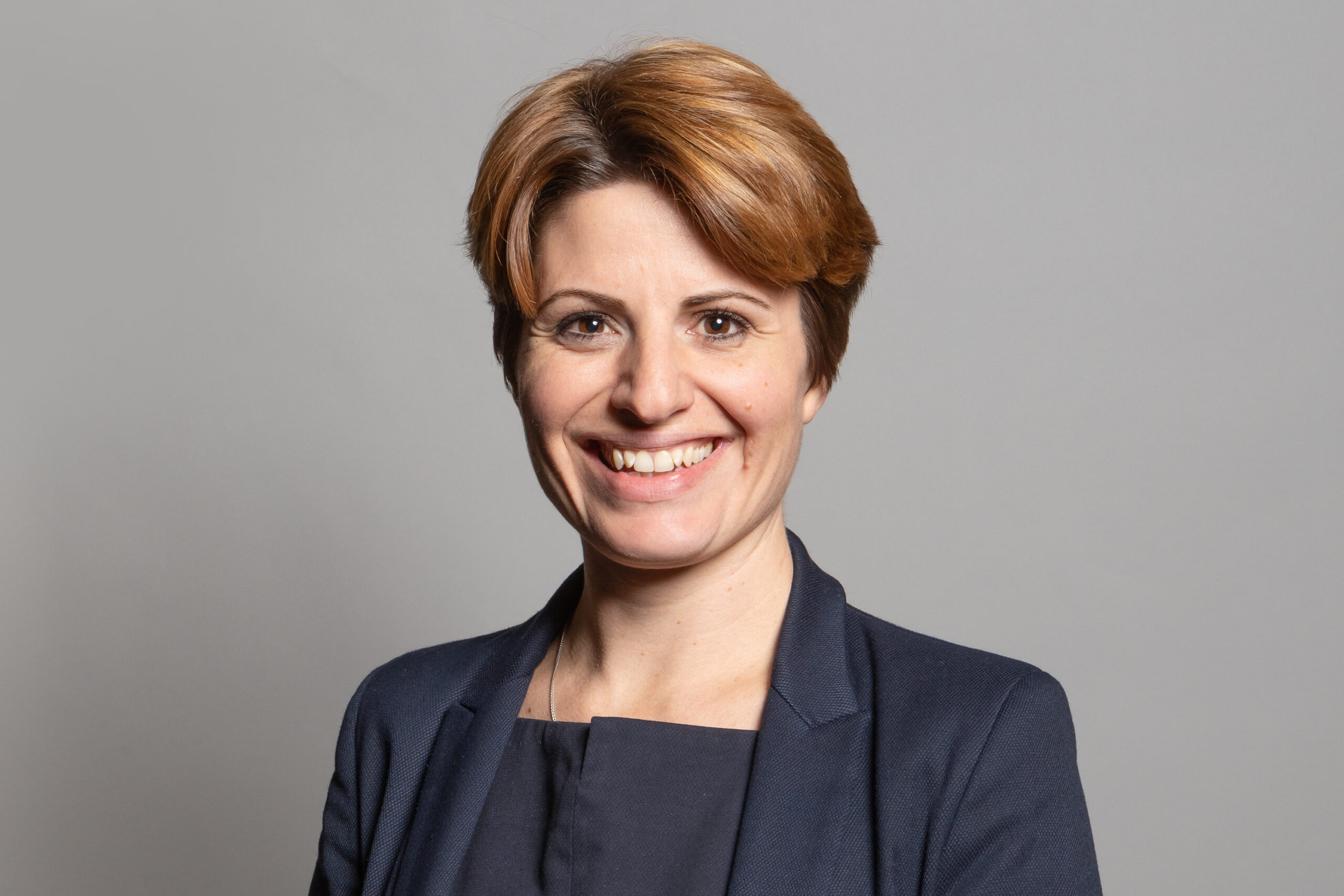
Air quality minister Emma Hardy MP told the Environmental Audit Committee on Monday that work on England’s next Air Quality Strategy will begin this year, ahead of its statutory 2028 deadline. The process will start with a call for evidence and will consider ‘what more could be done’ once areas have met existing targets.
Under the current system, Hardy said, once a local area reaches compliance ‘it is like, ‘Box ticked—done.’ She said the new strategy should instead consider: ‘How about continuous improvement, then? Okay, so you’ve met it, but what more could be done? What could we do next?’
The comments have been welcomed by UK100, the cross-party network of local leaders behind the Breathing Life report. The organisation has previously warned that meeting legal limits is being treated as a finish line rather than a minimum standard.
Since June 2025, the government has revoked eight air quality directions after local authorities achieved and maintained the legal nitrogen dioxide limit. The areas include Dudley, Sandwell, Solihull, Derby, South Gloucestershire, Wolverhampton, Southampton and authorities in the Blackwater Valley.
UK100 says that while these achievements should be recognised, there is currently no national framework or dedicated funding setting out what councils should do next.
Its research found that local action to improve air quality between 2019 and 2025 prevented almost 14,000 deaths and avoided around £15 billion in health and economic damage.
The issue was also raised repeatedly during Monday’s Environmental Audit Committee session. MPs called for a national framework setting out what support mayors and local authorities can expect, as well as resources to help them meet new responsibilities for population health.
UK100 is now calling on the government to maintain clean air as an outcome against which new strategic authorities are measured, provide funding to support their new health responsibilities, and establish a national framework for action after legal air quality limits have been met.
Christopher Hammond, chief executive of UK100, said: ‘The Minister has highlighted exactly the gap our members have been warning about, and we welcome her honesty. Compliance was never the finish line for the councils and mayors who have worked so hard so their communities can breathe more easily, and it should not be the finish line for the government either.
‘Starting the new clean air strategy now rather than in 2028 is the right call. Our asks of Minister Hardy and Defra are: (1) work with local leaders who have met their limits on what comes next, (2) put capability funding behind the health duty Parliament gave strategic authorities in April, and (3) work across departments to ensure clean air is protected in the framework mayors are measured against when the new devolution white paper lands. Local leaders have shown they can tackle dirty air. The new strategy should make it easier for them to keep going, not leave them to work it out alone.’
Cllr Sarah Warren, Deputy leader of Bath and North East Somerset Council said: ‘We brought in Bath’s Clean Air Zone in 2021 following a ministerial direction. We have seen great results, with nitrogen dioxide concentrations in the urban area being cut by more than 40% both within and outside the zone.
‘Cabinet recently adopted a new, whole district Clean Air Strategy, which surveyed the evidence on the impacts of pollution on health and concluded that there is no safe level. We are therefore ambitious to go further and faster in understanding and improving air quality for our residents.’
UK100’s Clean Air Network has written to Hardy offering to work with Defra on developing an approach to improving air quality after legal compliance has been achieved.
Photo: ©House of Commons
Leave a Reply